
What Is a Weekend Alcoholic? Signs Weekend Drinking Has Gone Too Far
Quick Answer: A weekend alcoholic c is a nonclinical term for someone who drinks little or nothing during the week but repeatedly binge drinks or loses control on weekends. Weekend

Quick Answer: A weekend alcoholic c is a nonclinical term for someone who drinks little or nothing during the week but repeatedly binge drinks or loses control on weekends. Weekend

Quick Answer: Drinking every night becomes a problem when alcohol stops being a choice. When the amount grows, when it feels necessary to relax or sleep, when going without it
Quick Answer: You may have a drinking problem if alcohol has become harder to control, you repeatedly drink more than intended, rely on it to cope, or continue despite its

Quick Answer: You may need rehab if alcohol or drug use has become difficult to control, keeps returning after attempts to stop, causes withdrawal symptoms, or continues despite affecting your
Quick Answer: Signs of alcoholism in women can include drinking more than intended, thinking about alcohol often, difficulty cutting back, hiding or minimizing use, withdrawal symptoms, and continuing to drink
Quick Answer: Symptoms of anxiety in women can include constant worry, racing thoughts, panic, chest tightness, nausea, muscle tension, sleep problems, irritability, avoidance, and feeling unable to relax. Anxiety becomes

Quick Answer: Battered women syndrome describes the trauma effects that can develop after repeated intimate partner abuse, including fear, isolation, shame, learned helplessness, trauma bonding, and difficulty leaving safely. While

Quick Answer: PTSD symptoms in women can include flashbacks, nightmares, avoidance, emotional numbness, shame, hypervigilance, sleep problems, irritability, panic, and feeling unsafe after trauma has ended. Women with PTSD may

Quick Answer: Can you be fired for going to rehab? Generally, no. You cannot be fired simply for going to rehab if you are eligible for protection and follow the
Quick Answer: An alcoholic mom is a mother whose drinking has become difficult to control or continues despite harm to her parenting, health, emotions, relationships, or safety. The clinical term

Quick Answer: A high-functioning alcoholic is a nonclinical term for someone who may have alcohol use disorder while still maintaining work, family, social, or daily responsibilities. Outward stability does not
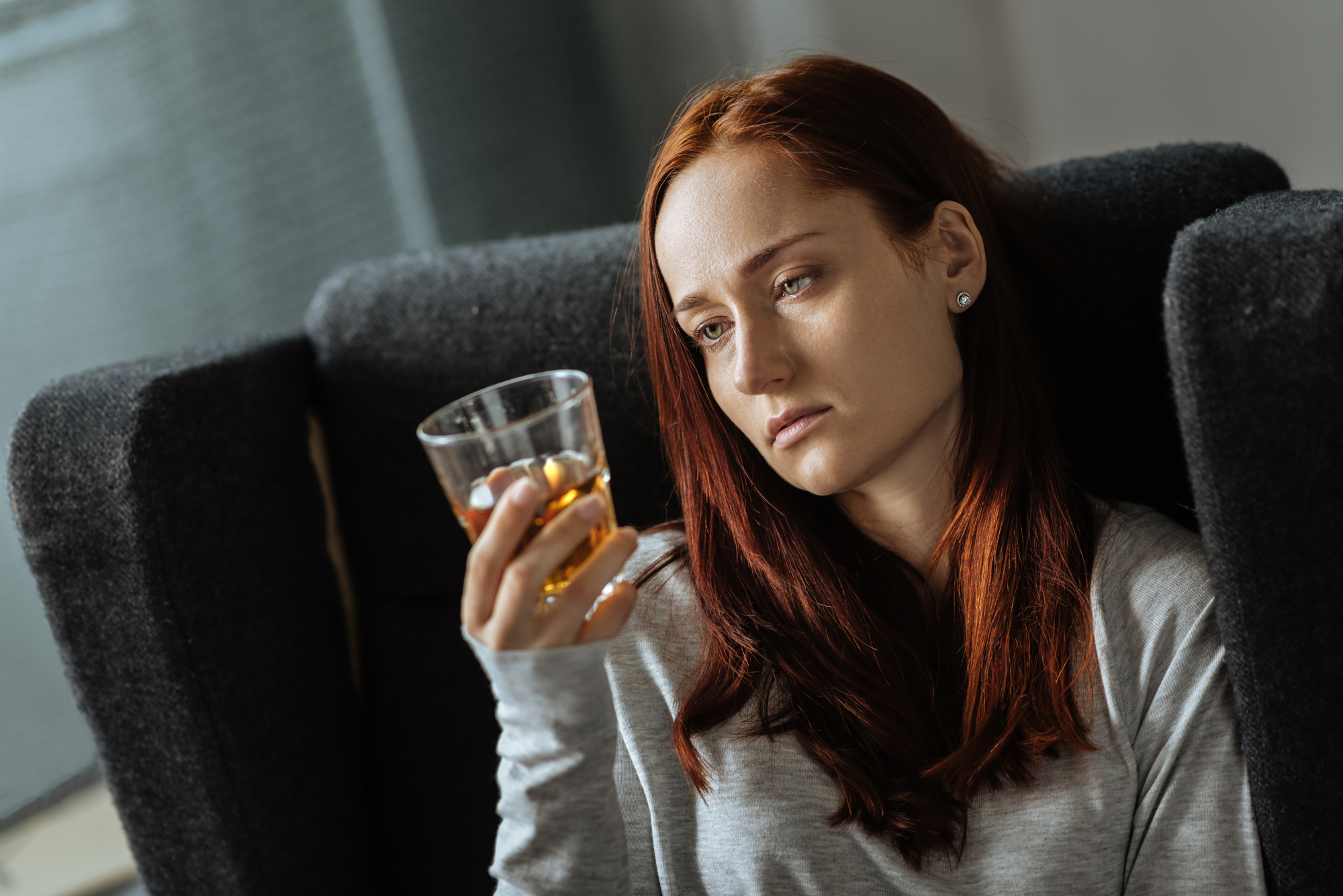
Quick Answer: If you are asking yourself, “Why can’t I stop drinking?”, it may be a sign of dependency or difficulty stopping drinking has developed into a physical, psychological, or
Quick Answer: If you are asking, “Am I an alcoholic?”, the key issue is whether alcohol has become difficult to control or continues despite harm. The clinical term is alcohol
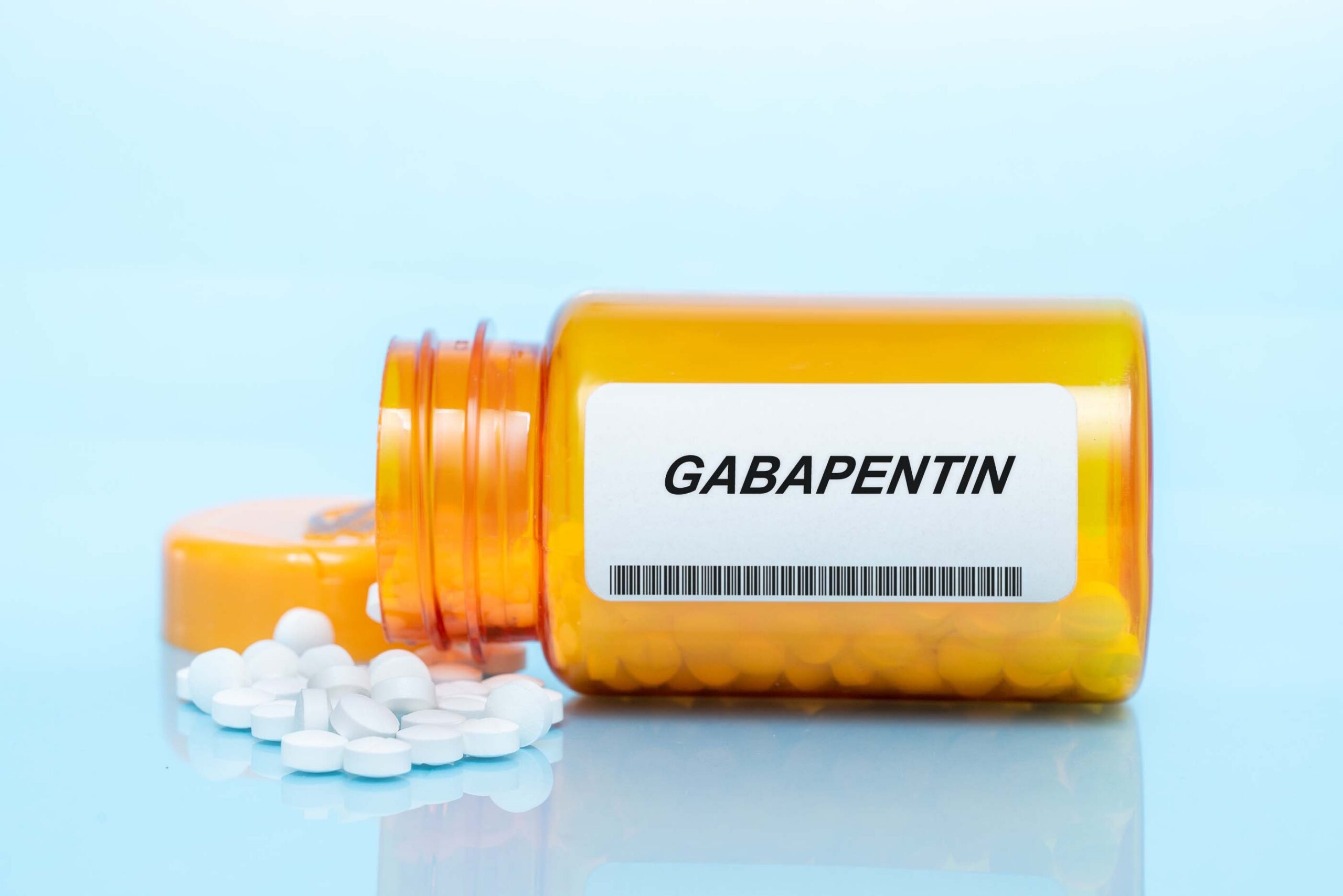
Quick Answer: Gabapentin is a prescription medication sometimes used to help manage mild to moderate alcohol withdrawal symptoms, including anxiety, sleep problems, and agitation. It works by calming activity in
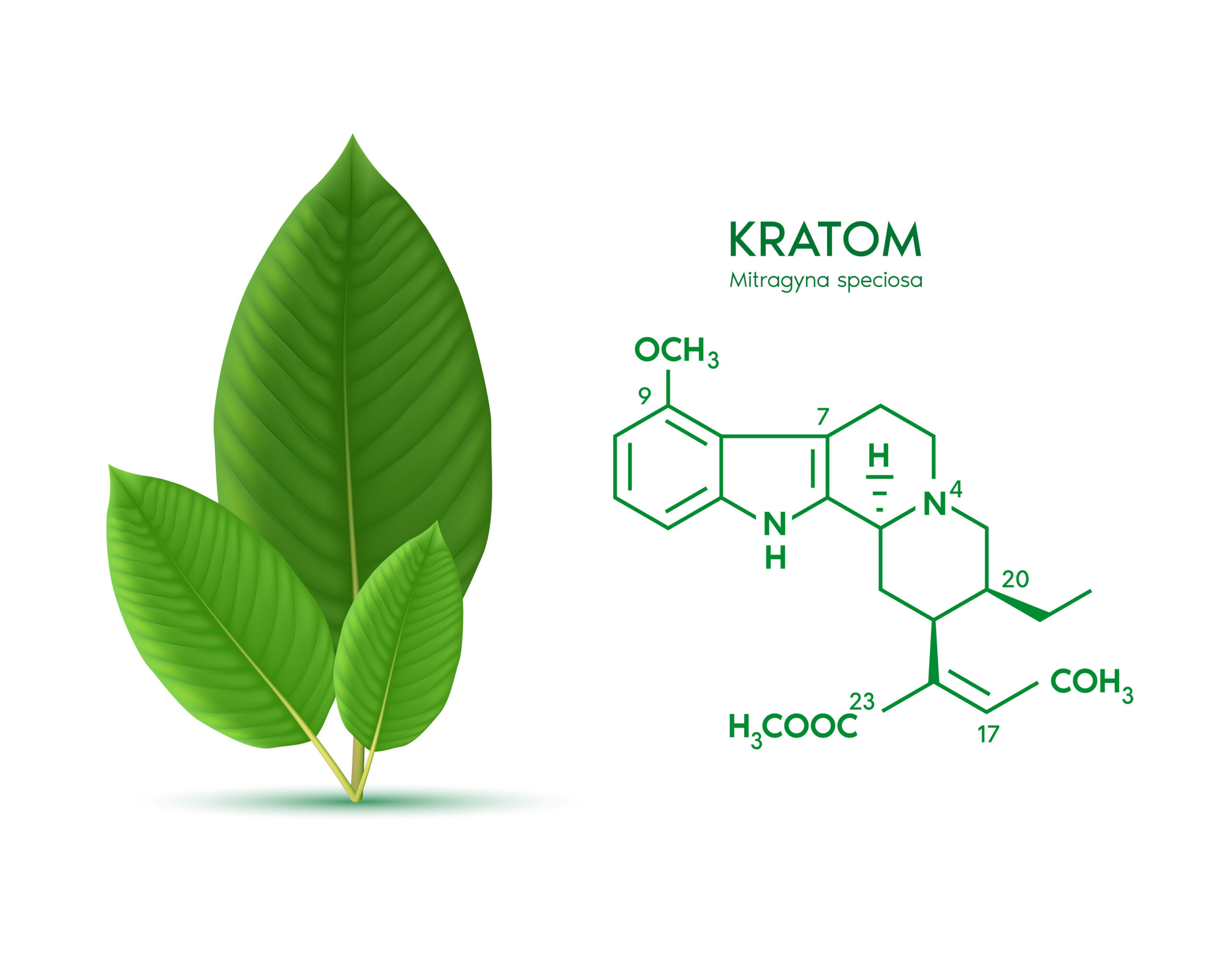
Quick Answer: Kratom is a plant-derived substance that can produce stimulant- or opioid-like effects depending on the dose, and regular use may lead to dependence, withdrawal, or other health risks.
Quick Answer: Disulfiram is a prescription medication for alcohol use disorder that helps support abstinence by causing a serious, unpleasant physical reaction if alcohol is consumed. Often known by the
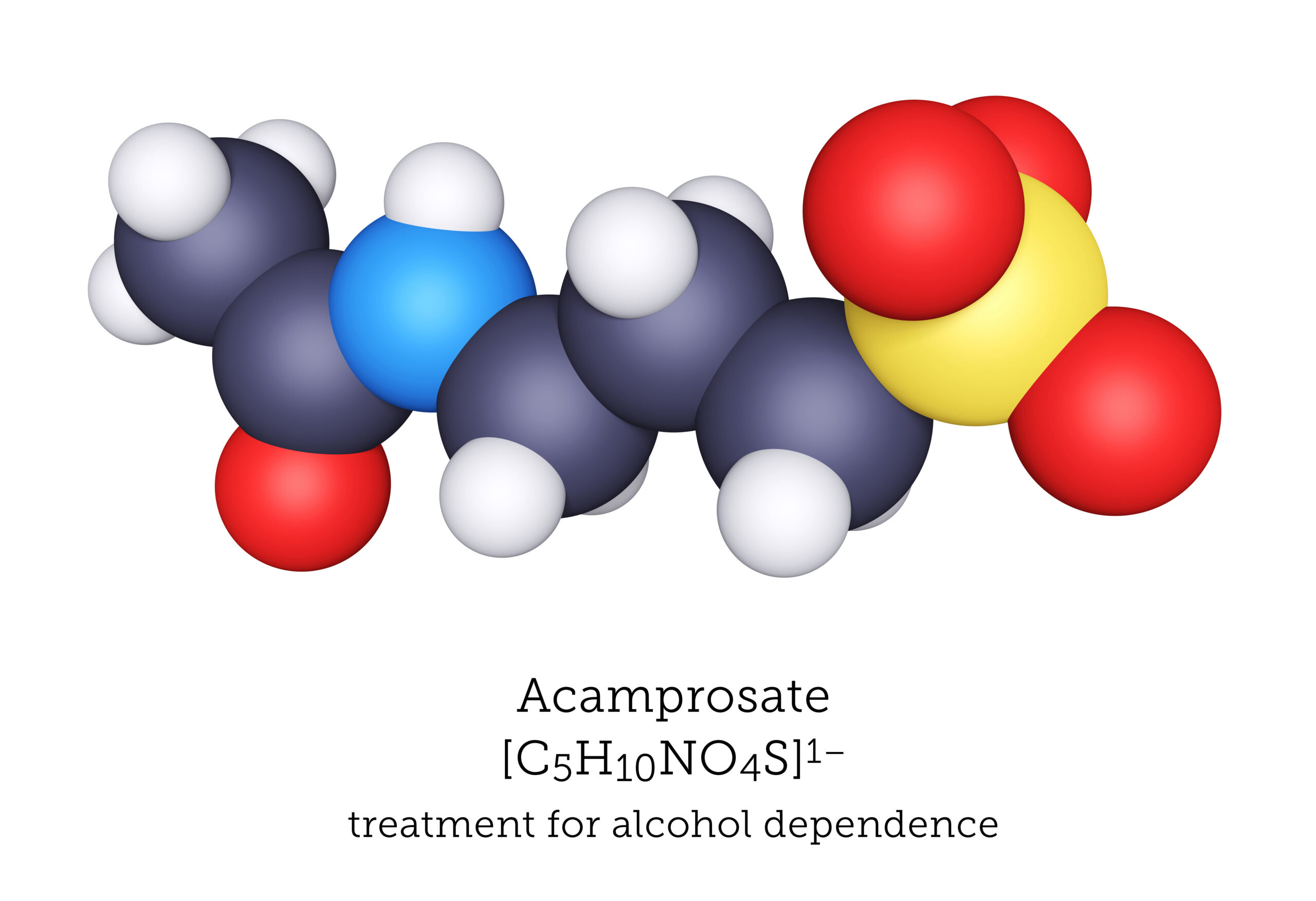
Quick Answer: Acamprosate is a prescription medication used to help people maintain abstinence after they have stopped drinking by calming the brain and nervous system. This can reduce the ongoing
Quick Answer: Naltrexone is a prescription medication used to treat alcohol use disorder and opioid use disorder by blocking receptors involved in reward and relief. It doesn’t cause a high

Quick Answer: When it comes to treating alcohol use disorder with medication, naltrexone may help reduce cravings by making drinking feel less rewarding, but it doesn’t treat withdrawal symptoms or

Quick Answer: Naltrexone works by blocking opioid receptors in the brain that alcohol and opioids activate to create reward and relief. When those receptors are blocked, substances feel less rewarding,
Quick Answer: Disulfiram can cause two types of side effects—those that occur on their own and those triggered by alcohol use. Most women notice mild baseline effects, such as fatigue,
Quick Answer: Common acamprosate side effects include diarrhea, nausea, and stomach discomfort, especially during the first few weeks of treatment. Some women may also experience sleep changes or increased anxiety
Quick Answer: Naltrexone side effects are usually mild and temporary for most women. The most common include nausea, fatigue, headache, and sleep changes, which tend to appear early and improve

Quick Answer: Kratom is currently legal in Texas at the state level. It’s not classified as a controlled substance, and there are no statewide bans on buying or possessing it.
Quick Answer: Naltrexone doesn’t treat alcohol withdrawal symptoms. Withdrawal is typically managed with medications like benzodiazepines that stabilize the nervous system under medical supervision. Naltrexone is used after detox to

Methadone can be a lifeline for people working to overcome opioid addiction, helping manage withdrawal and reduce cravings. But it’s also a potent medication with its own risks, which is
Librium is often introduced during moments of medical urgency, most commonly during alcohol withdrawal or acute anxiety, when the nervous system is under intense strain. In those early stages, the

Valium is a prescribed drug, and is usually taken long before it becomes a concern. For many women, it enters life during a demanding season marked by persistent anxiety, muscle
Klonopin (also referred to as clonazepam) is often prescribed as a way to steady anxiety and bring relief. For many women, clonazepam feels less like a disruption and more like

When a medication is prescribed during a period of anxiety, panic, or acute distress, it often arrives with relief and trust. Many women are given lorazepam (also known as Ativan)