
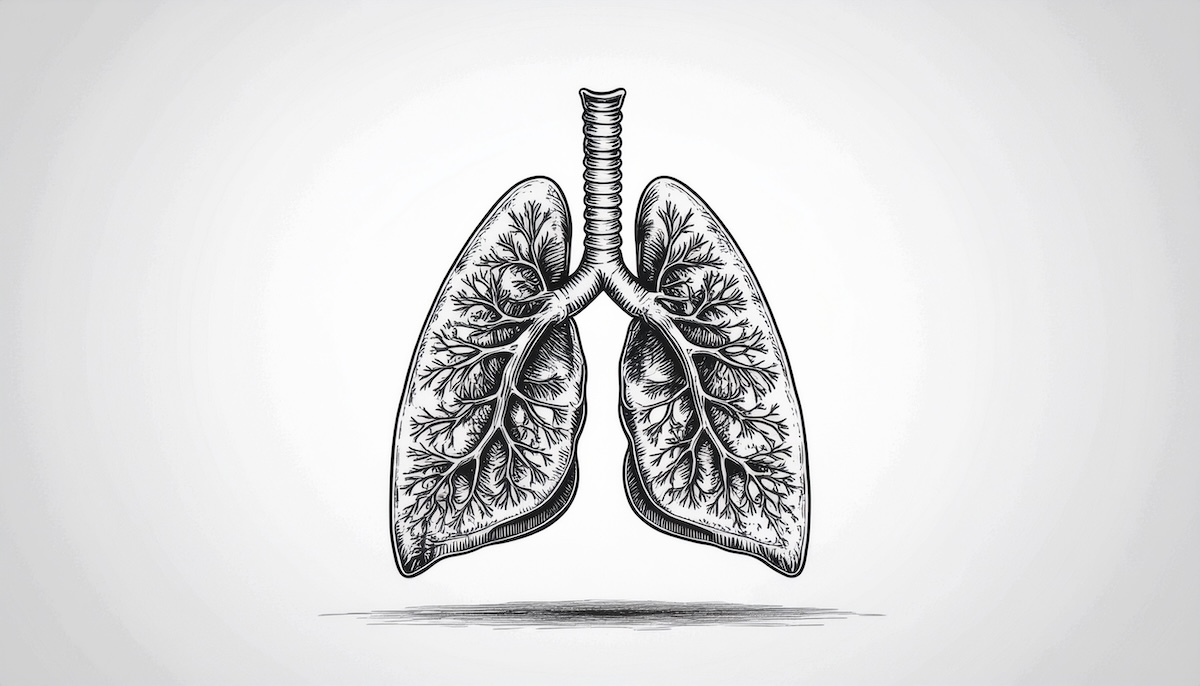
Inhalants–substances that are inhaled into the lungs–like whippets, poppers, and Galaxy Gas might sound like harmless party enhancers… but the truth is far from fun.
These substances deliver an instant high by starving your brain of oxygen, and that rush can quickly spiral into real damage.
Galaxy Gas side effects can include everything from dizziness and confusion to nerve and heart complications. For women, the risks can hit even harder, often leading to mental health struggles and addiction.
The effects come on fast, but so do the consequences. What starts as curiosity or social use can end with memory loss, mood swings, or worse.

Comprehensive Addiction Treatment Designed for Women
The Addictiveness of Whippets, Poppers, and Galaxy Gas in Women
Whippets, poppers, and Galaxy Gas are inhalants that produce a rapid, short-lived high. The sudden rush of euphoria triggers the brain’s reward system, causing users to crave the same sensation repeatedly. While seemingly harmless at first, the mind and body often rely on the stimulation, which can lead to popper, whippet, or Galaxy Gas addiction.
Women may be especially vulnerable to inhalant misuse when using these substances as a coping mechanism for stress, trauma, or anxiety. As tolerance builds, many women often seek larger amounts to achieve the same “high,” which significantly increases the risk of popper addiction or whippet addiction.
Whippets, Poppers, and Galaxy Gas Side Effects in Women
The side effects of poppers, whippets, or Galaxy Gas are real and should not be underestimated. Even occasional use of these inhalant drugs could carry serious health risks. These inhalants can disrupt the nervous system, heart, and lungs, resulting in both short-term and long-term adverse effects.
Short-term side effects may include:
- Dizziness and lightheadedness.
- Sudden drops in blood pressure.
- Nausea or vomiting.
- Loss of coordination and poor judgment.
- Headaches and blurred vision.
Long-term popper, whippet, or Galaxy Gas side effects can include:
- Permanent brain and nervous system damage.
- Memory loss and reduced concentration.
- Increased risk of heart problems.
- Respiratory complications from repeated inhalation.
- Vitamin deficiencies can cause nerve damage.
From whippet side effects to other inhalants, the health consequences of taking these substances can worsen quickly with frequent use, making early intervention essential.
Withdrawal Symptoms from Inhalant Addiction in Women
Many people believe inhalants are not addictive, but withdrawal from whippets, poppers, and Galaxy Gas can be challenging. Symptoms often arise within hours or days of stopping use and can be both physical and emotional.
Common withdrawal symptoms include:
- Intense cravings for the substance.
- Anxiety, irritability, and mood swings.
- Low energy and fatigue.
- Insomnia or restless sleep.
- Excessive sweating and rapid heartbeat.
For women, withdrawal can also intensify existing hormonal fluctuations and emotional stress. Without professional treatment, the risk is high.
Mental Health Effects of Whippets, Poppers, and Galaxy Gas in Women
When it comes to using Galaxy Gas, whippets, or poppers, mental health levels are always at risk. Prolonged use of these inhalants can worsen depression, anxiety, and mood disorders. Women who turn to these substances for temporary relief may find their symptoms grow more severe over time.
Moreover, inhalant use can impair cognitive function, decision-making, and emotional regulation. These changes in brain chemistry can make it harder to manage responsibilities, relationships, and overall well-being.

Getting Help for Whippets, Poppers, and Galaxy Gas Addiction at The Fullbrook Center
The Fullbrook Center is a Women’s addiction treatment center in Texas that understands how overwhelming it can feel to struggle with addiction. Our programs are designed specifically to support women through recovery from inhalant misuse, including whippets, poppers, and Galaxy Gas side effects or addiction.
We provide personalized, evidence-based treatment that addresses both substance use and the underlying emotional challenges that often accompany it. Our approach includes:
- Individual and group therapy.
- Trauma-informed care.
- Holistic healing practices.
- Ongoing mental health support.
If you or someone you love is struggling with inhalant addiction, help is available. The Fullbrook Center provides a safe and compassionate environment where women can heal, recover, and rebuild their lives.
FAQs About Whippets, Poppers, and Galaxy Gas Side Effects & Addiction in Women
How do whippets, poppers, and Galaxy Gas affect women differently from men?
Women often metabolize these substances faster, which can intensify their effects and lead to stronger crashes afterward. Emotional health challenges like anxiety and mood swings may also be more pronounced, increasing the risk of developing dependence over time.
Can using whippets, poppers, or Galaxy Gas harm fertility or pregnancy in women?
Yes. These substances can interfere with reproductive hormones, disrupt regular menstrual cycles, and, if used during pregnancy, pose serious risks to fetal development. Expectant mothers who misuse these products face a higher chance of complications.
Do women experience stronger mental health effects from whippets and poppers?
In many cases, yes. Whippets, poppers, and Galaxy Gas side effects include altered brain chemistry, which can worsen depression, anxiety, and emotional instability. Women often report feeling more intense mood changes and difficulty managing daily responsibilities when using these substances regularly.
How quickly can women develop dependence on whippets or Galaxy Gas?
Because the high from these substances is short-lived, it’s common for users to take repeated hits in a single session. This cycle can accelerate the brain’s reward response and intensify cravings. For some women, dependency can develop in just a few weeks of regular use.
What are the warning signs that a woman may be misusing whippets, poppers, or Galaxy Gas?
Common signs include frequent dizziness, unexplained mood swings, short-term memory problems, and avoiding social activities that don’t involve using these substances. You may also notice physical signs, such as constant fatigue, bloodshot eyes, or an unusual chemical odor on your clothing or breath.