
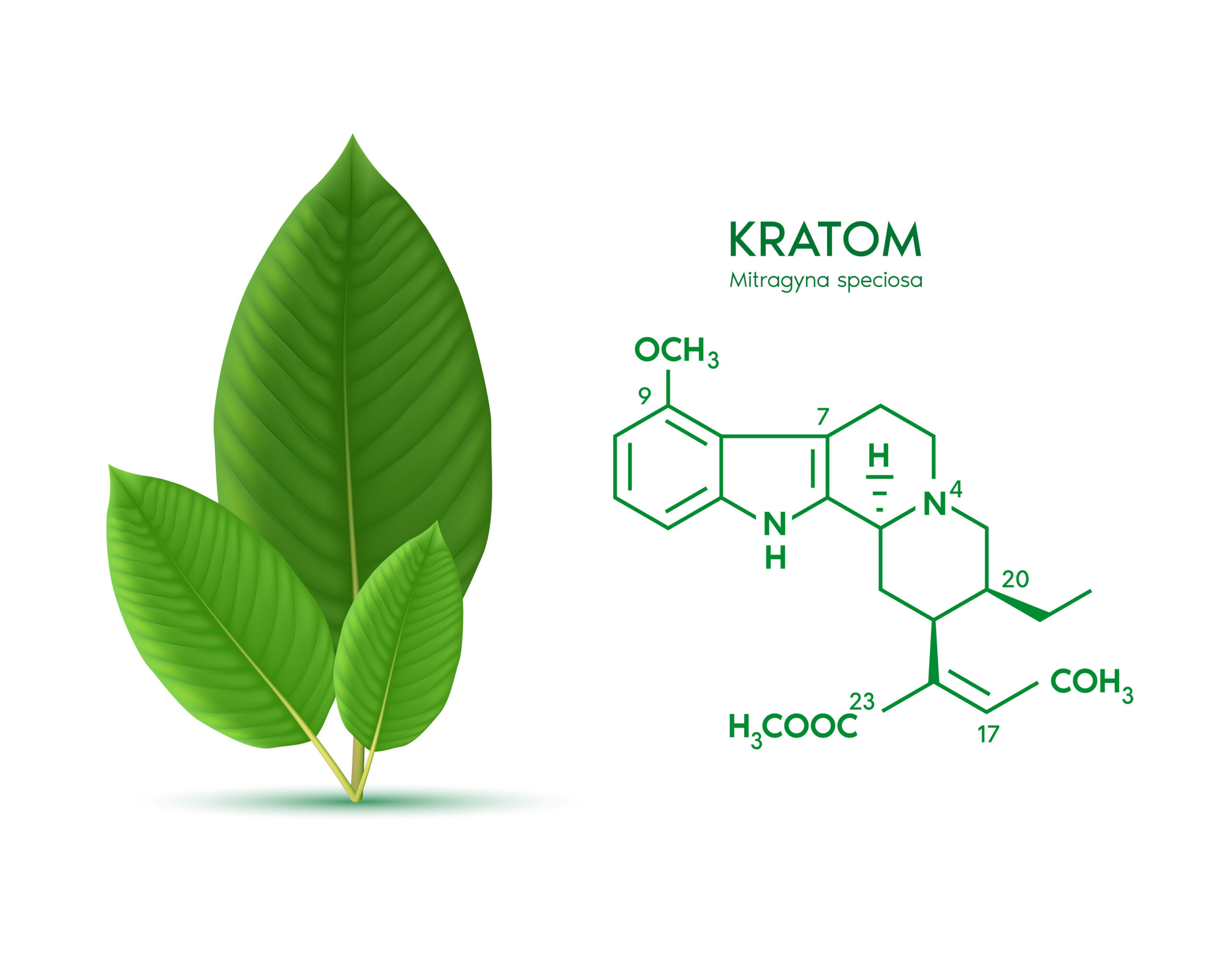
Quick Answer: Kratom is a plant-derived substance that can produce stimulant- or opioid-like effects depending on the dose, and regular use may lead to dependence, withdrawal, or other health risks. Made from the leaves of a Southeast Asian tree, kratom interacts with opioid receptors in the brain and is often used for pain relief, energy, or self-managed withdrawal symptoms. Although some people view it as a natural alternative to opioids, kratom use has been linked to addiction, side effects, and potentially dangerous drug interactions.

Comprehensive Addiction Treatment Designed for Women
What Is Kratom?
Kratom has gained attention in recent years because it is often marketed as a natural alternative for pain, energy, mood support, or withdrawal relief. For some women, it may initially feel more approachable than prescription medication or traditional treatment.
At the same time, kratom can be difficult to fully understand. Its effects can vary widely, products aren’t always consistent, and regular use may lead to dependence or kratom withdrawal for some people.
Where Kratom Comes from and Why People Use It
Kratom comes from the leaves of a tree originally grown in Southeast Asia. Today, it is sold in many forms, including powders, capsules, teas, gummies, and concentrated drinks or extracts. People may turn to kratom for different reasons, including pain, low energy, emotional distress, relaxation, or coping with withdrawal from other substances, even though kratom itself isn’t approved as a medical treatment.
People often begin using kratom while trying to manage something difficult, whether physical pain, emotional distress, exhaustion, or withdrawal from another substance. For some women, that first use may not feel like “substance abuse” at all. It may feel like trying to get through the day. A woman may be coping with chronic pain, grief, trauma symptoms, burnout, or opioid withdrawal while feeling uncertain about where to turn for support. She may not feel ready to talk to a doctor, or she may worry that her pain, mental health struggles, or substance use history will not be fully understood or believed.
How Kratom Works in the Brain and Body
Kratom affects some of the same areas of the brain that are involved in pain, mood, energy, and relief. Depending on the amount used, some people describe feeling more alert and energized, while others feel calmer, emotionally numb, or sedated.
This can be part of what makes kratom confusing. The effects don’t always feel predictable, and the experience can shift over time, especially as use becomes more frequent or the body starts relying on it to feel stable.
Another concern is that kratom products aren’t standardized. Two powders, capsules, or extracts may look nearly identical while containing very different strengths or concentrations. Some products are far more potent than people expect, increasing the risk of side effects, dependence, or dangerous reactions.
Health agencies have also raised concerns about serious problems linked to kratom use in some cases, especially when it is mixed with other substances. This is part of why it’s important to approach kratom carefully, even when it’s marketed as “natural” or “herbal.”
What Kratom Effects Can Feel Like
The effects of kratom can vary widely, from person to person or product to product. That variability is part of what makes it hard to predict. Some commonly reported effects include:
- Increased energy or alertness
- Temporary mood lift
- Relaxation or sedation
- Reduced pain perception
- Nausea or constipation
- Dizziness or drowsiness
- Sweating, itching, or dry mouth
- Confusion or impaired coordination
- Anxiety, agitation, or mood changes
More serious effects have also been reported, including changes in mood or thinking, physical health complications, and dangerous reactions when kratom is mixed with other substances. According to the National Institute on Drug Abuse (NIDA), deaths linked to kratom are uncommon and often involve additional drugs or medications, but the risks can still become serious, especially when use increases or substances are combined.
The emotional aspect of kratom use can be harder to name. If kratom begins as relief, it may slowly become something a woman feels she needs to function. She may notice she is planning around it, increasing the amount, hiding use, or feeling uneasy when she runs low. That shift can happen quietly, especially when the substance seems manageable at first.
Can Kratom Lead to Dependence or Withdrawal?
Yes, regular kratom use can lead to dependence for some people. Dependence means the body has adapted to the substance and may react when it is reduced or stopped.
For women with trauma histories, stopping a substance can feel especially vulnerable. The body may lose a coping tool before new supports are fully in place. Anxiety, sleep disruption, emotional intensity, or old memories may become louder. This is one reason compassionate clinical support matters.

When Kratom Use Becomes Concerning
Kratom use may become more concerning when it starts to affect your daily life, emotional stability, health, or safety.
Signs of possible kratom addiction or problematic use may include using more than intended, needing higher amounts to feel the same effect, feeling unable to cut back, using kratom to get through normal responsibilities, hiding use, or continuing use despite negative consequences.
A woman may also notice that kratom is no longer helping in the same way. What once felt like relief may begin to feel like a cycle: use, brief steadiness, discomfort, then use again.
This doesn’t mean she has failed. It means her body and nervous system may need more support than kratom can offer.
Why Medical Guidance Matters Before Stopping
Because kratom can affect the body in unpredictable ways, especially with frequent use or concentrated products, stopping suddenly may feel difficult for some people. Medical guidance can help reduce risk, especially if kratom is being used with alcohol, opioids, benzodiazepines, sleep medications, antidepressants, or other substances.
A clinician may help assess:
- How often kratom is being used
- Whether extracts or high-potency products are involved
- Other medications or substances in the picture
- Withdrawal symptoms or cravings
- Co-occurring anxiety, depression, trauma, or pain
- Whether detox, residential care, PHP, or IOP may be appropriate
There’s no need to feel ashamed if you’ve used kratom. You deserve care that is honest about the risks and gentle enough to help you talk openly about your current circumstances and your history.
Women’s Kratom Recovery Support at The Fullbrook Center
At The Fullbrook Center, substance abuse treatment is understood within the full context of a woman’s body, nervous system, trauma history, mental health, relationships, and daily life.
For some women, kratom use may be connected to pain. For others, it may be tied to anxiety, emotional exhaustion, opioid history, alcohol recovery, or a desire to feel steady without asking for help. Each story deserves careful attention.
Support at Fullbrook may include:
- Detox from substances
- Residential treatment in a women-only environment
- Trauma-informed therapy
- Dual diagnosis treatment
- PHP and IOP support as women continue building a structure
Our approach is grounded in safety, dignity, and whole-person healing. The goal isn’t to shame a woman for what she used to survive. We’re here to help her understand what she needs now.
You Deserve More Than Guesswork
Learning about kratom can bring up mixed feelings. There may be relief in finally having language for what has been happening. There may also be fear, especially if cutting back has already felt harder than expected.
Both responses make sense. Kratom use often begins with a need for relief, while kratom rehab offers a place where that need is met with safer, steadier support.
If you’re worried about kratom use for yourself or someone you love, you don’t have to sort through it alone. A confidential conversation can help you understand which level of care may be appropriate, what withdrawal support may be needed, and what healing can look like beyond simply stopping.
Start the conversation today with a simple phone call.
FAQ: What Is Kratom, & How Does It Work?
Is kratom legal in Texas?
Kratom laws vary by state and can change over time. In Texas, kratom is legal for adults, but state law includes restrictions related to age, labeling, and certain kratom products. Because regulations can shift, it’s wise to check current state guidance or speak with a qualified professional.
Can kratom cause a positive drug test?
Standard drug panels don’t always test for kratom, but specialized tests can detect mitragynine or related compounds. Testing policies vary by employer, treatment program, court system, and lab.
Is kratom safer than opioids?
Kratom is sometimes viewed as safer because it is plant-derived and easier to access, but it still interacts with opioid-related systems and may carry risks of dependence, withdrawal, and serious adverse effects. Just because it’s sold outside a pharmacy or considered to be a natural or herbal product doesn’t mean it should be considered safe.
Can kratom interact with antidepressants or anxiety medication?
Yes, kratom may interact with antidepressants, anxiety medications, and other substances that affect the brain or nervous system. Because kratom products vary widely and aren’t FDA-approved, it’s important to discuss all medications and supplements with a clinician before combining them.
How long does kratom stay in your system?
Kratom can remain in the body for several days, though the exact timeframe depends on factors such as dose, frequency of use, metabolism, and the type of product used. Specialized drug tests may detect kratom or its compounds for longer periods.