
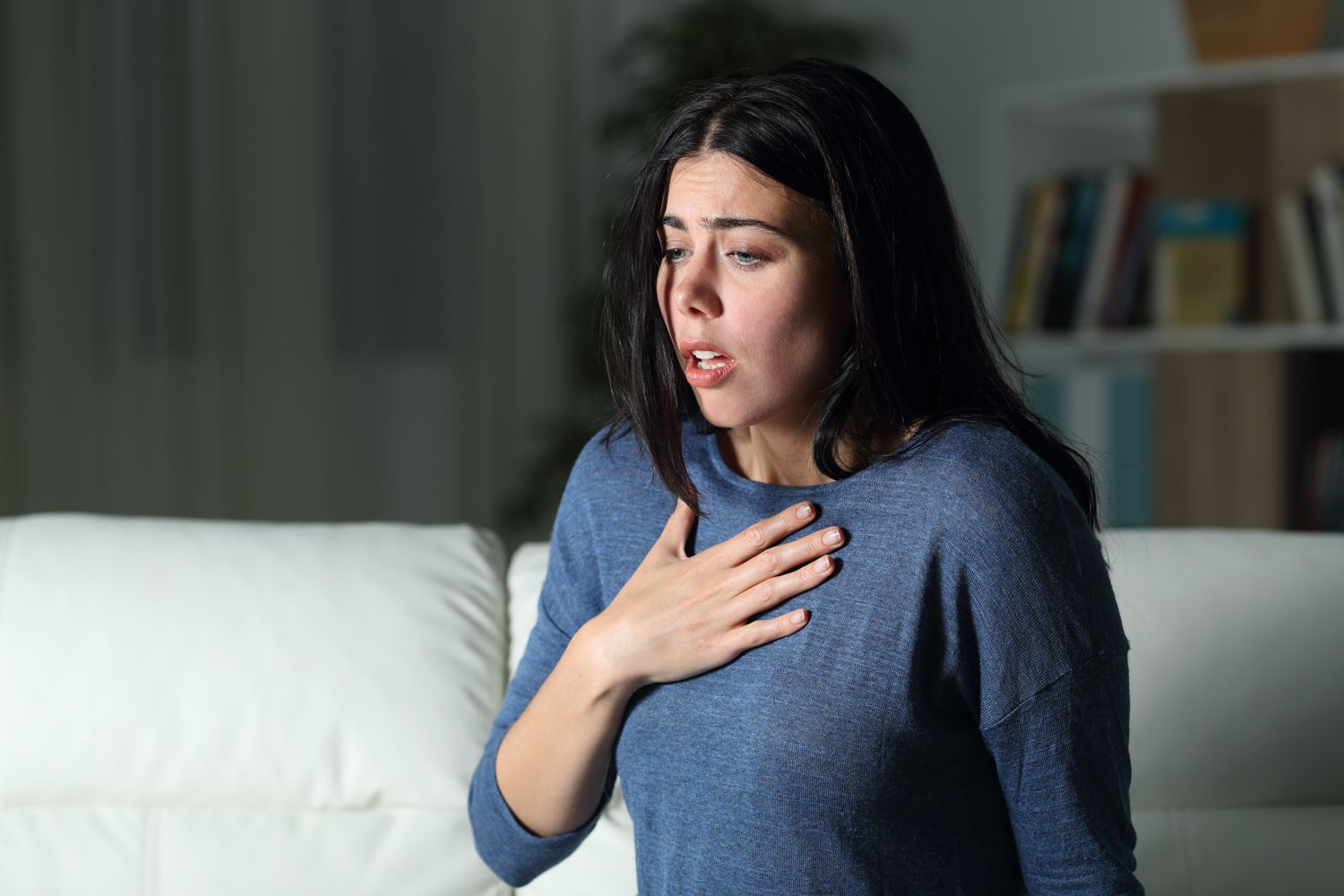
Quick Answer: Symptoms of anxiety in women can include constant worry, racing thoughts, panic, chest tightness, nausea, muscle tension, sleep problems, irritability, avoidance, and feeling unable to relax. Anxiety becomes more concerning when it interferes with relationships, work, parenting, safety, sleep, substance use, or daily functioning. Support can help women understand what is happening and find steadier ways to feel present and in control.

Comprehensive Addiction Treatment Designed for Women
What Are the Symptoms of Anxiety in Women?
The symptoms of anxiety in women can be emotional, physical, behavioral, and relational. Anxiety is more than everyday stress when worry or fear feels hard to control and begins to interfere with how you live, rest, connect, or make decisions.
Women are about twice as likely as men to have an anxiety disorder, partly because estrogen and progesterone can influence how the body’s fight or flight response activates and settles, and partly because of hormonal shifts across the menstrual cycle, pregnancy, postpartum, and menopause. Some women experience anxiety as racing thoughts or constant worry, while others feel it more in the body through chest tightness, stomach distress, headaches, trembling, or muscle tension.
Anxiety can also feel like a need to stay prepared for every possible problem. You may replay conversations, check on people repeatedly, avoid conflict, overthink small choices, or feel guilty when you rest.
Common signs of anxiety in women may include:
- Irritability
- Dread
- Guilt
- Overthinking
- Fear of disappointing others
- Difficulty trusting yourself
- Constant sense that something could go wrong
What Are the Physical Symptoms of Anxiety in Women?
Physical symptoms of anxiety in women can feel intense because anxiety activates the body’s threat response. Even when there is no immediate danger, your body may react as if something needs to be handled right away.
Common physical symptoms may include:
- Racing heart: Feeling your heart pound, flutter, or speed up.
- Chest tightness: Feeling pressure, heaviness, or discomfort in the chest.
- Shortness of breath: Feeling like you cannot get a full breath.
- Nausea or stomach upset: Feeling queasy, bloated, tense, or unable to eat normally.
- Muscle tension: Holding tightness in the jaw, neck, shoulders, back, or stomach.
- Sweating or trembling: Feeling shaky, hot, cold, clammy, or physically unsettled.
- Dizziness or lightheadedness: Feeling off balance, faint, or disconnected from your body.
- Sleep problems: Struggling to fall asleep, stay asleep, or wake rested.
- Fatigue: Feeling drained from being tense or alert for too long.
Chest pain, shortness of breath, fainting, or sudden severe symptoms should be taken seriously. If symptoms are new, intense, or feel medically concerning, it is safest to seek medical care to rule out urgent physical causes.
What Does High-Functioning Anxiety in Women Look Like?
High-functioning anxiety in women is not a formal diagnosis, but it is a phrase many women use when they seem capable on the outside while feeling anxious inside. This can make anxiety harder to notice because life may still look organized, productive, or successful.
A woman with high-functioning anxiety may be praised for being reliable, detail-oriented, thoughtful, prepared, or hardworking. Privately, she may feel tense, restless, afraid of mistakes, unable to rest, or worried that everything will fall apart if she slows down.
This kind of anxiety can become especially heavy for women who are caregivers, professionals, mothers, students, partners, or people others depend on. If functioning comes at the cost of peace, sleep, health, or emotional connection, support may help you find a different way to live.
What Are Anxiety Attack Symptoms in Women?
Anxiety attack symptoms in women can include intense fear, racing heart, shortness of breath, trembling, sweating, nausea, dizziness, chest discomfort, numbness, and feeling out of control. Many people use the phrase “anxiety attack,” while clinicians more often use “panic attack” when symptoms come on suddenly and peak intensely.
What sets a panic attack apart from the physical anxiety symptoms above is how suddenly it peaks and how overwhelming the fear feels, often including a fear of dying, losing control, or feeling detached from yourself or your surroundings. Research also finds women are more likely than men to experience breathing-related difficulties during panic attacks, which can make the episode feel even more frightening.
Panic symptoms can be distressing, even when they pass. If you are having recurring attacks or avoiding life because you fear another one, it may be time to speak with a mental health professional.
Can Trauma Make Anxiety Symptoms Worse?
Yes. Trauma can make anxiety symptoms feel stronger, more persistent, or harder to explain, because after harm, neglect, abuse, or loss, the body may stay alert for signs that something unsafe could happen again. This can look like everyday anxiety while the roots run deeper, which is one reason trauma-informed care matters so much for women. We cover this overlap more fully in our guide to PTSD symptoms in women.
Can Anxiety Lead to Alcohol or Drug Use?
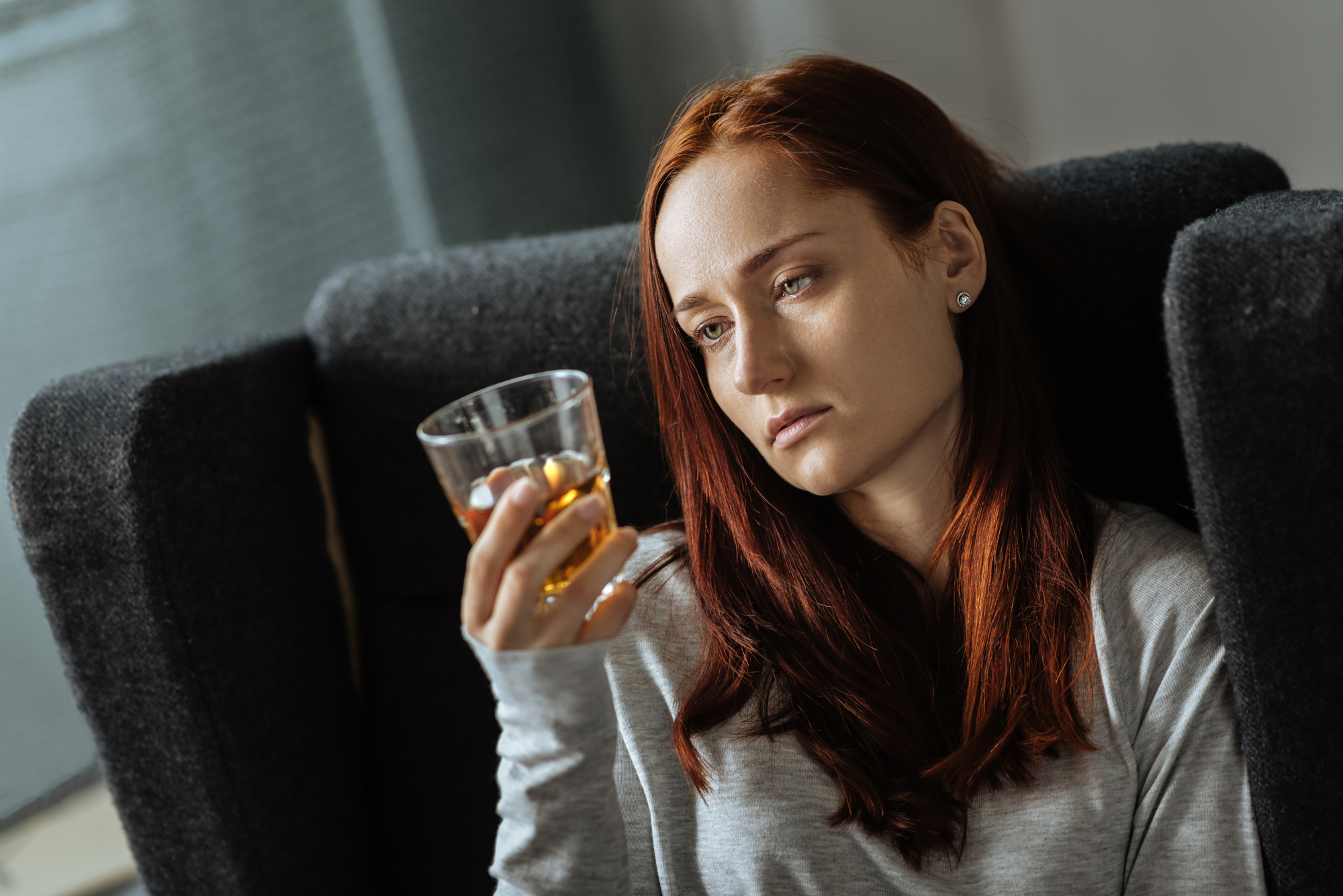
Anxiety can lead some women to use alcohol or drugs as a way to calm racing thoughts, fall asleep, feel social, numb panic, or soften emotional pain. At first, substances may feel like relief.
Over time, that relief can become harder to control. Alcohol or drugs may worsen sleep, increase anxiety between uses, intensify shame, or make it harder to cope without them. This is not about being reckless. It is often an attempt to quiet symptoms that feel too loud to manage on one’s own.
When anxiety and substance use are connected, both deserve care. Treating one while ignoring the other can leave the deeper cycle active.
When Should a Woman Seek Help For Anxiety?
A woman should consider seeking help for anxiety when symptoms interfere with daily life, relationships, work, parenting, sleep, safety, or the ability to feel present. Anxiety does not need to be constant or severe every day to deserve support.
It may be time to reach out if anxiety is causing avoidance, panic attacks, physical distress, sleep disruption, irritability, emotional shutdown, substance use, or a feeling that your life has become smaller.
You may also benefit from support if anxiety makes you feel trapped in overthinking, guilt, or fear of disappointing others. A professional can help you understand whether anxiety is connected to stress, trauma, depression, substance use, hormones, or another mental health concern. From there, care can become more specific and less overwhelming.
What Does Anxiety Treatment For Women Look Like?
Anxiety treatment for women often begins with understanding what anxiety is doing in your body, thoughts, relationships, and daily life. The right support depends on your symptoms, trauma history, substance use, medical needs, and level of distress.
Treatment may include individual therapy, trauma-informed care, coping skills, grounding practices, support for sleep, medication management when appropriate, and help addressing alcohol or drug use if substances have become part of coping.
For some women, anxiety treatment also involves learning how to recognize triggers, tolerate uncertainty, set boundaries, and respond to fear without letting it control every choice.
Healing is often gradual. The goal is not to become a person who never feels anxious. The goal is to build enough steadiness that anxiety no longer has to run your life.
What Does Anxiety and Trauma Treatment Look Like at Fullbrook?
The Fullbrook Center provides women-only, trauma-focused care for women who are navigating anxiety, addiction, trauma, and co-occurring mental health concerns. At Fullbrook, anxiety is not treated as a surface symptom disconnected from the rest of a woman’s life.
Treatment can help women explore how anxiety may be connected to trauma, substance use, depression, relationship patterns, shame, or the long habit of staying strong for everyone else.
Depending on each woman’s needs, care may include support through:
- Detox
- Residential treatment
- PHP
- IOP
- Dual diagnosis treatment
- Music, art, & equine therapy
- Breathwork, EMDR, Somatic Experiencing
What matters most is that care feels safe, respectful, and steady enough for honest healing to begin.
If anxiety has started to affect your sleep, relationships, substance use, or sense of self, Fullbrook can help you understand what support may look like. Contact us today, and together let’s begin seeking solutions for your renewal and restoration.
FAQs About Symptoms of Anxiety in Women
How do I know if it is anxiety or just stress?
Stress usually has a clear trigger and eases once the situation passes, while anxiety tends to linger, feel harder to control, and show up even when there is no obvious reason. If worry, dread, or physical tension are interfering with your sleep, relationships, or daily life for weeks at a time, it has likely moved beyond ordinary stress and is worth support.
Can anxiety cause chest pain or shortness of breath?
Yes. Anxiety can cause chest tightness, shortness of breath, a racing heart, dizziness, and trembling, especially during panic. However, chest pain or breathing trouble should be evaluated by a doctor if it is new, severe, or feels unsafe.
Can hormones make anxiety worse in women?
Yes. Shifts in estrogen and progesterone can intensify anxiety at predictable points, including the days before a period, pregnancy and postpartum, and the menopausal transition. This does not mean the anxiety is imagined or will pass on its own, and tracking when symptoms spike can help a provider tailor support.
Are anxiety attacks and panic attacks the same?
People often use “anxiety attack” to describe intense anxiety, but “panic attack” is the more clinical term for sudden episodes of intense fear with strong physical symptoms. Both can feel frightening, and recurring attacks may benefit from professional support.
Can anxiety be connected to trauma or substance use?
Yes. Anxiety can be connected to trauma, alcohol use, drug use, depression, or other mental health concerns. When anxiety and substance use overlap, integrated care can help address both the symptoms and what may be driving them.