
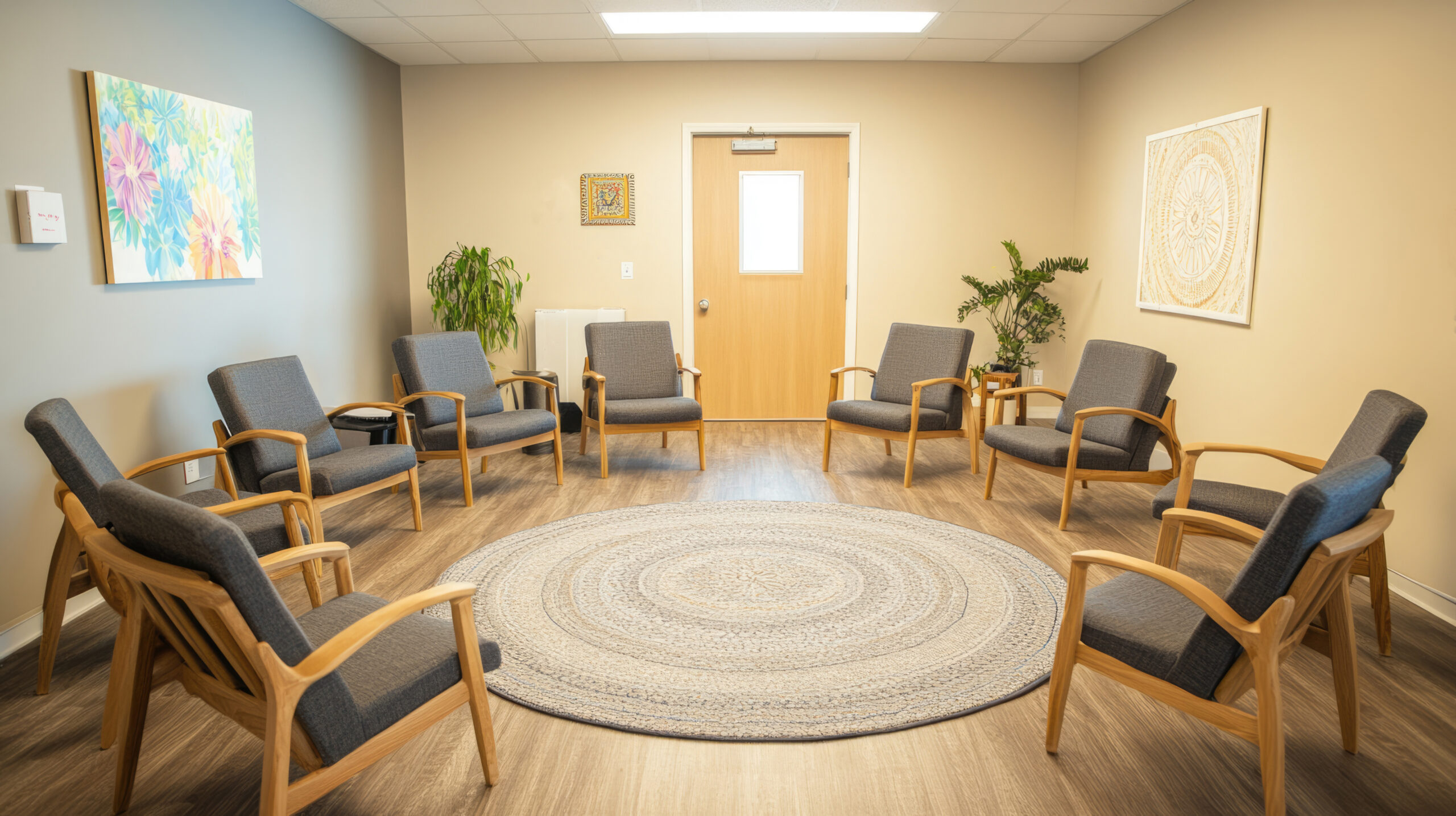
Working through how to pick a rehab center for your wife is often deeply personal—and also emotional. You may feel pressure to make a quick decision while still understanding what kind of care your wife needs. Whether your spouse is struggling with addiction, mental health issues, or both, choosing the right treatment center makes all the difference in her recovery. This guide walks you through how to pick a rehab center you feel good about, what to look for, and how to approach this process with compassion and clarity.

Comprehensive Addiction Treatment Designed for Women
Understand Her Unique Needs for Treatment
Before researching treatment centers, take time to understand what your wife is facing. Substance use and mental health conditions can vary in severity and type, so the treatment must be tailored to her situation. You will want to consider her mental health history, the use of any substances, her openness to treatment, and whether she would benefit from a women-only environment.
Women often face unique emotional, relational, and physical challenges in recovery. A women-focused center, like The Fullbrook Center, may offer a safer, more nurturing space designed around these specific needs. Discover more about our women’s addiction treatment center in Texas.
Consider a Program That Matches Her Personality and Values
Not every program is the right cultural or emotional fit as a rehab for your wife. Some people thrive in structured environments, while others need flexibility and creative therapy options. Knowing your spouse will help you decide the best type of setting. Would she prefer a clinical, hospital-like setting or a more home-like space? Does she connect better with holistic approaches (like yoga or meditation)? Would being surrounded by other women in recovery make her feel more comfortable?
Matching your wife with a place where she feels comfortable and emotionally safe can improve her willingness to engage in the process.

Prioritize Licensed and Accredited Rehab Centers
One of the most important factors is ensuring that the rehab facility is licensed and accredited by the appropriate state and national boards. Accreditation signals that the program follows high standards of care and safety. In Texas, trustworthy facilities should be licensed through the state and possibly certified by national organizations such as The Joint Commission or CARF.
You can also ask about staff qualifications—therapists, counselors, and medical professionals should all be properly credentialed.
Evaluate Available Levels of Care for Women
People benefit from different levels of support depending on the severity of their condition. Rehab options typically include detox from substances, residential or inpatient care, partial hospitalization (PHP), intensive outpatient (IOP), or outpatient therapy, including group or individual counseling.
At The Fullbrook Center, we offer structured levels of care that can meet your wife right where she is and adapt to her needs throughout recovery. Most people don’t intuitively know how to pick a good drug rehab. Let our team walk you through the best treatment option for your wife.
Check if Your Insurance Covers Women’s Rehab
Cost is often a major concern when looking for rehab programs. Fortunately, many treatment centers accept insurance. When calling a rehab center, you’ll want to know if they verify benefits before admission and understand what services are covered by your insurance and what out-of-pocket costs you can expect. You’ll also want to find out if the treatment center offers payment plans or options for financial assistance.
Having financial clarity from the start can ease some of the pressure during this difficult time.

Schedule a Tour or Speak With the Rehab Team
If you can, visit the rehab center or set up a call with the admissions staff. Ask specific questions about daily life at the facility, how they handle crises, what kind of support they offer spouses with a wife in rehab, and how long the program typically lasts.
Trust your instincts. A rehab center should treat your wife—and you—with care, respect, and honesty from the beginning.
Select a Center With Strong Aftercare and Long-Term Support
Recovery doesn’t end when treatment does. Look for programs that offer aftercare planning, alumni support, and relapse prevention strategies. This continued support can help your wife stay on track after leaving the structured environment of rehab.
The Fullbrook Center helps clients build a recovery plan that includes therapy, peer support, and community resources to encourage long-term healing.
Support Your Wife By Taking One Step
It can be overwhelming trying to find the “perfect” rehab for your wife. Remember, you don’t have to do everything alone. Take the first step by reaching out and asking questions. Every call you make brings you both closer to a better future. With the right care and support, healing is possible.
If you’re ready to explore personalized treatment options for your wife, contact The Fullbrook Center today. Our compassionate team is here to guide you through the process and answer any questions you may have.
FAQs About How To Pick a Rehab Center for Your Wife
What are the signs my wife needs drug or alcohol rehab?
Common signs include mood swings, secrecy about substance use, physical changes, and withdrawing from family or responsibilities. If these patterns continue, it may be time to consider rehab. We’ll help you understand how to pick a rehab facility for your spouse. Call our team today.
Can I participate in my wife’s addiction or mental health treatment?
Yes, many women’s rehab centers in Texas offer family therapy or education. Active involvement can improve outcomes and help rebuild trust during recovery.
How long does inpatient or outpatient rehab last for women?
Program lengths vary. Inpatient rehab often lasts 30 to 90 days, while outpatient programs may extend over several months. Treatment plans are personalized to each woman’s needs. If you’d like to understand which treatment option best meets your wife’s needs, contact us today.
Does insurance cover women’s rehab?
Most licensed rehab centers accept insurance. Coverage may vary by provider, so it’s important to verify benefits and understand any out-of-pocket costs before admission.
What can I do if my wife refuses to go to rehab?
If your wife is unwilling to seek help, consider speaking with an interventionist or addiction counselor. Gentle, consistent encouragement and education can make a difference in getting your spouse in rehab. If you’re wondering how to pick a rehab center, you’re not alone. We’ll walk you through that process.
Can you sign your wife into rehab against her will in Texas?
In Texas, involuntary commitment is possible in limited cases through a legal process. A court must determine that your wife poses a danger to herself or others due to substance use or mental illness. It’s best to consult a legal professional or mental health expert to understand your options.