
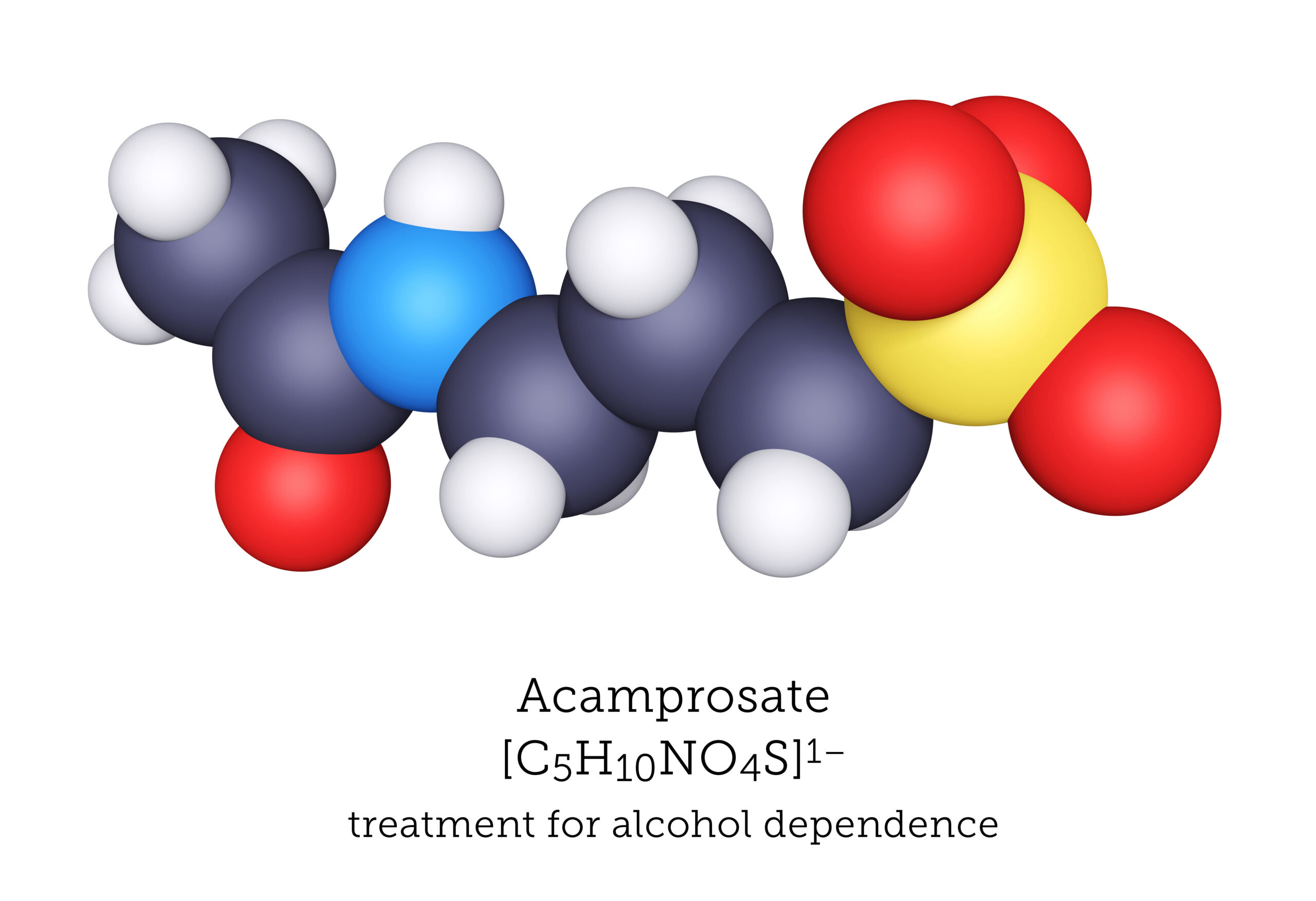
Quick Answer: Acamprosate is a prescription medication used to help people maintain abstinence after they have stopped drinking by calming the brain and nervous system. This can reduce the ongoing discomfort, restlessness, anxiety, and emotional unease that sometimes pull women back toward drinking after detox.

Comprehensive Addiction Treatment Designed for Women
What Is Acamprosate Used for?
Acamprosate, also known by the brand name Campral, is FDA-approved for the maintenance of abstinence in people with alcohol dependence who are already abstinent when treatment begins. In simpler terms, it’s used after someone has stopped drinking to help them stay alcohol-free.
It is not a detox medication. It doesn’t manage acute alcohol withdrawal symptoms, and it’s not typically the first step when someone is still physically dependent on alcohol. That part of care often requires medical supervision first, especially if withdrawal symptoms could become serious.
Instead, acamprosate is usually introduced once the initial withdrawal phase has passed and the focus shifts toward maintaining sobriety over time. The goal is not to “cure” alcohol dependence on its own, but to provide additional support during the early stages of recovery when cravings, emotional stress, and physical adjustment can make relapse more difficult.
How Acamprosate Works in the Brain
Alcohol affects several chemical systems in the brain, including systems connected to calm, reward, stress, and alertness. Over time, repeated alcohol use can push the brain to adapt to alcohol’s presence.
When alcohol is removed, the brain doesn’t immediately return to balance. Many people feel restless, emotionally sensitive, anxious, or unable to fully relax during early recovery. Acamprosate is believed to help stabilize some of the brain activity affected by long-term alcohol use, making that adjustment period feel more manageable for some women.
That is the simplest way to understand how acamprosate works: it helps support a more stable internal state after alcohol has disrupted the brain’s normal rhythms.
This doesn’t mean it completely erases cravings. It also doesn’t remove the emotional reasons a woman may have relied on alcohol. But it can soften some of the physical and neurological discomfort that makes early recovery feel harder than expected.
Why the Brain Can Feel Unsettled After Alcohol Stops
Alcohol can temporarily quiet emotional distress. For some women, it becomes a way to fall asleep, manage anxiety, soften trauma symptoms, or get through the end of a day that feels too heavy.
When drinking stops, the coping mechanism is gone, but your nervous system may still be carrying the same stress. This can feel like:
- Restlessness that is hard to explain
- Trouble sleeping even when exhausted
- Anxiety that seems to come in waves
- Irritability or emotional sensitivity
- A sense of being physically uncomfortable in your own body
- Cravings that feel connected to relief, not just alcohol itself
These experiences don’t mean someone is weak or doing recovery wrong. They often reflect the body’s effort to recalibrate.
Is Acamprosate Enough on Its Own for Recovery?
Understanding a medication also means understanding its limits. Acamprosate can be a meaningful tool, but it’s not a complete recovery plan on its own.
It does not:
- Treat acute alcohol withdrawal
- Make alcohol physically dangerous to drink
- Block the intoxicating effects of alcohol
- Create a high
- Replace therapy or emotional healing
- Resolve trauma, grief, shame, or relationship pain
- Remove all cravings immediately
This is why acamprosate for alcohol use disorder is usually most helpful when it is part of a larger treatment plan. Medication can support the brain, but recovery also asks for safety, structure, honesty, and care that reaches beneath the drinking itself.
For women with trauma histories, that distinction matters. A medication may help stabilize the nervous system, but it can’t teach self-trust, repair attachment wounds, or create the safety that trauma often interrupts. Those parts of healing usually happen within relationships with clinicians, peers, and a treatment environment that understands the full picture.

How Acamprosate Is Different from Naltrexone or Disulfiram
Many women compare medications before deciding what feels right. Comparing these medications can also make it easier to understand how acamprosate works differently from medications focused on cravings or alcohol deterrence, as long as it is done with medical guidance.
Acamprosate, naltrexone, and disulfiram are all used in alcohol recovery, but they work in different ways.
Acamprosate, or Campral
Acamprosate is primarily used to help people maintain abstinence after they have already stopped drinking. Rather than making alcohol unpleasant or blocking intoxication, it is thought to support the brain and nervous system as they adjust to the absence of alcohol after long-term use.
Naltrexone
Naltrexone is commonly used to help reduce alcohol cravings and decrease the rewarding effects associated with drinking. It works by blocking certain opioid receptors connected to pleasure and reinforcement, which may make alcohol feel less satisfying for some people.
Disulfiram, or Antabuse
Disulfiram, also known by the brand name Antabuse, is designed to discourage alcohol use by creating a strong physical reaction if alcohol is consumed while taking the medication. Even small amounts of alcohol can trigger symptoms such as nausea, flushing, vomiting, chest discomfort, or rapid heartbeat.
None of these medications is universally better. The right option depends on your medical history, goals, liver and kidney health, co-occurring mental health concerns, trauma history, and what type of support is available.
How Do You Know if Acamprosate Is Right for You?
Acamprosate may be considered for women who have already stopped drinking and want support in maintaining abstinence. It may also be considered when liver health is a concern because acamprosate is not metabolized by the liver and is primarily excreted by the kidneys.
A clinician may look at the following:
- Whether alcohol detox has been completed
- Current kidney function
- Pregnancy or breastfeeding status
- Current medications
- Co-occurring anxiety, depression, trauma, or other mental health concerns
- Whether three-times-daily dosing feels realistic
- The woman’s recovery goals and level of support
Acamprosate is contraindicated in severe renal impairment, and reduced dosing is recommended for moderate renal impairment. Kidney function should be evaluated before starting.
This is one reason medication decisions should feel collaborative rather than rushed. A woman deserves to understand not only what a medication can do, but also what needs to be checked before it is started.
How The Fullbrook Center Supports Women Considering Alcohol Recovery Options
At The Fullbrook Center, medication questions are understood as one part of a much larger recovery conversation. Women may arrive with questions about acamprosate, naltrexone, disulfiram, anxiety, trauma, sleep, cravings, or what kind of support feels safe enough to begin. Those questions can be explored with care, while medication decisions should be made with a qualified medical provider.
We provide women-only addiction treatment with a trauma-informed approach that looks beyond alcohol use alone. Residential treatment is available in Fredericksburg, while PHP and IOP programs operate in Kerrville for women who need structured support at different stages of recovery.
Care may include:
- Residential treatment in Fredericksburg
- PHP and IOP support in Kerrville
- Trauma-informed therapy
- Mental health and emotional recovery support
- Whole-woman care that considers the body, mind, relationships, and nervous system
- Guidance for women and families who are unsure what level of care may be appropriate
This approach matters because alcohol recovery is rarely just about removing alcohol. For many women, healing also means understanding the anxiety, trauma, grief, stress, or emotional patterns that may have shaped their relationship with drinking.
Understanding the Medication Can Make the Next Step Feel Less Overwhelming
Learning about Campral doesn’t mean you have to decide everything today. It simply gives you more language for what your body may need as alcohol leaves your system and recovery begins to take shape.
Acamprosate may help stabilize the brain after drinking stops. It may reduce some of the discomfort that makes abstinence feel fragile. But the medication works best when it’s paired with medical, emotional, and relational support.
You don’t have to know whether acamprosate is right for you before reaching out. You only need enough willingness to ask the next honest question.
If you’re exploring alcohol recovery options for yourself or someone you love, we can help you understand what care may look like without pressure or judgment. Call us today.
FAQs: What Is Acamprosate Used for?
Will acamprosate show up on a drug test?
Acamprosate isn’t typically included in standard drug tests because it’s not a controlled substance. If needed, you can inform the testing provider that you’re taking a prescribed medication.
What should I do if I miss a dose of acamprosate?
Follow your clinician’s instructions. In many cases, people are advised not to double the next dose, but guidance can vary depending on their treatment plan.
Can acamprosate be taken with antidepressants or anxiety medication?
Acamprosate doesn’t have many known significant drug interactions, but your prescriber should review all medications and supplements you take before starting treatment.
Does acamprosate cause weight gain or weight loss?
Weight changes aren’t usually a primary side effect of acamprosate, though some people may notice changes in appetite or digestion during treatment.
Can family members ask about acamprosate for a loved one?
Yes, treatment providers can often offer general education about alcohol recovery medications, even if they cannot share private medical information without consent.