

Quick Answer: A weekend alcoholic c is a nonclinical term for someone who drinks little or nothing during the week but repeatedly binge drinks or loses control on weekends. Weekend drinking becomes a problem when you regularly drink more than intended, experience blackouts, lose days to recovery, or continue despite consequences. Binge drinking raises blood alcohol concentration to 0.08 percent or higher, which for women typically means four or more drinks in about two hours.

Comprehensive Addiction Treatment Designed for Women
Can You Have a Drinking Problem if You Only Drink On Weekends?
Yes. Staying sober during the week does not cancel repeated loss of control or harm on weekends. “Weekend alcoholic” is an informal phrase used to describe someone who drinks little or not at all during the week but repeatedly drinks heavily, binge drinks, or struggles to control alcohol on weekends. It is not a clinical diagnosis.
Clinicians use the term “alcohol use disorder” when alcohol becomes difficult to stop or control despite effects on health, relationships, work, or other parts of life.
Many women use sober weekdays as evidence that drinking is manageable. You may tell yourself that the pattern cannot be serious because you do not drink before work, keep alcohol out of weekday routines, or complete everything that needs to be done.
Work, parenting, appointments, caregiving, and other responsibilities may create firm limits during the week. Once those limits lift, it might be more difficult to only drink on weekends and retain control of consumption.
Blackouts and binge-level intoxication depend heavily on how much and how quickly you drink rather than the number of days each week that you drink. A woman who is completely sober from Monday through Thursday can still reach dangerous levels of intoxication over the weekend.
When Does Weekend Drinking Become Binge Drinking?
Weekend drinking becomes binge drinking when enough alcohol is consumed in a short period to raise blood alcohol concentration to 0.08 percent or higher, which is the general legal driving limit for adult drivers in the United States.
For a typical adult woman, that usually means four or more drinks within about two hours. Body size, food intake, drinking speed, medications, and other individual factors can affect how quickly someone reaches that level.
A large restaurant cocktail may contain more than one standard drink. A generously poured glass of wine can contain two servings. Refilling a glass without measuring can make it difficult to know how much alcohol was consumed, which means many women cross that threshold on a night they would describe as three or four drinks.
This pattern can increase the risk of blackouts, alcohol poisoning, injuries, unsafe decisions, and other health consequences. It also tends to escalate. You may begin drinking earlier, stay out later, add drinks before an event, or need more alcohol to create the same effect.
What Are the Signs Weekend Drinking Has Gone Too Far?
Weekend drinking may have gone too far when alcohol begins shaping your plans, choices, recovery time, or emotional well-being.
Signs worth taking seriously include:
- Drinking more than intended: A plan for one or two drinks regularly becomes a full night of drinking
- Planning around alcohol: Restaurants, events, friendships, or weekends are chosen mainly around access to drinking
- Losing control after starting: Stopping feels much harder once the first drink is finished
- Experiencing memory gaps: Parts of the night are missing or must be reconstructed through messages, photos, or other people
- Losing days to recovery: Saturday or Sunday is spent sleeping, feeling sick, canceling plans, or waiting to feel normal
- Feeling anxiety or regret afterward: The weekend ends with dread, shame, sadness, or worry about what happened
- Breaking promises to yourself: Attempts to drink less, stop earlier, or take a weekend off do not last
- Continuing despite consequences: Drinking continues after arguments, health concerns, missed responsibilities, unsafe choices, or repeated emotional distress
What Is Weekend Drinking Taking From Sunday and Monday?
Sunday may become a recovery day rather than a time for rest, family, hobbies, errands, or connection. You may feel physically sick, emotionally low, unable to focus, or too tired to follow through on plans.
That anxiety has a name: hangxiety, and a mechanism behind it. Alcohol may feel calming while you are drinking, then contribute to anxiety, restlessness, low mood, or emotional sensitivity as its effects wear off.
You may replay conversations and worry that you embarrassed yourself. You may avoid messages because you are afraid of what someone will say. You may feel guilty about time lost with people who matter to you.
The effects can follow you into Monday through poor sleep, fatigue, difficulty concentrating, irritability, or a sense that you are beginning the week already behind. When every weekend requires recovery, alcohol may be taking more from your life than the drinking hours suggest.
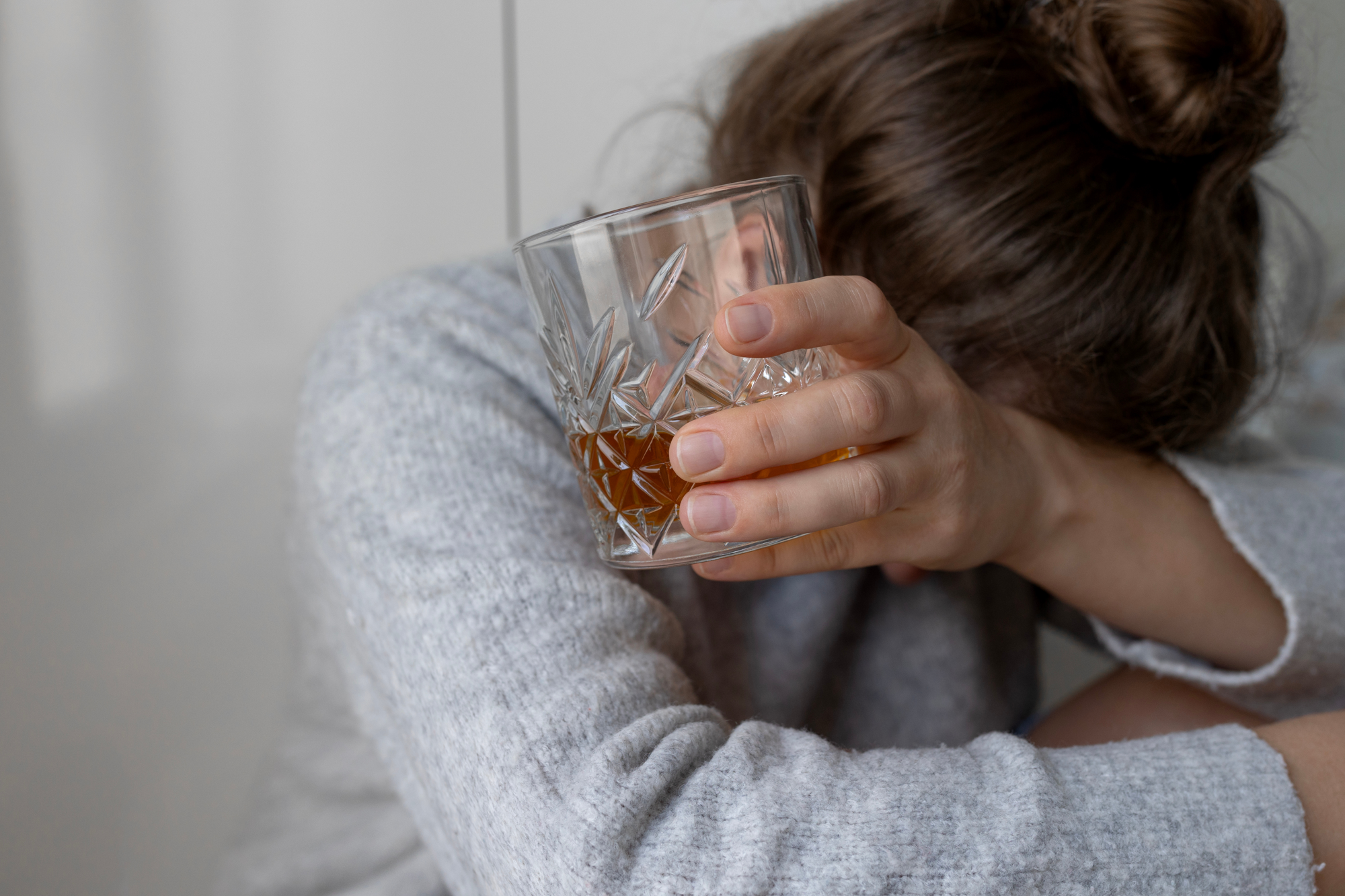
What Do Weekend Blackouts Tell You?
An alcohol blackout is a gap in memory caused by intoxication. You may still be awake, talking, walking, sending messages, and appearing coherent while your brain is no longer forming memories normally. There are two main types:
Fragmentary Blackouts
Also called brownouts or grayouts, these involve scattered memories with missing periods in between. Some details may return when someone provides a reminder, which is why you may not recognize them as blackouts at all.
En Bloc Blackouts
These involve complete memory loss that may last for hours. Because the memories were never formed, reminders generally cannot bring them back.
Blackouts often occur around a blood alcohol concentration of 0.16 percent or higher, though they can happen at lower levels in some circumstances. Drinking fast, drinking a lot, or drinking on an empty stomach all raise the risk.
Women may reach higher blood alcohol levels from the same number of drinks because they generally have less body water. Blackout drinking every weekend is a serious warning sign. It can leave you uncertain about conversations, decisions, injuries, driving, sexual activity, or arguments. Even one blackout is worth taking seriously.
Is Alcohol Still Part of the Weekend or Has It Become the Main Event?
Alcohol may be becoming the main event when weekend plans feel incomplete without drinking. Social drinking leaves room for the people, activity, meal, celebration, or experience itself. As the pattern changes, alcohol may begin determining where you go, who you spend time with, and whether an activity feels worth doing.
You may lose interest in events where drinking is unavailable. You may feel uncomfortable socializing without alcohol or believe that you cannot relax, connect, celebrate, or have fun without it.
For some women, weekend drinking becomes a release valve after days of work, caregiving, emotional labor, stress, grief, or pressure. What the drink is releasing changes what kind of help will work. A woman drinking to feel connected needs different support from someone drinking to numb trauma, quiet anxiety, escape loneliness, or shut off constant responsibility.
How Can You Change a Weekend Drinking Pattern?
Most attempts to cut back fail at the same point. For a weekend alcoholic, the decision may start on Wednesday, when it feels easy, and gets tested on Friday, when it does not. Changing the pattern means making the decision harder to undo.
A few things that give you real information rather than another promise:
- Measure one weekend: Not to judge it, but to see it. Pour into a measuring cup once and find out what your normal glass actually holds. Most home and restaurant pours run well above a standard serving, which means the number you have been carrying in your head may be low by half.
- Set the limit before the first drink, and set it in numbers: “I’ll take it easy” is not a limit. “Three drinks, and I’m ordering water in between” is. Notice whether the limit survives contact with the first drink, because that moment tells you more than the total ever will.
- Try one alcohol-free weekend and pay attention to the resistance: The interesting part is not whether you can do it. It is what comes up while you are doing it: restlessness, boredom, irritation, a sense that the weekend has been wasted, a running negotiation about whether Sunday counts. That reaction is the actual data.
- Name the job the drink is doing: Relief, confidence, connection, escape, permission to stop being responsible for everyone else. You cannot replace something until you know what it was for.
If the limits do not hold, if the alcohol-free weekend keeps getting postponed, or if the same blackouts and consequences keep arriving, that is not a character problem. It means the pattern has more hold than willpower alone can address, and that is worth taking to someone.
Our guide on how to tell whether you have a drinking problem explores self-assessment, screening tools, and the difference between risky drinking and alcohol use disorder in more detail.
What Kind of Help Is Available When Weekend Drinking Stops Feeling Manageable?
You do not have to drink every day before treatment becomes appropriate. The phrase “weekend alcoholic” carries no clinical weight one way or the other. What matters is whether the pattern is costing you more than you want to keep paying, and a professional assessment can help clarify whether what you are experiencing reflects binge drinking, alcohol use disorder, physical dependence, or something else.
The Fullbrook Center offers treatment that is women-only and built around trauma, because for most women the weekend drinking is not the first thing that went wrong. It sits on top of something: a loss that never got grieved, anxiety that was easier to drown than to name, years of holding a family together with no one holding you. Care starts there, with co-occurring mental health concerns treated alongside the drinking rather than after it.
Residential treatment in Fredericksburg gives you distance from the weekend itself, which is often what makes the pattern possible to see clearly. PHP and IOP in Kerrville offer the same clinical work with room for a job and a family. Whichever level fits, the work combines evidence-based care with trauma-informed therapy, holistic approaches, the 12 steps, and other women who understand exactly what you are going through.
If the weekend keeps ending in blackouts, regret, lost time, or promises that do not last, call The Fullbrook Center at 855 924 3479 for a confidential conversation about what kind of care may fit.
FAQs About Weekend Drinking
Can you be an alcoholic if you only drink on weekends?
A person can have alcohol use disorder even when drinking occurs only on weekends. Clinicians look at control, cravings, repeated difficulty cutting back, consequences, tolerance, withdrawal, and continued drinking despite harm rather than the specific days alcohol is used.
Is getting drunk every weekend a sign of alcohol use disorder?
Getting drunk every weekend does not establish a diagnosis by itself, but repeated intoxication is a meaningful warning sign. Concern increases when drinking leads to loss of control, blackouts, consequences, or unsuccessful attempts to change.
What is the difference between a blackout and a brownout?
A brownout, also called a fragmentary blackout, involves patchy memories with missing periods, and some details may return when someone provides reminders. An en bloc blackout is a complete loss of memory for a period of time, and those memories generally cannot be recovered because they were never formed.
Can someone tell if I am in a blackout?
Often, they cannot. A person in a blackout may hold conversations, walk, make decisions, send messages, and appear coherent because she remains awake while normal memory formation has stopped. The people around her may not recognize the blackout, and she may discover the memory gap only the next morning.
Is weekend binge drinking worse than drinking a little every day?
The patterns carry different risks rather than one being clearly safer. Weekend binge drinking can increase the risk of blackouts, injuries, alcohol poisoning, and other immediate harms, while daily drinking may contribute to habitual use, tolerance, and physical dependence. Our guide on drinking every night examines the daily pattern in more detail.