

Quick Answer: Does kratom show up on a drug test? It doesn’t show up on standard 5- or 10-panel screens, which aren’t designed to detect it. A specialized test that looks for mitragynine (kratom’s main compound) can detect it, usually in urine for about 1 to 7 days, longer with daily use.

Comprehensive Addiction Treatment Designed for Women
Whether you’re asking “Does kratom show up on a drug test?” because you’re facing a job screening, a probation check, or a medical test, the answer comes down to one thing: what the lab was asked to look for. A routine screen and a kratom-specific test can give very different results.
Kratom contains compounds that only targeted tests pick up, and even a positive result has limits on what it can tell anyone.
At a glance:
- Standard 5-panel test: No
- Standard 10-panel test: Usually no
- DOT workplace test: No
- Kratom-specific urine test: Yes
- Blood, hair, or saliva: Only with specialized lab methods
Does Kratom Show Up on a 5-Panel or 10-Panel Test?
No. These panels look for specific drug classes, and mitragynine isn’t one of them. Typical 5-panel screens for marijuana, cocaine, amphetamines, opiates, and PCP. A 10-panel adds substances such as benzodiazepines, barbiturates, and methadone, though the exact list varies by lab.
So, does kratom show up on a drug test with more panels? Not automatically. An employer, doctor, or court program has to add kratom to the order. The substances listed on that order decide the answer.
Does Kratom Show Up On A Urine Test?
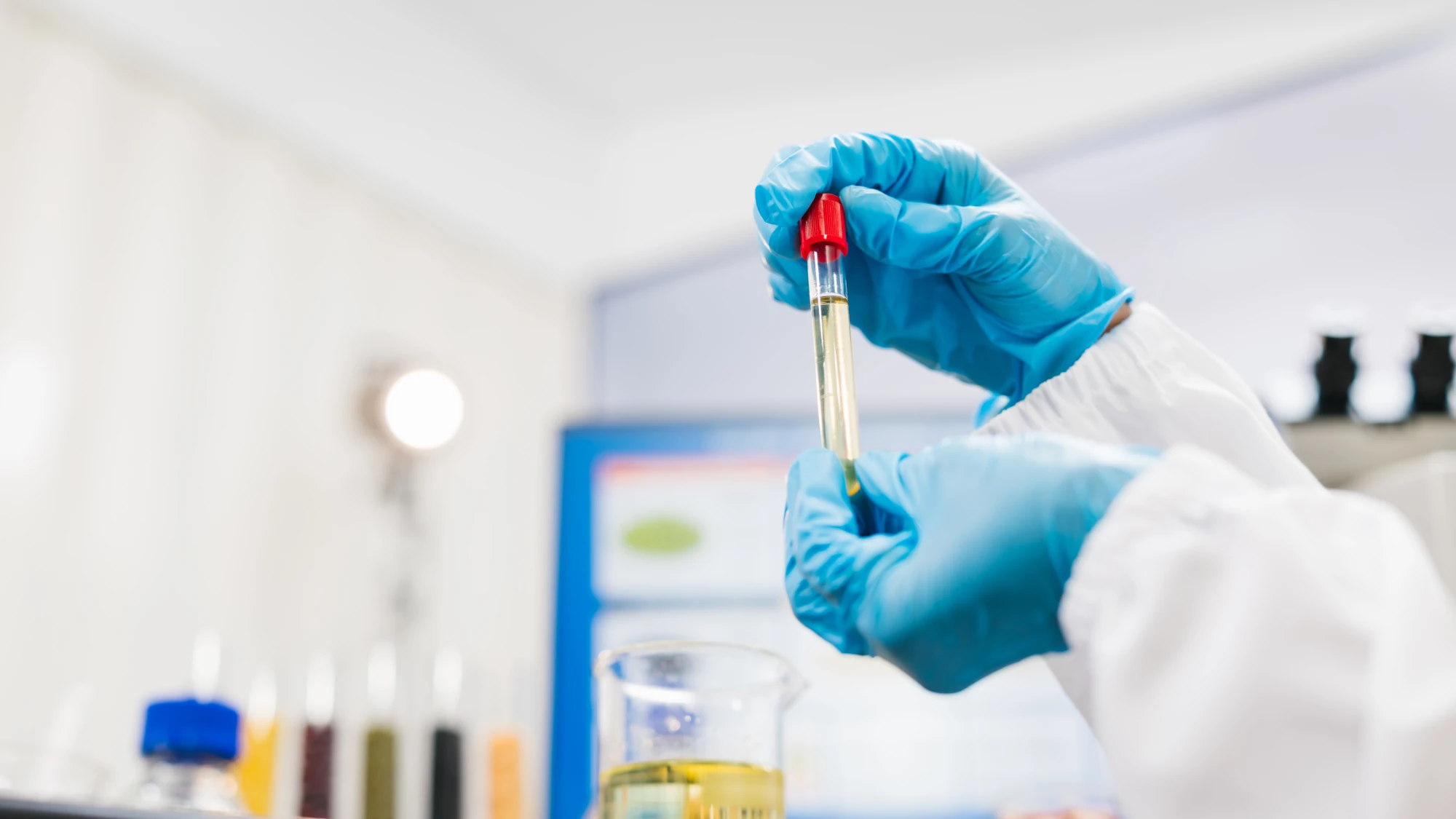
Yes, when the lab is asked to look for it. Urine is the most common way kratom is tested. Labcorp’s kratom urine test, for example, works in two steps:
- Screening: a fast immunoassay checks for mitragynine.
- Confirmation: if the screen is positive, a more precise lab method (LC-MS/MS) confirms mitragynine and checks for 7-OH.
Results usually reach the ordering provider in 5 to 10 days. That’s lab processing time, not how long kratom stays detectable.
Rapid kratom test cups exist too, but ordinary instant cups don’t include kratom unless mitragynine or kratom is printed on the label.
How Long Does Kratom Stay in Your System?
Kratom is commonly estimated to be detectable in urine for about 1 to 7 days. That’s a rough range, not a validated window, and the number of days since your last dose can’t guarantee a negative result. Mitragynine clears more slowly after daily use than after a single dose, so regular use stretches the window.
When addressing the question, “How long does kratom stay in your system?”, there are details that can affect detection time, such as:
- How often and how much you use: repeated use can extend detection.
- The product: powders, extracts, and concentrated products vary widely in strength.
- Your metabolism: people process and clear substances at different rates.
- The lab’s cutoff: a lower threshold catches smaller amounts.
Will Kratom Show Up on a Workplace or Probation Drug Test?
Only if that program adds it.
At work: most pre-employment panels don’t include kratom. The U.S. Department of Transportation’s required drug testing panel, used for safety-sensitive transportation jobs, covers marijuana, cocaine, amphetamines, opioids, and PCP, not kratom. Private employers can set their own, broader policies.
On probation or court supervision: requirements vary by county, program, and lab, and some programs order expanded panels that include kratom.
A test described only as a “urine drug screen” doesn’t tell you enough.
Questions to ask before your test:
- Which substances are on this panel?
- Is kratom or mitragynine specifically included?
- Is this a screen only, or will positives be confirmed?
Does Kratom Show Up as Opiates or Cause a False Positive?
Generally no. Kratom acts on opioid receptors, but it isn’t chemically an opiate, so it doesn’t usually trigger a routine opiate screen. Interference has been documented with one specific test method, though.
A 2020 laboratory investigation published in the American Journal of Clinical Pathology found that a kratom-related metabolite could interfere with an immunoassay that screens for EDDP, a methadone metabolite. That finding applies to that test method only. It doesn’t mean kratom routinely shows up as methadone or other opioids.
If a result doesn’t match what you’ve taken, ask for the lab method and a confirmation test before anyone draws conclusions.
Will 7-OH Products Show Up on a Kratom Drug Test?
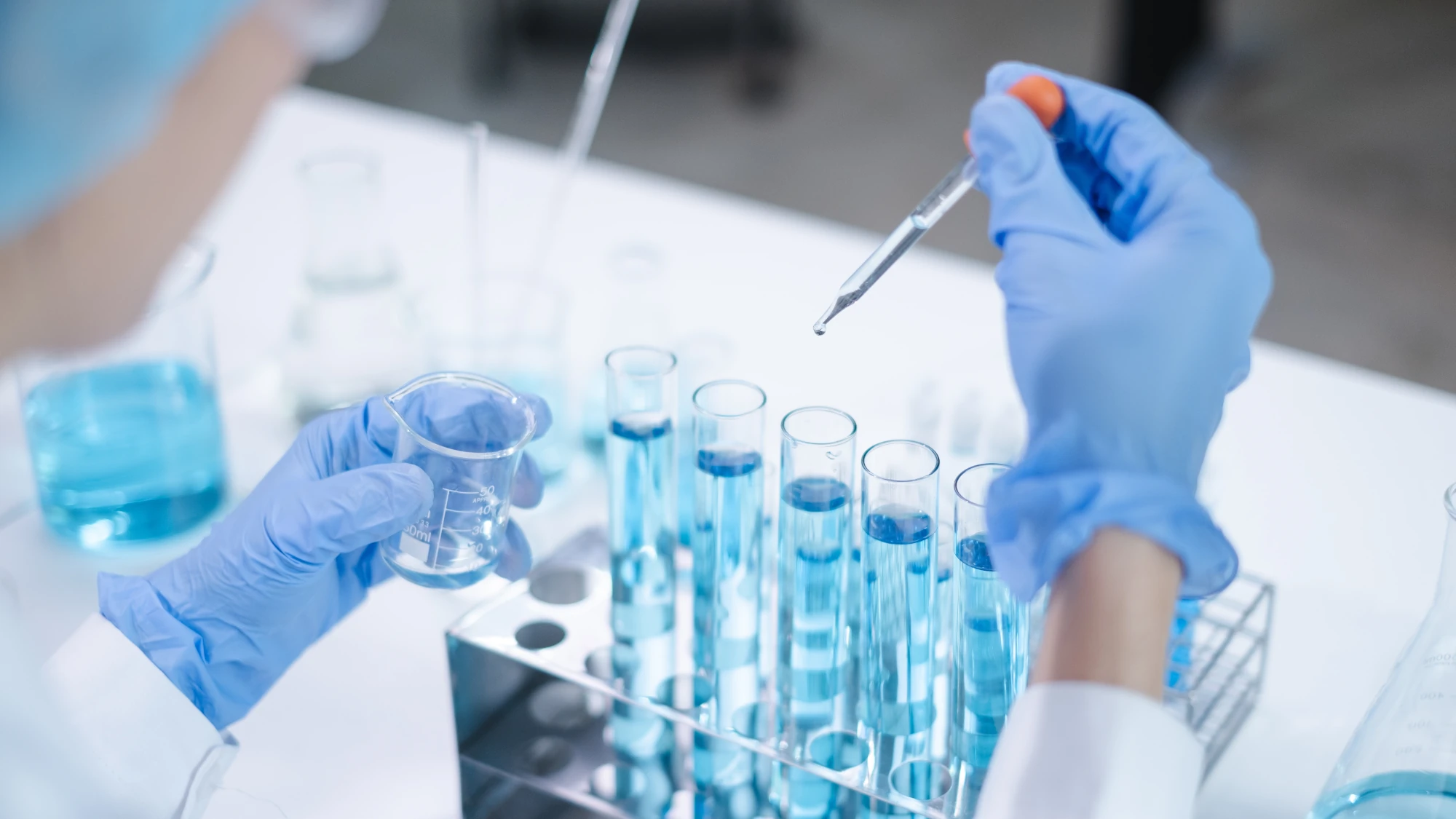
They can. Many kratom screens target mitragynine, not 7-OH. Some concentrated 7-OH gummies, tablets, and shots also contain mitragynine and can trigger the screen; others may not.
Confirmation testing, like Labcorp’s, can identify 7-OH separately. That means a negative mitragynine screen doesn’t necessarily rule out 7-OH use, and a full lab panel may still find it.
What Should You Do if a Kratom Drug Test Comes Back Positive?
A confirmed positive kratom drug test means the lab found a targeted compound above its cutoff. It doesn’t show how much you used, when you last used, whether you were impaired, or whether you have a substance use disorder.
If you get an unexpected result:
- Ask what was tested. Confirm kratom or mitragynine was actually on the panel.
- Ask if it was confirmed. A screen alone is presumptive; confirmation uses a more precise method.
- Share your medications and supplements with the medical review officer or ordering provider.
- Ask about further testing if the result still doesn’t make sense.
What happens next depends on your employer’s or program’s policy, so bring questions about your job or supervision to HR, your probation officer, or an attorney.
What if You’re Worried About Your Own Kratom Use?
If you’ve been going online doing searches for questions like “does kratom show up on a urine test” because you’re worried about your own use, that worry deserves attention too. It may be time to talk with someone if you’re using more often, feel sick when you stop, or find cutting back harder than you expected.
The Fullbrook Center provides women-only, trauma-informed treatment for substance use and co-occurring mental health concerns. Kratom use is often tied to pain, anxiety, trauma, or exhaustion, and we treat those roots, not just the habit.
“I am also a woman who has struggled with a lot of mental health and trauma. My experience helps me not only be able to hold women accountable, but also have a lot of compassion.”
— Brittany Wilson, Director of Patient Experience

Depending on your needs, care may include:
- Residential treatment at our home in Fredericksburg, TX.
- Partial hospitalization and intensive outpatient programs in Kerrville, TX, which can fit around work and family.
If you’re considering support for women experiencing problems with kratom use, our team can help you find the level of care that fits.
FAQs About Kratom Drug Testing
Can kratom be detected in hair or saliva?
Specialized lab methods can find kratom compounds in hair or saliva, but routine hair and saliva tests don’t include kratom. Detection windows for these methods are less established than for urine.
Does kratom show up on a blood test?
Only on specialized blood tests, mostly used in hospitals or forensic cases, not routine screening. Blood usually has a shorter detection window than urine.
Does kratom tea show up on a drug test?
Yes, if the test looks for kratom. Tea, powder, and capsules all contain mitragynine, so the form doesn’t change whether a kratom-specific test can detect it.
Does kratom show up on a drug test during pregnancy?
Yes, if a kratom-specific test is ordered, though routine prenatal care doesn’t always include one. If you’re pregnant and using kratom, talking openly with your prenatal provider can help you understand the risks and find available support.
Can you lose your job for testing positive for kratom?
It depends on your employer’s policy and where you live, since kratom’s legal status varies. Our guide covers whether kratom is legal in Texas, and if you’re worried about work while getting help, read about whether you can be fired for going to rehab.