
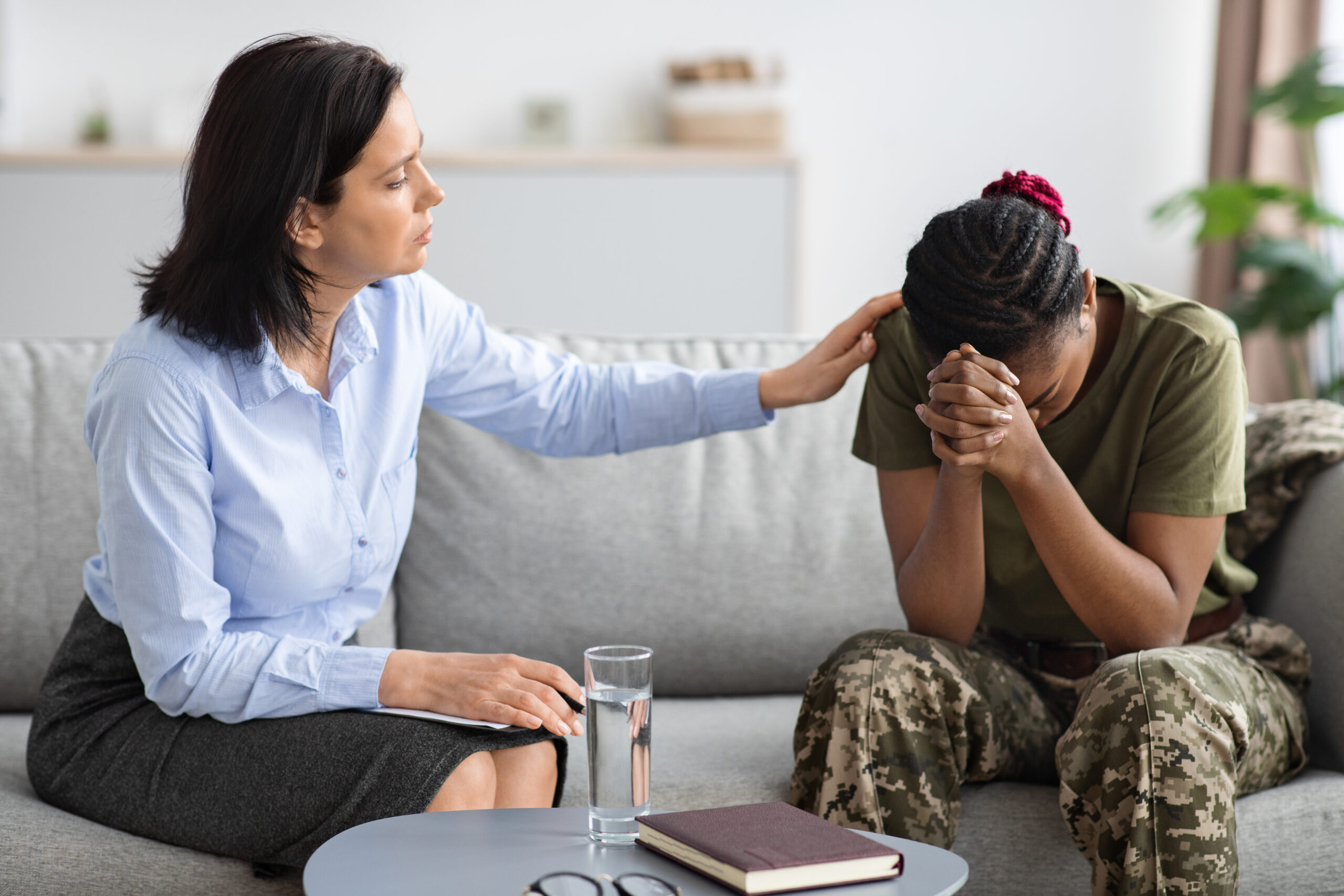
Complex Post-Traumatic Stress Disorder (CPTSD) is a trauma-related condition that can develop after long-term or repeated exposure to distressing experiences. Many women live with CPTSD for years without realizing that trauma is at the root of their emotional, physical, and relational struggles. Learning to recognize the signs and symptoms of CPTSD in women can be a powerful first step toward healing and meaningful support.
This article explains what CPTSD is, how it commonly affects women, and when professional trauma-informed care may help you move toward the healing you’ve desired.

Comprehensive Addiction Treatment Designed for Women
What Is Complex PTSD (CPTSD) and How It Affects Women
CPTSD develops when a person is exposed to ongoing trauma rather than a single traumatic event. This trauma often occurs in situations where the individual had limited control or no safe way to escape. For many women, these experiences happen within relationships or caregiving environments.
Examples include childhood abuse or neglect, domestic violence, long-term emotional abuse, sexual trauma, trafficking, or repeated exposure to unsafe or unstable relationships. Over time, a person’s nervous system adapts to constant threat, shaping how a woman thinks, feels, and relates to others.
Why CPTSD Symptoms Often Look Different in Women
Women are more likely to experience interpersonal trauma, especially trauma involving trusted figures such as caregivers or intimate partners. This type of trauma can deeply affect emotional safety, attachment, and self-worth.
Cultural expectations may also influence how symptoms present. Many women are socialized to suppress anger, prioritize others, or internalize blame. As a result, CPTSD symptoms in women are often misdiagnosed as anxiety, depression, or a personality disorder rather than being recognized as a trauma response.
Emotional Signs and Symptoms of CPTSD in Women
Emotional Dysregulation and Intense Mood Swings
Women with CPTSD often struggle to regulate emotions. Feelings may come on suddenly and feel overwhelming, even in situations that seem minor to others. Emotional reactions can include sadness, anger, irritability, despair, or emotional numbness.
These responses reflect a nervous system that has learned to stay alert to danger, not a lack of emotional control.
Chronic Shame, Guilt, and Self-Blame in Women With CPTSD
Persistent shame is a core symptom of CPTSD in women. Many carry deep beliefs that they are flawed, unworthy, or responsible for the trauma they experienced.
This internalized shame can affect a woman’s confidence, decision-making, and ability to trust others or seek help.
Ongoing Anxiety, Hypervigilance, and Fear Responses
Chronic anxiety is common in CPTSD. Women may feel constantly on edge, unsafe, or alert for signs of danger. This state of hypervigilance can continue even when life appears stable.
Fear responses may include panic attacks, social anxiety, excessive worrying, or a strong need to control surroundings to feel safe.
Cognitive and Psychological CPTSD Symptoms in Women
Negative Self-Image and Distorted Sense of Identity
CPTSD can disrupt a woman’s sense of identity. Many women struggle to understand who they are outside of survival roles, caregiving, or trauma-based relationships.
Feelings of emptiness, confusion, or disconnection from oneself are common and can lead to a loss of purpose or direction.
Memory Problems, Brain Fog, and Difficulty Concentrating
Trauma impacts brain function. Women with CPTSD may experience difficulty concentrating, forgetfulness, or mental fog that interferes with daily life.
Dissociation, a protective response to overwhelming stress, can further affect memory and attention.
Intrusive Thoughts and Emotional Flashbacks
Instead of vivid visual flashbacks, many women with CPTSD experience emotional flashbacks. These involve sudden waves of fear, shame, or distress without a clear memory attached.
Intrusive thoughts related to safety, self-worth, or past trauma can also occur, often feeling uncontrollable or confusing.
Relationship and Attachment CPTSD Symptoms in Women
Fear of Abandonment and Rejection Sensitivity
Many women with CPTSD experience intense fear of abandonment. This fear may lead to people-pleasing, over-giving, or staying in unhealthy relationships to avoid being alone.
Rejection sensitivity can make small conflicts feel emotionally devastating.
Difficulty Trusting Others and Feeling Emotionally Safe
Trust often feels unsafe after prolonged trauma. Women with CPTSD may crave connection while simultaneously feeling unable to relax around others.
This inner conflict can lead to isolation, loneliness, or repeated relationship struggles.
Boundary Issues and People-Pleasing Behaviors
CPTSD frequently affects boundaries. Some women struggle to say no or recognize their own needs, while others maintain rigid emotional walls to avoid being hurt.
Both patterns are learned survival strategies and can be addressed through trauma-informed care.
Physical and Somatic Symptoms of CPTSD in Women
Chronic Fatigue and Nervous System Exhaustion
Living in a constant state of alertness is exhausting. Many women with CPTSD experience ongoing fatigue that does not improve with rest.
This exhaustion is linked to nervous system dysregulation rather than a lack of motivation.
Unexplained Physical Pain and Trauma-Related Illness
Trauma is often stored in the body. CPTSD in women may be experienced through headaches, digestive issues, muscle tension, chronic pain, or autoimmune conditions without a clear medical explanation.
These symptoms are real and deserve compassionate, integrated treatment.
Sleep Problems, Nightmares, and Insomnia
Sleep disturbances are common. Women with CPTSD may struggle to fall asleep, stay asleep, or feel rested due to nightmares or fear of vulnerability during sleep.
Poor sleep can intensify emotional and physical symptoms over time.
Behavioral Coping Patterns Common in Women With CPTSD
Avoidance, Emotional Numbing, and Dissociation
To cope with overwhelming emotions, women with CPTSD may avoid certain people, situations, or feelings. Emotional numbing and dissociation are signs of CPTSD in women and can create a sense of detachment from oneself or the world.
While protective in the past, these patterns often limit healing in the present.
Perfectionism, Overachievement, and Control Behaviors
Some women cope with CPTSD by striving for perfection or control. Achievement may feel like a way to create safety or earn worth.
Over time, this pattern often leads to burnout, anxiety, and emotional collapse.
Self-Destructive Coping and Trauma Responses
In some cases, CPTSD may involve harmful coping behaviors such as substance use, disordered eating, or self-harm. These behaviors are attempts to manage emotional pain, not signs of weakness.
Trauma-informed treatment addresses the underlying causes rather than focusing on punishment or shame.

When to Seek Help for CPTSD Symptoms in Women
If symptoms interfere with daily functioning, relationships, self-esteem, or physical health, professional support can be life-changing. CPTSD is highly treatable with the right therapeutic approach.
Healing typically requires trauma-specific care that addresses nervous system regulation, emotional safety, and long-term recovery rather than only treating surface-level symptoms.
Trauma-Informed Treatment for CPTSD in Women
Effective treatment for CPTSD often includes trauma-focused therapy, somatic approaches, emotional regulation skills, and support for rebuilding identity and relationships.
Treatment is most effective when it honors each woman’s history, pace, and need for safety.
How The Fullbrook Center Supports Women Healing From CPTSD
At The Fullbrook Center, trauma-informed care is designed to support women navigating CPTSD. Their approach emphasizes safety, compassion, and long-term healing rather than symptom suppression.
By focusing on the question “What happened to you?” rather than “What’s wrong with you?”, supportive treatment helps women rebuild trust in themselves, regulate emotions, and move forward with stability and support.
Healing From Complex PTSD in Women: Moving Forward With Support
CPTSD in women often develops quietly over years of survival. The symptoms are adaptive responses to trauma, not personal flaws or failures.
With the right care and understanding, healing is possible. Recognizing the signs of complex PTSD in women is a powerful step toward reclaiming safety, self-worth, and a more connected life.
Beginning trauma treatment for women in Texas doesn’t have to feel daunting. Our team at The Fullbrook Center is here to help you heal. Call us today.
FAQs About CPTSD Signs & Symptoms in Women
Can CPTSD symptoms in women change over time?
Yes. CPTSD symptoms in women can change depending on life circumstances, stress levels, and access to support. Some women notice symptoms intensify during major life transitions such as pregnancy, motherhood, relationship changes, or career shifts. Others may feel relatively stable for years before symptoms resurface when old trauma is triggered. Changes over time do not mean treatment has failed. Instead, they reflect how trauma responses adapt to new environments.
Can CPTSD symptoms in women appear later in life?
CPTSD symptoms do not always appear immediately after trauma. Many women function in survival mode for years before symptoms become noticeable. Later-life triggers such as illness, loss, burnout, or entering a safe environment can cause symptoms to surface for the first time. This delayed onset is common and does not make the trauma less valid.
How do CPTSD symptoms in women affect motherhood and parenting?
Women with CPTSD may find parenting emotionally demanding, especially when caring for young children. Trauma can heighten sensitivity to stress, noise, or conflict, and may trigger fears of repeating harmful patterns. At the same time, many women with CPTSD are deeply empathetic parents. With trauma-informed support, parenting can become a powerful part of healing rather than a source of shame.
Can CPTSD affect a woman’s sense of femininity or body image?
CPTSD can strongly impact body image, sexuality, and self-perception. Women may feel disconnected from their bodies, uncomfortable with touch, or critical of their appearance. Trauma can disrupt the ability to feel safe, present, or confident in one’s body. Healing often involves rebuilding a sense of bodily autonomy and self-compassion.
Are CPTSD symptoms in women often mistaken for other mental health conditions?
Yes. CPTSD symptoms in women are frequently misdiagnosed as depression, generalized anxiety disorder, bipolar disorder, or borderline personality disorder. While overlapping symptoms exist, CPTSD has a distinct trauma-based origin. Accurate diagnosis is important because trauma-informed treatment differs from standard mental health approaches.
Can women with CPTSD appear high-functioning on the outside?
Absolutely. Many women with CPTSD maintain careers, families, and social roles while silently struggling. High-functioning CPTSD may involve chronic exhaustion, emotional distress, or inner turmoil that is hidden from others. Functioning well externally does not mean someone is not suffering internally.
Does CPTSD impact decision-making and confidence in women?
CPTSD can make decision-making feel overwhelming. Women may doubt their judgment, fear making mistakes, or seek excessive reassurance. This often stems from past experiences where autonomy was unsafe or met with punishment. Therapy can help rebuild trust in one’s instincts and choices.
Can CPTSD symptoms in women improve without therapy?
Some symptoms may lessen with time, stability, or supportive relationships, but CPTSD rarely resolves fully without trauma-specific treatment. Because CPTSD affects the nervous system, identity, and attachment patterns, professional support is often needed to create lasting change rather than temporary coping.

Pictured here is Lilly, the “main doggo” here at The Fullbrook Center. She didn’t actually write this page, but we let her take the credit. Learn more about our talented team, our treatment facility, our approach, and who our clients are. And if you’re interested in healing from substance abuse and trauma, we’d love to hear from you; please drop us a line.