
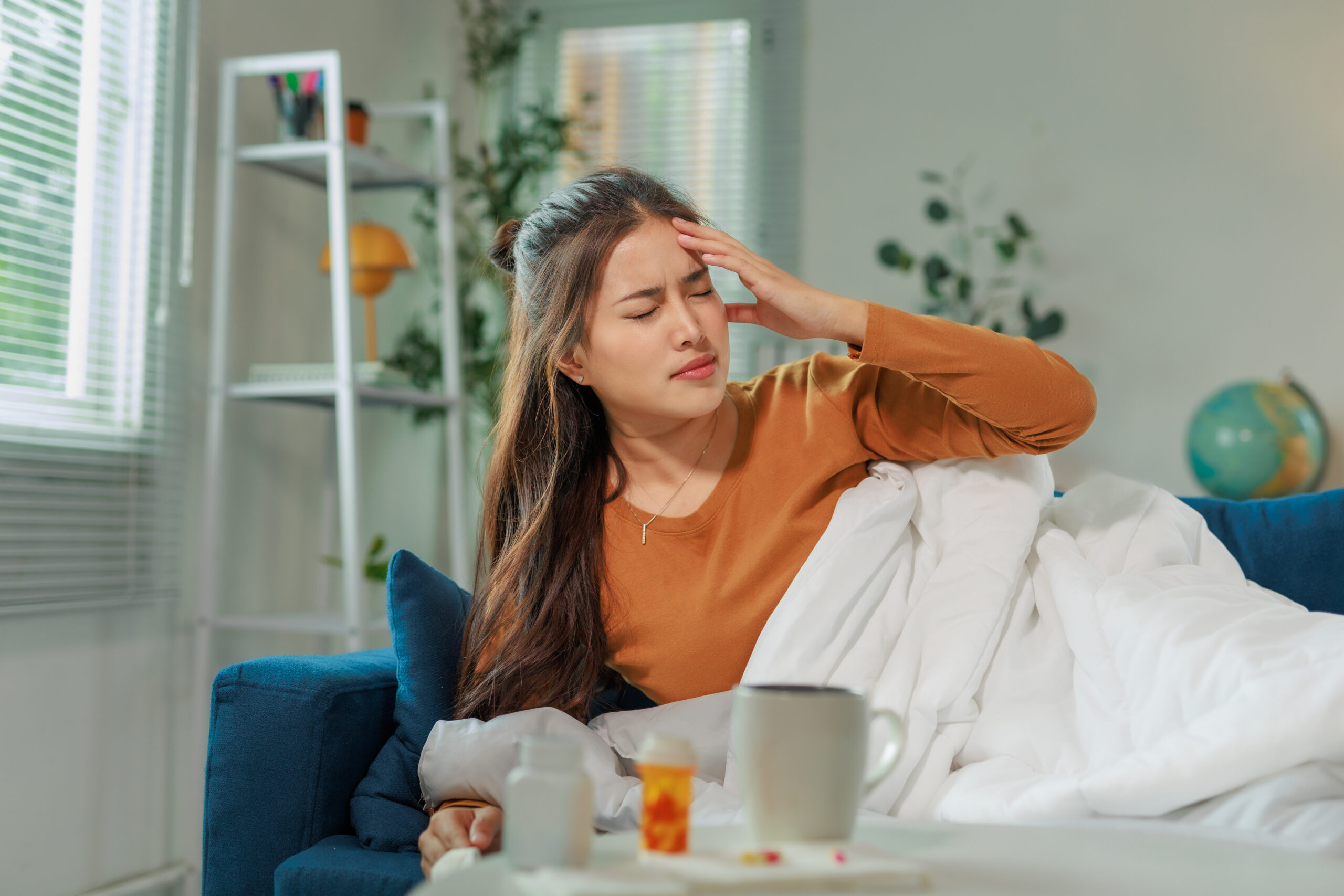
Librium is often introduced during moments of medical urgency, most commonly during alcohol withdrawal or acute anxiety, when the nervous system is under intense strain. In those early stages, the focus is on stabilization and safety, not on long-term use or what may come later. But, is Librium addictive? And what effects does it have on women’s health? This article seeks to answer these and other questions related to Librium addiction.
In truth, some women begin to notice that their bodies respond differently without this prescription medication. Calm feels harder to access, and reducing the dosage may bring unexpected discomfort. This is how Librium addiction can quietly take shape, not necessarily through misuse, but through the nervous system adapting to ongoing chemical support. Let’s take a closer look.

Comprehensive Addiction Treatment Designed for Women
What Librium Is and Why It’s Commonly Used
Librium, also called chlordiazepoxide, is a long-acting benzodiazepine. It’s most commonly prescribed for alcohol withdrawal, and sometimes used in medical settings when anxiety or nervous system stress feels severe.
Librium works by supporting GABA, a natural messenger in the brain that helps calm the nervous system when it’s been running on high alert. That’s why Librium works slowly and stays in the body longer than many similar medications; it’s often used to help the nervous system settle in a steady, gradual way.
Is Librium Addictive Even When Prescribed for Detox?
Normally, yes; chlordiazepoxide addiction can happen, and Librium can lead to physical dependence in women and in anyone who takes it regularly.
Librium addiction rarely develops through misuse or dose escalation. More often, it develops when the nervous system adapts to repeated calming support during a period of extreme stress.
When the medication is reduced or stopped, the body may struggle to regulate without it.
This response is a normal part of the nervous system’s adaptation to benzodiazepines.
Signs the Nervous System May Be Struggling With Librium Dependence
Not every woman experiences the same effects, and many changes develop gradually. Some women notice:
- Anxiety or agitation when doses change
- Sleep disruption without Librium
- Physical restlessness or tension
- Emotional sensitivity or irritability
- Unease about stopping the medication
Librium Use During Alcohol Recovery and the Nervous System
Alcohol withdrawal already places significant strain on the nervous system. Librium helps by providing external regulation during that unstable period.
Over time, the nervous system may come to rely on that support to feel steady. When Librium is reduced, the body may react strongly, not because recovery is failing, but because regulation hasn’t fully returned internally yet.
This is one reason Librium dependence often feels less like craving and more like fear of destabilization. For many women, this experience is part of a larger pattern involving trauma and substance use in women, where the nervous system has learned to rely on external support to feel safe.
How Chlordiazepoxide Dependence Develops
In order to fully answer the question, “Is chlordiazepoxide addictive?”, it’s important to understand how dependency develops. Librium dependence tends to follow a different pattern than other benzodiazepines because of how and when it’s prescribed. Here’s the breakdown:
Medical Vulnerability
Librium is often introduced during alcohol withdrawal or acute distress, when the nervous system is already sensitized.
Nervous System Learning
The body learns that chlordiazepoxide brings relief and stability during a critical moment.
Continued Reliance
Even after the crisis passes, the nervous system may expect that same external support to feel calm.
Difficulty Reducing
When doses change, symptoms may resemble the original withdrawal experience, reinforcing reliance without conscious intention.
Librium Withdrawal and Why It Can Feel Confusing
Librium withdrawal doesn’t always appear right away. Because chlordiazepoxide stays in the body for an extended period, symptoms may feel delayed, uneven, or prolonged.
Women often describe:
- Symptoms emerging days or weeks after dose changes
- Difficulty distinguishing anxiety from withdrawal
- A sense that discomfort lingers longer than expected
Medically Supported Detox for Librium Dependence
For some women, reducing Librium safely involves medically supported detox. In this context, detox doesn’t mean an abrupt stop; it means tapering slowly with medical oversight so the nervous system has time to adjust.
Support may include:
- Gradual dose reductions tailored to long-term Librium use
- Monitoring for delayed withdrawal symptoms
- Support for sleep, anxiety, and physical discomfort
- Attention to nervous system sensitivity and pacing
When detox is approached thoughtfully, many women find it more manageable than trying to reduce dosages on their own.
Why Librium Dependence Can Be Hard to Recognize After Detox
Many women expect detox to mark the end of the experience. Instead, questions often surface after discharge, when the immediate crisis has passed. Librium dependence can be difficult to recognize because:
- The medication is associated with medical care and safety
- Symptoms overlap with alcohol recovery or anxiety
- Discomfort may appear gradually rather than all at once
Support Options for Women Navigating Librium Addiction
Chlordiazepoxide is often used alongside alcohol recovery, anxiety treatment, or trauma care, which means effective support treats these concerns together. At The Fullbrook Center, our approach to benzodiazepine rehab is trauma-informed, women-only, and collaborative. Support may include. Support may include:
- Integrated, dual-diagnosis therapy addressing anxiety, trauma, and substance use
- Residential care in a calm, contained environment that supports nervous system safety
- Step-down support through partial hospitalization or intensive outpatient care, to maintain stability during transitions
How We Can Support You at The Fullbrook Center
The Fullbrook Center supports women navigating Librium addiction with steadiness, medical care, and deep attention to the nervous system. Support is available when and if it feels right. Whether you have questions about whether or not you might be addicted to Librium, or want answers about the restorative recovery programs at Fullbrook, call us today and let’s talk about how, together, we can set you on a sustainable path to restorative wellness.
FAQs: Librium and Chlordiazepoxide Addiction
Is Librium addictive even if it was prescribed for alcohol withdrawal?
Yes. Even when prescribed for detox, Librium addiction can happen, and physical dependence may occur if the nervous system adapts to regular use.
Is chlordiazepoxide addictive long-term?
Long-term use increases the risk of chlordiazepoxide dependence as the nervous system adjusts to ongoing calming support.
Why does Librium withdrawal feel similar to alcohol withdrawal?
Both affect the nervous system. Symptoms can overlap, which is why medical guidance is important when reducing Librium.
Can Librium be tapered safely?
Yes. With medical oversight and a gradual approach, many women taper chlordiazepoxide more safely and comfortably.
How long does Librium stay in the body?
Librium remains in the body longer than many benzodiazepines, which can delay or extend Librium withdrawal symptoms and make tapering feel less predictable.