
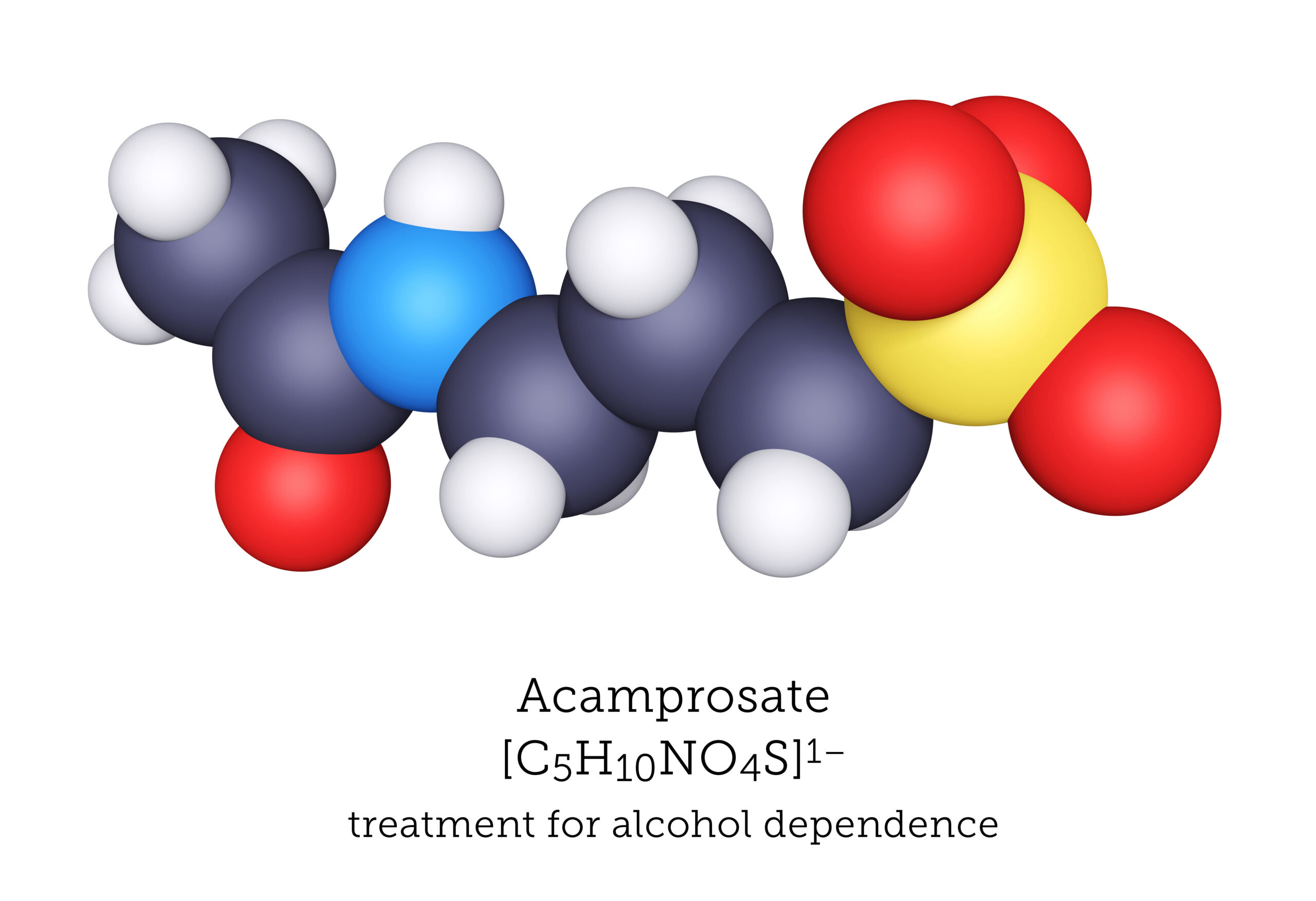
Quick Answer: Common acamprosate side effects include diarrhea, nausea, and stomach discomfort, especially during the first few weeks of treatment. Some women may also experience sleep changes or increased anxiety early on. However, in most cases, these effects improve as the body adjusts and don’t require stopping the medication.

Comprehensive Addiction Treatment Designed for Women
When a medication is introduced during alcohol recovery, it’s natural to have questions about side effects. Knowing what to expect makes it easier to stick with something, even when the early weeks feel uncomfortable.
Acamprosate, also known as Campral, is one of the few FDA-approved medications for alcohol use disorder. It’s not always talked about as much as other options, which means many women begin taking it without a clear understanding of how it works or what the body might experience in response.
Here, we cover everything you need to know about acamprosate side effects and when to seek help.
How Does Acamprosate Work in the Body?
Understanding how acamprosate works helps explain why side effects happen.
After alcohol use stops, the brain often enters a prolonged state of imbalance. The nervous system, which adapted to alcohol’s presence, becomes overactive. This can show up as anxiety, restlessness, sleep disruption, and a persistent sense of discomfort.
Acamprosate works by helping stabilize that imbalance. It supports the brain’s natural calming systems and reduces the overactivation that drives post-withdrawal distress.
It doesn’t create a high or block alcohol’s effects. Instead, it helps the nervous system return to a more stable baseline while healing continues.
What Are the Most Common Campral Side Effects?
Campral side effects are most commonly gastrointestinal, particularly in the early weeks. The body tends to adjust over time, but the first two to four weeks can involve:
- Diarrhea: The most frequently reported side effect and often the most disruptive early on
- Nausea: Usually mild and tends to decrease as the body adapts
- Stomach cramping or discomfort: Connected to how the medication moves through the digestive system
- Gas or bloating: Reported by some women, typically short-lived
- Reduced appetite: Often linked to nausea and gastrointestinal sensitivity
- Headache: Less common but reported, particularly in the first week
- Dizziness: Mild and usually brief, most often noticed when standing quickly
- Itching or skin sensitivity: Occurs in some women and is worth reporting to a clinician if persistent
What Are the Long-Term Side Effects of Acamprosate?
Long-term side effects of acamprosate are generally less intense than early symptoms. As the body stabilizes, most digestive issues improve, and the medication becomes easier to tolerate.
One important difference from other medications is that acamprosate is not processed by the liver. This makes it a safer option for women with a history of heavy alcohol use or liver concerns.
However, acamprosate is processed through the kidneys. Women with kidney issues should be evaluated before starting and then monitored during treatment.
How Can Acamprosate Affect Anxiety, Mood, and Sleep?
Acamprosate acts on the nervous system’s balance between excitation and inhibition. Therefore, mood-related effects are possible, and they’re not always straightforward.
Some women experience a reduction in anxiety and restlessness as the medication begins to work, which is one of the ways it supports early recovery. Others notice a temporary increase in anxiety, emotional sensitivity, or low mood in the first weeks before that stabilization takes hold.
Sleep can also be affected. Some women report improved sleep as nervous system dysregulation settles. Others experience disruption, particularly early in treatment.
These effects are worth tracking and discussing with a treatment team. The line between a medication side effect and a symptom of post-acute withdrawal can be difficult to distinguish without support, and women shouldn’t have to navigate that distinction alone.

How Do Acamprosate and Naltrexone Side Effects Compare?
Women are often choosing between medications, so understanding the difference matters.
Acamprosate side effects are primarily physical and digestive, especially early on. In contrast, naltrexone’s most common side effects tend to include nausea, fatigue, and mood-related changes.
Another key difference is how the medications are processed. Naltrexone is processed by the liver, while acamprosate is not. This makes acamprosate a better option for women with liver concerns, but it requires attention to kidney health instead.
Neither medication is universally better. The right choice depends on your unique medical history and what feels manageable during recovery.
How Can You Manage Campral Side Effects?
Knowing how to manage Campral side effects early on can make it much easier to stay consistent with the medication. Helpful strategies include:
- Taking the medication with food to reduce stomach discomfort
- Staying consistent with timing since acamprosate is taken multiple times per day
- Staying hydrated, especially if diarrhea is present
- Giving the body time to adjust during the first few weeks
- Tracking symptoms to identify patterns
- Speaking with a clinician before stopping or changing dosage
Most side effects improve with small adjustments rather than discontinuation.
When Should You Contact a Doctor About Acamprosate Side Effects?
Most Campral side effects are manageable and temporary, but some symptoms warrant prompt medical attention, including:
- Severe or persistent diarrhea that leads to signs of dehydration
- Significant mood changes, including depression or thoughts of self-harm
- Chest tightness, irregular heartbeat, or shortness of breath
- Swelling of the face, throat, or extremities
- Severe skin reactions, including rash or hives
- Symptoms of kidney stress, including changes in urination or lower back pain
- Any side effect that feels unmanageable after two to three weeks of consistent use
These aren’t common experiences. But knowing what to watch for means that something unusual is never confused with ordinary adjustment.

How The Fullbrook Center Supports Women on Acamprosate
Our care is trauma-informed and women-centered, which means that side effects, fears about starting a new medication, and questions about whether this is the right path are all part of the conversation from the beginning.
Support at Fullbrook may include:
- Medically supported detox for women, stabilizing before medication is introduced
- Residential care where medication management and therapeutic support happen together in a women-only environment
- Partial hospitalization and intensive outpatient programs that provide continued structure as independence grows
- Trauma-informed therapy that addresses what medication cannot—the emotional landscape underneath the alcohol use
You Deserve to Know What You Are Getting Into
Going into treatment with a clear understanding of acamprosate side effects can change the experience entirely.
What feels uncomfortable at first often becomes easier once you understand what your body is adjusting to. You deserve clarity, not guesswork.
If you have questions about acamprosate, your options, or what support could look like, you don’t have to figure it out alone.
Calling doesn’t obligate you to anything. Contact us today to start the conversation with a simple, confidential phone call.
FAQs About Acamprosate Side Effects
How does acamprosate interact with trauma history?
For women with trauma histories, the nervous system is often already in a heightened state before alcohol use disorder enters the picture. Acamprosate’s role in reducing post-withdrawal overactivation can be genuinely helpful in this context, but the adjustment period may feel more layered.
Does acamprosate work if you drink while taking it?
Acamprosate is designed to support abstinence, not to reduce the rewarding effects of drinking. Unlike naltrexone, it doesn’t block the brain’s response to alcohol. Drinking while on acamprosate doesn’t produce a dangerous reaction, but it does work against the nervous system stabilization that the medication is trying to support. Most clinicians recommend acamprosate specifically for women who have already stopped drinking and want to maintain abstinence.
Can acamprosate be stopped suddenly?
Acamprosate doesn’t produce a withdrawal reaction if stopped abruptly. That said, stopping without clinical guidance removes an important layer of support. If the medication feels unmanageable, there are almost always adjustments worth trying before discontinuation becomes the answer.
How long does it take for acamprosate to work?
Acamprosate builds up in the system over time and works best with consistent use. Most women begin to notice the stabilizing effects within one to two weeks. The full benefit tends to emerge over the first month of consistent use. This is one reason stopping early—before the medication has had adequate time to work—often means not experiencing its actual effect.
Is acamprosate safe for women with liver concerns?
Yes, unlike naltrexone, acamprosate isn’t processed by the liver, making it a suitable option for women with liver concerns related to prior alcohol use. It’s eliminated through the kidneys, however, so women with kidney disease or impaired renal function need clinical evaluation before starting and ongoing monitoring during treatment.
Does acamprosate cause weight changes?
Weight changes aren’t among the most commonly reported acamprosate side effects. However, reduced appetite, often connected to early nausea and digestive discomfort, can lead to unintentional weight loss in the first weeks. If appetite doesn’t return as the body adjusts or if weight changes feel significant, you can raise those concerns with a prescribing clinician.