
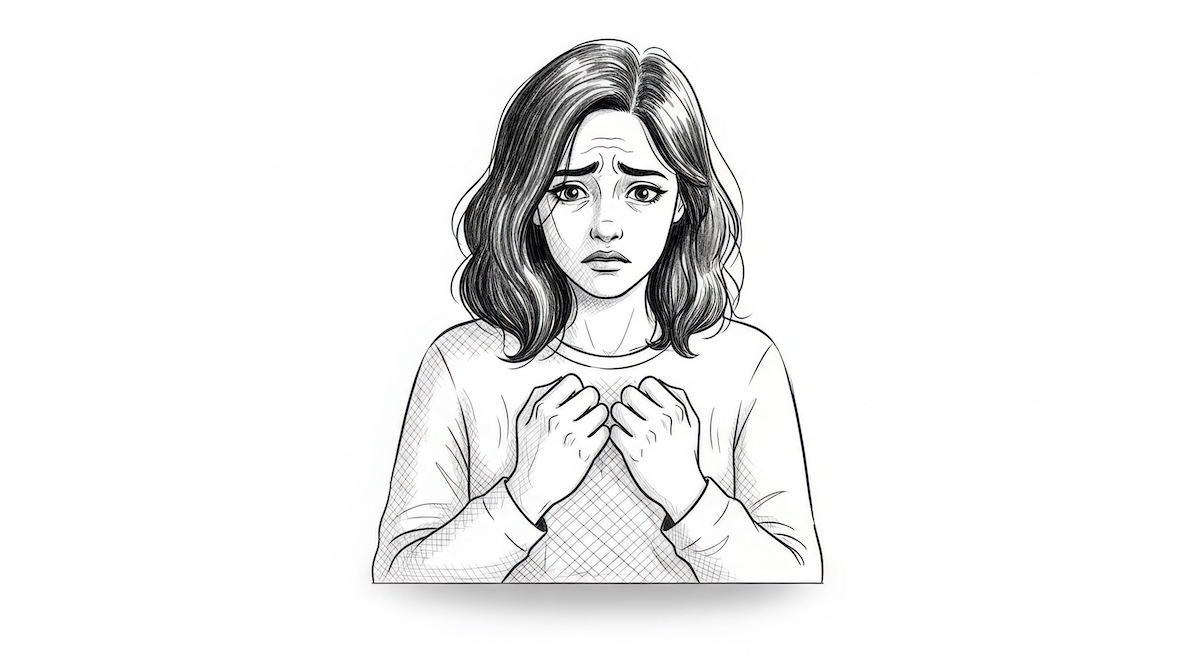
Ideally, your 20s should be an exciting chapter in life that offers opportunities for personal growth, freedom, and exploration. It’s a time when you’re building independence, navigating relationships, and trying to figure out who you are. However, sometimes your 20s might be a time in which you experience childhood trauma resurfacing in adulthood. Memories, emotions, and patterns that you thought were long behind you may sometimes crop up in unexpected ways at this age. If you find yourself wrestling with anxiety, relationship issues, or substance use, support is here for you. The Fullbrook Center offers trauma-informed treatment to women in their 20s who may be grappling with a resurgence of unwanted emotions or behaviors connected with wounds from the past.

Comprehensive Addiction Treatment Designed for Women
Why Childhood Trauma Resurfacing in Adulthood Often Happens in Your 20s
Your 20s potentially signify a period of intense energy and new beginnings. First-time experiences, such as moving out of your home, starting a new career or vocation, your first serious relationship, and new responsibilities you’ve never had before, are all common experiences undertaken in one’s 20s. While these firsts are expected and healthy, they may also trigger stress responses connected to childhood experiences. When the nervous system senses uncertainty, old survival patterns often kick in, and past trauma resurfacing may occur, even if the danger has passed.
The brain continues to develop during early adulthood, particularly in areas involved in emotional regulation and decision-making. Under stress, you may revert to coping strategies learned long ago (such as avoiding conflict, overworking, or shutting down emotionally). Social pressures and constant comparison on social media can intensify these struggles, amplifying feelings of inadequacy and self-doubt.
How Childhood Trauma Resurfacing in Adulthood Shapes Identity
Your 20s are a time to define your values, establish your boundaries, and set your goals. Trauma can complicate this process. If you grew up in chaotic or unpredictable environments, you may have learned to prioritize safety over self-expression. This can lead to second-guessing decisions, feeling disconnected from your own needs, or struggling to trust your instincts.
Many young adult women notice patterns like perfectionism, people-pleasing, or difficulty setting boundaries. Others may feel a persistent sense of emptiness or question who they really are beneath learned roles.
Healing involves:
- Recognizing childhood trauma resurfacing
- Separating your identity from past survival strategies
- Building a foundation rooted in safety, choice, and self-awareness
Dating and Relationships After Trauma
Dating in your 20s can be challenging, especially when trauma influences attachment and trust. Some people seek closeness quickly to feel secure, while others avoid intimacy to protect themselves from potential harm. You may overlook red flags to avoid being alone or find yourself in cycles of unhealthy relationships without fully understanding why.
Learning to identify emotional triggers and communicate boundaries is key. Practicing open conversations about needs and pacing relationships in a way that feels safe can help build healthier connections. Therapy can also provide tools to navigate dating while working through past wounds.
The Link Between Trauma and Substance Use
For many young adult women, alcohol or drug use can become a way to manage anxiety, numb painful memories, or feel more confident in social situations. While substances may provide temporary relief, they can worsen mental health over time. As tolerance builds, usage often increases, leading to mood swings, strained relationships, and a higher risk of dependency.
Recognizing when coping has turned into avoidance is an important step. If you find yourself drinking or using drugs to get through daily life, it may be a sign that deeper support is needed. Addressing both trauma and substance use together often leads to better long-term recovery than treating one without the other.

What Healing From Trauma Can Look Like in Your 20s
Learning how to deal with resurfacing trauma doesn’t mean forgetting the past. It means creating safety in the present and learning tools to regulate your mind and body. Trauma therapies can help you understand patterns, process memories, and build healthier coping strategies.
Effective approaches may include:
- Trauma-focused cognitive behavioral therapy (CBT) to shift unhelpful thought patterns
- EMDR (Eye Movement Desensitization and Reprocessing) to reduce emotional distress from traumatic memories
- Somatic techniques to help release tension stored in the body
- Group therapy to build connections and learn from others with similar experiences
Building supportive daily routines (such as getting enough rest, practicing mindfulness, and connecting with trusted friends) also plays a powerful role in healing. Small, consistent steps create stability over time.
How The Fullbrook Center Can Help
If you find childhood trauma is hitting in early twenties, the team at The Fullbrook Center fully understands. We specialize in supporting young women navigating trauma, identity challenges, and substance use. Our trauma-informed approach prioritizes safety, choice, and collaboration at every stage of the process. We understand how overwhelming this stage of life can feel, and we meet you where you are.
Our women-focused programs include individual therapy, group sessions, and holistic treatments designed to address both emotional well-being and physical health. We also provide support for co-occurring substance use and mental health concerns, ensuring that you receive care tailored to your unique needs.
You do not have to endure reliving trauma twenty years later on your own. With the right tools and compassionate support, it is possible to build healthier relationships, strengthen your sense of identity, and move toward a future grounded in resilience.
FAQs About Childhood Trauma Resurfacing in Adulthood
What are the early signs that childhood trauma is resurfacing in adulthood?
Early signs of childhood trauma resurfacing in adulthood are often subtle and easily overlooked. You might feel sudden waves of anxiety, find yourself avoiding certain situations without knowing why, or notice strong emotional reactions that do not match what is happening in the moment. These early shifts can be the first clues that your nervous system is responding to unresolved experiences.
Can childhood trauma resurface in adulthood without specific memories returning?
Yes. Trauma is stored not only in the mind but also in the body. Even if you cannot recall exact events, your nervous system can still respond to reminders of past stress. This can show up as tension, panic, numbness, or emotional flooding without a clear cause.
Is it normal for trauma to resurface during major life changes in your 20s?
Absolutely. Big transitions (like moving out, starting a new job, or forming serious relationships) can unsettle your sense of safety and control. For many people, these shifts activate old coping patterns and bring buried feelings to the surface.
How do I know when to seek professional help?
If resurfacing trauma is affecting your relationships, daily responsibilities, or overall well-being, reaching out for help can make a big difference. A therapist trained in trauma-informed care can help you understand what you are experiencing, provide coping strategies, and create a safe space to process what comes up.
Can childhood trauma resurfacing in adulthood be fully healed?
While the memories themselves may not disappear, healing is possible. Over time, your brain and body can learn new responses to old triggers. With the right therapy and support for childhood trauma resurfacing in adulthood, it is possible to reduce emotional intensity, build healthier patterns, and create a stronger sense of safety and stability.