
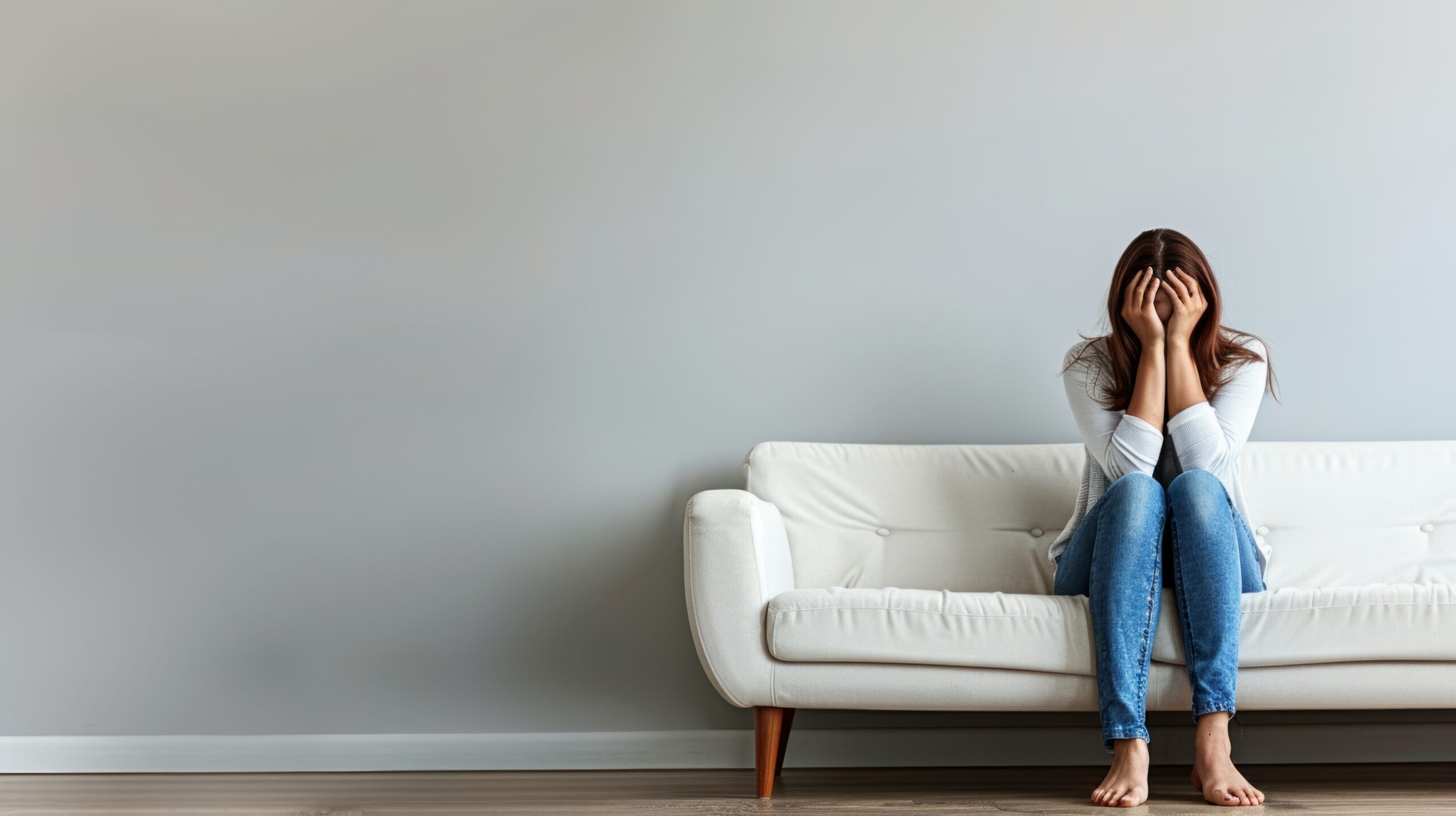
Anxiety can show up in women in ways that are easy to overlook or misinterpret. Many women live with anxiety for years without realizing it is a mental health condition. Some dismiss their symptoms as stress or fatigue, while others hide their feelings out of fear or shame.
Learning how anxiety presents in women is an important step toward understanding your mental health and getting the support you need. In this article, we’ll explore the most common signs and symptoms of anxiety in women, from physical changes to emotional distress, and when it’s time to reach out for help.

Comprehensive Addiction Treatment Designed for Women
Common Physical Anxiety Symptoms in Women
While anxiety starts in the mind, it often shows up in the body. Many women feel the physical effects of anxiety before they realize what’s causing them. These symptoms can be uncomfortable, frightening, and sometimes mistaken for other health issues.
Some of the most common physical signs of anxiety in women include:
- A racing heart or chest tightness
- Shortness of breath or shallow breathing
- Muscle tension, clenched jaw, or headaches
- Upset stomach, nausea, or digestive problems
- Dizziness, trembling, or feeling faint
- Trouble falling asleep or staying asleep
- Unexplained fatigue or low energy
Physical symptoms may come and go, or they may be constant. They can feel overwhelming, especially when paired with emotional stress.
Emotional and Psychological Signs of Anxiety in Women
Anxiety often brings intense emotional reactions and thoughts that are hard to manage. Women may feel like they’re constantly on edge or waiting for something bad to happen. Over time, this can affect self-esteem, relationships, and the ability to function day to day.
Emotional anxiety symptoms in women may include:
- Persistent worry, even about small or unlikely problems
- Feeling nervous, jumpy, or easily startled
- Trouble concentrating or a “foggy” mind
- Irritability or frequent mood swings
- Restlessness or a constant need to stay busy
- Fear of losing control or going “crazy”
- Feelings of dread or panic, especially in certain situations
These symptoms can make it hard to relax or enjoy life, even when nothing obvious is wrong.
Behavioral Changes Caused by Anxiety in Women
Anxiety changes not just how women feel but also how they act. Some will avoid anxiety triggers, while others become perfectionistic or overly controlling to feel safe. These coping behaviors are often misunderstood by others and can cause relationship conflicts.
Common behavioral signs of anxiety in a woman include:
- Avoiding people, places, or activities out of fear
- Repeating actions or rituals (like checking or cleaning) to reduce worry
- Withdrawing from friends, family, or social situations
- Overcommitting or staying overly busy to distract from anxious thoughts
- Trouble making decisions or second-guessing everything
- Using food, alcohol, or other substances to cope
Over time, these behaviors can lead to isolation, burnout, and more intense anxiety. Identifying anxiety symptoms in women can lead to early intervention and improved health and life satisfaction.
Life Factors That Affect Anxiety Symptoms in Women
Women often face unique stressors that can trigger or worsen anxiety. Hormonal changes, caregiving roles, trauma, and social expectations all play a role. For example, anxiety may increase during major life transitions like:
- Puberty or hormonal shifts
- Pregnancy or postpartum periods
- Perimenopause or menopause
- Divorce, loss, or financial stress
- Childhood or adult trauma, including emotional or physical abuse
Because of these added pressures, many women carry anxiety for years before realizing it’s a treatable condition, not something they just have to “manage” on their own.
Types of Anxiety Disorders That Commonly Affect Women
There are different forms of anxiety, and women may experience more than one at the same time. Each disorder has its own set of symptoms and triggers.
Some of the most common anxiety disorders in women include:
- Generalized Anxiety Disorder (GAD): A sense of ongoing worry about daily issues, even when there’s no clear reason
- Panic Disorder: Sudden, intense panic attacks with physical experiences like chest pain, dizziness, or choking sensations
- Social Anxiety Disorder: A fear of being judged, embarrassed, or rejected in social situations
- Obsessive-Compulsive Disorder (OCD): Experiencing unwanted thoughts or urges followed by repetitive actions
- Post-Traumatic Stress Disorder (PTSD): An ongoing anxiety caused by past trauma, including abuse, assault, or accidents
Identifying which type of anxiety is present can help guide treatment and recovery.
Receiving the right care makes all the difference. If you are experiencing a mental health and substance use issue, our dual diagnosis treatment for women in Texas can help you map out a plan for healing. Recovery is possible.
When to Seek Help for Anxiety Symptoms in Women
It’s normal to feel anxious sometimes. But when anxiety affects your health, relationships, or daily functioning, it’s time to get support. You don’t need to wait until you feel completely overwhelmed.
Signs it’s time to seek professional help include:
- Symptoms that last for more than a few weeks
- Anxiety that interferes with work, school, or family life
- Constant fear or worry that feels uncontrollable
- Physical symptoms without a clear medical cause
- Avoiding important situations or isolating yourself
- Using unhealthy coping methods like substance use
Talking to a therapist or mental health provider can help you find relief and better understand your symptoms.

Trusted Support for Women with Anxiety
At The Fullbrook Center, we specialize in helping women heal from anxiety, trauma, and related mental health concerns. We know that anxiety often stems from deep emotional pain or past experiences, and we approach treatment with compassion and understanding.
Our trauma-informed programs provide a safe space for women to explore their experiences, build emotional resilience, and develop healthier coping strategies. Whether you’re dealing with long-term anxiety or new symptoms after a major life event, our team can create a personalized plan to help you move forward.
You don’t have to go through this alone. Healing is possible, and we’re here to help you make a fresh start.
Identifying Signs & Symptoms of Anxiety in Women
Anxiety can affect every part of a woman’s life, her body, emotions, thoughts, and relationships. But the good news is that it doesn’t have to stay that way. Early recognition of anxiety symptoms in women helps them take back control and find the support they deserve.
If you or someone you love is showing signs of anxiety, The Fullbrook Center is here to provide expert care in a safe and supportive environment. Reach out today to begin your healing journey.
FAQs About Anxiety Signs and Symptoms in Women
Can anxiety in women cause changes in appetite or weight?
Yes, anxiety can lead to changes in eating habits. Some women may lose their appetite or skip meals due to stress, while others may turn to emotional eating for comfort. These changes can result in noticeable weight loss or weight gain over time.
Do anxiety symptoms in women get worse during certain times of the month?
Hormonal fluctuations during the menstrual cycle, especially before menstruation (PMS), can worsen anxiety symptoms in some women. Increased irritability, mood swings, and physical tension may appear or intensify during this time.
How does anxiety affect a woman’s ability to parent or care for others?
Anxiety can make it harder for women to manage daily caregiving tasks, especially if they are overwhelmed, fatigued, or emotionally drained. It may lead to irritability, impatience, or a feeling of guilt for not being “present” enough with children or loved ones.
Can anxiety cause memory problems or confusion in women?
Yes, anxiety can impact memory and focus. Women with anxiety often report forgetfulness, difficulty concentrating, or mental fog, especially when their minds are racing or they’re experiencing high stress.
Are there signs of anxiety in women that only appear in social or work environments?
Absolutely. Some women experience anxiety only in specific settings, such as during meetings, presentations, or social gatherings. Signs may include blushing, freezing up, avoiding eye contact, or excessive self-monitoring in group situations.
How can I tell the difference between stress and anxiety symptoms in women?
While stress is usually a response to a specific event or pressure, anxiety tends to be more ongoing and not always tied to a clear cause. Anxiety can persist even when the stressful situation is over and often comes with physical and emotional symptoms that interfere with daily living.
Can anxiety in women be mistaken for a physical illness?
Yes. Because anxiety can cause symptoms like chest pain, dizziness, digestive issues, or numbness, it can sometimes be mistaken for conditions like heart problems or gastrointestinal disorders. It’s important to consult both medical and mental health professionals to rule out underlying causes.

Pictured here is Lilly, the “main doggo” here at The Fullbrook Center. She didn’t actually write this page, but we let her take the credit. Learn more about our talented team, our treatment facility, our approach, and who our clients are. And if you’re interested in healing from substance abuse and trauma, we’d love to hear from you; please drop us a line.