
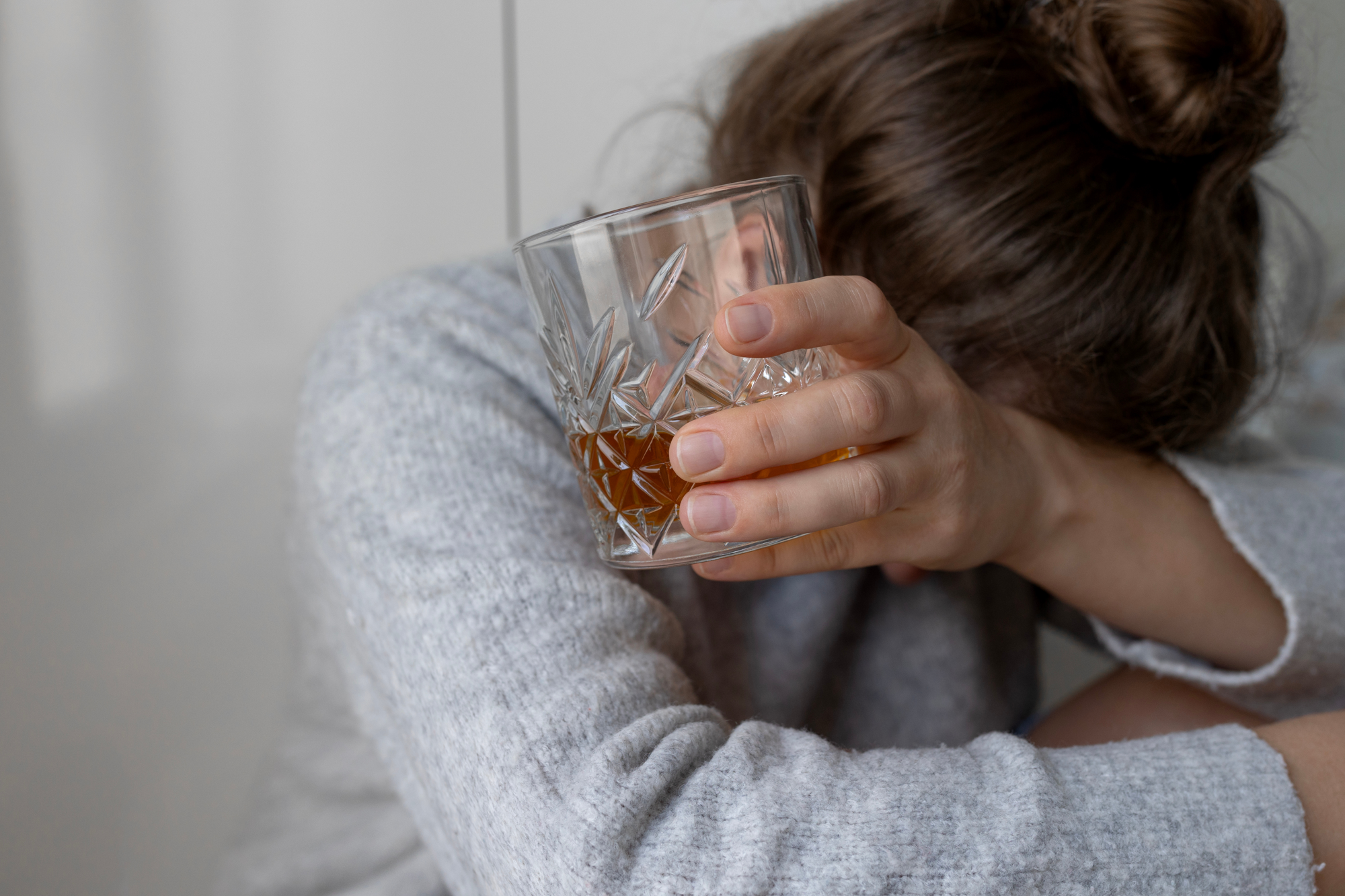
Quick Answer: If you are asking, “Am I an alcoholic?”, the key issue is whether alcohol has become difficult to control or continues despite harm. The clinical term is alcohol use disorder (AUD), which can be mild, moderate, or severe. Common signs include drinking more than intended, failed attempts to cut back, cravings, alcohol withdrawal symptoms, or continued drinking despite health, relationship, work, or emotional consequences.

Comprehensive Addiction Treatment Designed for Women
What Does It Mean to Ask “Am I an Alcoholic?”
Asking “Am I an Alcoholic?” often means you are noticing a shift in your relationship with alcohol. Maybe drinking no longer feels fully voluntary. Maybe it has become part of how you sleep, cope, socialize, recover from stress, or quiet your thoughts.
Many professionals now use the term “alcohol use disorder” instead of “alcoholism.” Alcohol use disorder describes a pattern where alcohol becomes difficult to stop or control, even when it causes problems in health, relationships, work, safety, or emotional well-being.
What Are the Most Common Signs of Alcoholism?
The signs of alcoholism can look different from woman to woman, but they often involve loss of control, secrecy, cravings, and continued drinking despite consequences. Some signs are easy to explain away at first, especially when life still looks stable from the outside.
Common signs may include:
- Drinking more than planned: You intend to have one or two drinks, but often end up drinking more.
- Trying to cut back without success: You make rules for yourself, then feel discouraged when they do not last.
- Craving alcohol: You think about drinking often or feel restless until you can drink.
- Hiding or minimizing drinking: You downplay how much you drink or avoid being honest about it.
- Drinking to cope: Alcohol becomes a way to manage stress, anxiety, trauma, sadness, or emotional exhaustion.
- Continuing despite consequences: You keep drinking even when it affects your health, relationships, safety, or peace of mind.
Can I Have Alcohol Use Disorder if I Still Seem Functional?
Yes. Alcohol use disorder can be present even when a woman is still working, parenting, managing responsibilities, or appearing composed to others. Functioning can hide pain for a long time, especially when a woman has learned to stay reliable no matter what she is carrying.
This is one reason alcohol problems in women may be missed or minimized. A woman may still be showing up for others while privately feeling anxious, ashamed, physically unwell, or dependent on alcohol to get through the evening.
Women can also experience alcohol-related harm at lower levels of drinking than men. Because of biological differences in how alcohol is processed, the same amount of alcohol may have a stronger effect on a woman’s body, which makes it important to take changes in drinking seriously, even when the pattern does not look extreme.
You may still need support if alcohol has become part of how you transition from work to home, fall asleep, handle conflict, quiet trauma symptoms, or avoid feelings that feel too heavy to face directly.
Am I Drinking Too Much if I Only Drink at Night or on Weekends?
You may be drinking too much even if you only drink at night, on weekends, or during socially acceptable moments. The timing matters less than what happens when you drink, how much control you feel, and how alcohol affects the rest of your life.
Some women rarely drink in the morning or never miss work but still feel trapped by the pattern. Others drink heavily on weekends, then spend the next day feeling anxious, ashamed, physically sick, or emotionally disconnected.
This is where honest self-reflection can help. If you find yourself waiting for the moment you can drink, drinking faster than others, needing alcohol to relax, or repeatedly promising yourself you will stop and then drinking again, the pattern deserves attention.
What Alcohol Withdrawal Symptoms Should Women Take Seriously?
Alcohol withdrawal symptoms can happen when your body has become used to regular alcohol use and then alcohol is reduced or stopped. Withdrawal can be uncomfortable, frightening, and in some cases medically dangerous.
This is one reason it is important to think about safety before trying to quit suddenly, especially if you have been drinking heavily or daily.
Alcohol withdrawal symptoms may include:
- Shaking or tremors: Your hands or body may shake after alcohol wears off.
- Sweating or nausea: You may feel sick, clammy, or physically unsettled.
- Anxiety or panic: Your nervous system may feel intensely activated.
- Sleep problems: You may struggle to fall asleep or wake throughout the night.
- Irritability or mood swings: Emotions may feel harder to regulate.
- Increased heart rate: Your body may feel like it cannot settle.
- Confusion, hallucinations, or seizures: These are serious symptoms that need immediate medical attention.
If you are worried about withdrawal, it is safer to speak with a medical professional before stopping suddenly. The Fullbrook Center’s detox program helps women begin recovery with monitoring, compassion, and physical stabilization.
How Can Trauma Affect a Woman’s Relationship With Alcohol?
Trauma can make alcohol feel like relief before the pattern becomes painful. For some women, drinking becomes a way to soften memories, numb fear, quiet shame, fall asleep, or create distance from pain that has never felt safe to face.
The Fullbrook Center treats addiction and trauma together because they are often deeply connected. When treatment focuses only on stopping alcohol, the deeper emotional pain may remain active and continue pulling a woman back toward the same cycle. Healing can begin when both parts, the drinking pattern and the pain underneath it, are supported.

What Should I Do if I Think I May Be an Alcoholic?
If you think you may be an alcoholic, start with honesty and safety. You do not have to diagnose yourself, but you can notice what alcohol is doing in your life and ask for support from someone who understands addiction.
A gentle first step is to look at the pattern without minimizing it. You might ask yourself how often you drink more than planned, whether you feel anxious or physically sick when you stop, whether you hide alcohol, or whether drinking has become your main way to cope.
If the answers feel familiar, professional support may help you step out of the cycle with structure and dignity. Treatment can also help you understand whether detox, residential care, PHP, IOP, therapy, or another level of support may fit your needs.
How Can the Fullbrook Center Help Women Struggling With Alcohol and Addiction?
The Fullbrook Center helps women heal from substance abuse, alcohol use disorder, trauma, and co-occurring mental health concerns in a safe, women-only environment. Our care is designed to support both stabilization and deeper emotional healing.
Every woman’s needs are different, so treatment may involve varying levels of support based on safety, symptoms, history, and clinical recommendations.
Fullbrook offers:
- Detox: Medical support for women who need help stabilizing safely before deeper treatment begins.
- Residential treatment: A structured, supportive setting where women can step away from daily triggers and focus on healing.
- Partial Hospitalization Program: Strong clinical support with more flexibility as women continue therapeutic work.
- Intensive Outpatient Program: Ongoing care for women who are building recovery while returning to daily life.
- Trauma-informed care: Support that recognizes how trauma, the nervous system, and substance use can connect.
- Dual diagnosis support: Care for women facing addiction alongside anxiety, depression, PTSD, or other mental health concerns.
If you are asking, “Am I an alcoholic?” Fullbrook offers solutions with care that is built around safety, honesty, and respect for your pace. If alcohol has started to feel bigger than you can manage alone, a private conversation can help you understand what support may look like.
FAQs About Drinking and Alcohol Use Disorder
Am I an alcoholic if I only drink socially?
Drinking socially does not automatically mean you have alcohol use disorder, but the setting matters less than the pattern. If you find it hard to stop once you start, feel anxious when you cannot drink, drink more than you planned, or rely on alcohol to feel comfortable in social situations, those signs deserve attention regardless of where or with whom you drink. What matters is how much control you feel and how alcohol is affecting the rest of your life.
How many drinks per week is too much for a woman?
The National Institute on Alcohol Abuse and Alcoholism defines heavy drinking for women as 4 or more drinks on any day or 8 or more drinks per week. Drinking below that amount can still be concerning if alcohol feels difficult to control, causes consequences, or becomes your main way to cope.
What is the difference between a heavy drinker and an alcoholic?
Heavy drinkers may consume alcohol at levels that increase health risks, while alcohol use disorder involves impaired control, cravings, continued use despite harm, or withdrawal symptoms. Some heavy drinkers develop AUD, but the key issue is not only how much you drink, but also how alcohol is affecting your life.
Can you recover from alcohol use disorder?
Yes. Many people recover from alcohol use disorder with the right combination of support, treatment, therapy, medical care, relapse prevention, and community. Recovery may look different for each woman, but healing is possible with care that addresses both alcohol use and the deeper pain connected to it.
Should I stop drinking on my own?
If you drink heavily, daily, or have alcohol withdrawal symptoms, it may not be safe to stop suddenly without medical guidance. Speaking with a medical professional or treatment provider can help you understand the safest next step.
When should I get help for alcohol use?
You should consider getting help when alcohol feels hard to control, when you have tried to cut back and cannot, or when drinking is affecting your body, emotions, relationships, or daily life. Support can begin before things become severe.