
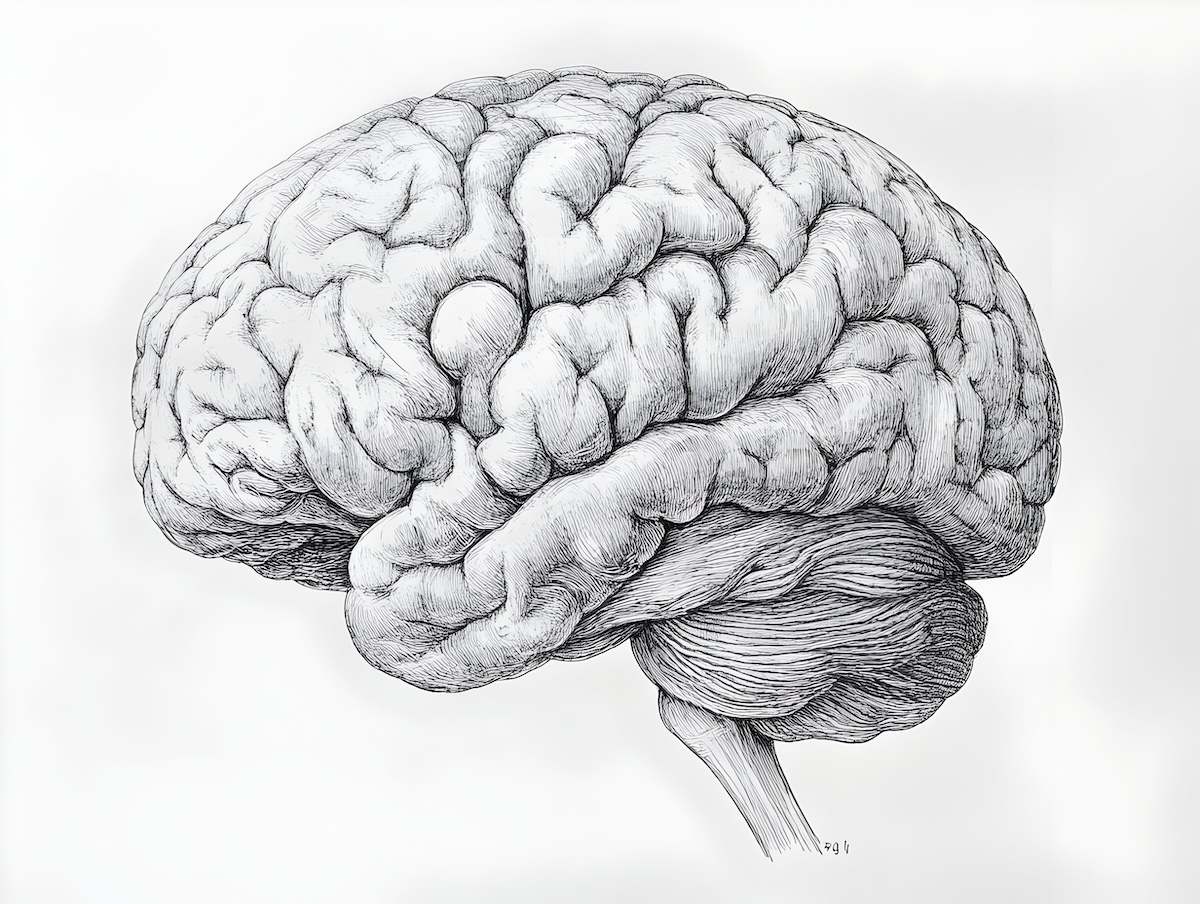
Gabapentin is a prescription medication often used to treat conditions such as nerve pain, seizures, and restless leg syndrome. It can be effective when taken as prescribed; however, since it affects the central nervous system, it may carry potential health risks, especially for women. In fact, the side effects of gabapentin in women are worth noting. From withdrawals to pregnancy concerns, this guide walks you through how this drug may impact women’s health.

Comprehensive Addiction Treatment Designed for Women
Gabapentin Addiction in Women: Risks and Warning Signs
Gabapentin is not classified as a controlled substance at the federal level, but misuse and dependence can occur. Women who use gabapentin for long periods or at higher doses than prescribed may develop tolerance, meaning they need more of the medication to achieve the same effect. This can lead to psychological dependence and, in some cases, physical reliance and gabapentin addiction.
Combining this drug with other substances, such as opioids, alcohol, or sedatives, can increase the risk of misuse and dangerous side effects of gabapentin in women. It is essential to take gabapentin exactly as directed by a healthcare provider and to discuss any concerns openly.
Common Gabapentin Side Effects in Women
This prescription affects everyone differently, but women may experience several common side effects gabapentin for women may have, including:
- Dizziness or drowsiness.
- Fatigue and weakness.
- Swelling in the legs or feet.
- Blurred vision.
- Weight gain or changes in appetite.
- Difficulty concentrating or slowed thinking.
Some women may also experience mood changes, irritability, or gastrointestinal issues such as nausea and constipation. While many side effects are mild, sudden or severe changes should always be reported to a medical provider.
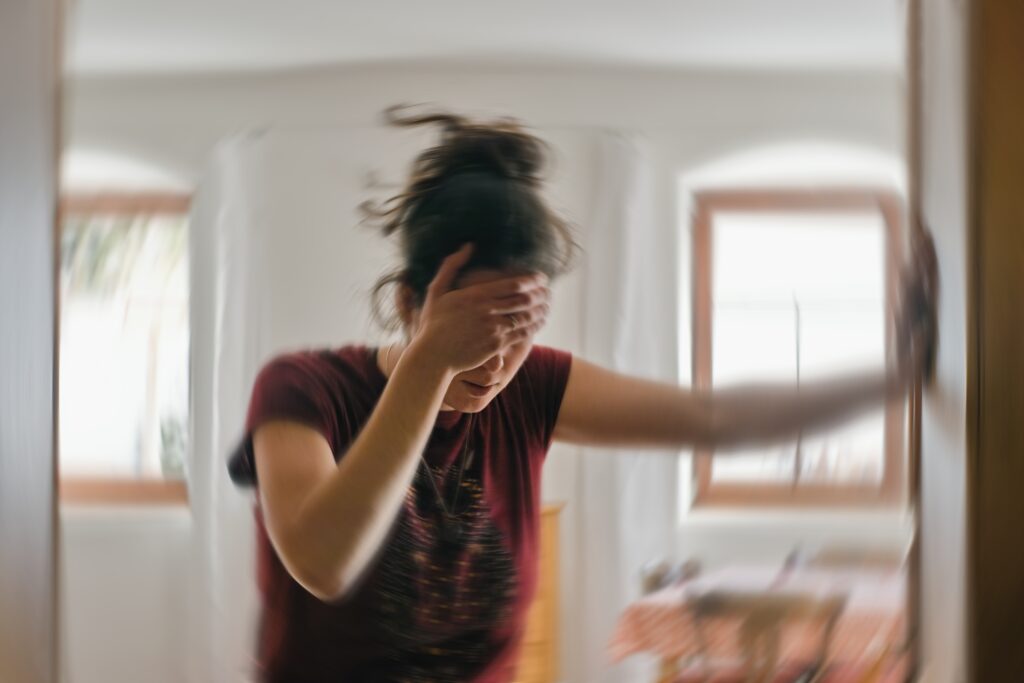
Gabapentin Withdrawal Symptoms in Women and How to Manage Them
Stopping this medication abruptly (especially after long-term or high-dose use) can lead to gabapentin withdrawal symptoms, which may include:
- Anxiety or restlessness.
- Trouble sleeping.
- Sweating and nausea.
- Headaches and dizziness.
- Irritability or mood swings.
- In rare cases, seizures.
It’s also critical to know that withdrawal symptoms from gabapentin in women who are pregnant, breastfeeding, or managing other chronic conditions could cause harmful health complications. Therefore, the safest approach is to taper off gabapentin gradually under medical supervision to avoid severe withdrawal effects.
The Link Between Gabapentin and Mental Health in Women
Gabapentin can impact mood and emotional well-being. Some women report relief from anxiety and improved sleep when taking gabapentin, but others may experience negative changes, such as:
- Worsening depression or new depressive symptoms.
- Increased irritability or agitation.
- Emotional numbness or difficulty focusing.
- Rare thoughts of self-harm or suicidal ideation.
Because this drug alters how the brain processes signals, it’s essential to monitor gabapentin mental health outcomes. Observe emotional changes closely while using this medication and report any concerns to a healthcare provider.
Special Considerations With Gabapentin in Pregnancy and Breastfeeding
If you may become pregnant, are pregnant, or are breastfeeding, talk with your clinician before starting or stopping gabapentin. Current evidence does not show a clear increase in major birth defects with early pregnancy exposure, but data are limited. Some studies note higher rates of preterm birth or low birth weight, which may relate to the underlying condition or other medicines. Late-pregnancy exposure to opioids has been linked to neonatal withdrawal. During breastfeeding, small amounts of the substance enter the milk, and most reports indicate few problems; however, babies should be monitored for unusual sleepiness or feeding issues. Decisions should weigh the benefits of symptom control for the mother against the potential risks to the baby.
How The Fullbrook Center Helps Women Struggling With Gabapentin
The Fullbrook Center supports women who are experiencing challenges related to gabapentin use, whether it involves side effects, dependence, or withdrawal. Our approach begins with a thorough medical evaluation to understand your unique situation and goals. If tapering off gabapentin is needed, we provide safe and supervised withdrawal management to make the process as comfortable as possible.
Beyond medical care, our Texas women’s addiction treatment center focuses on your overall well-being by creating personalized treatment plans that address both the physical and emotional sides of recovery. Our team also offers mental health support and counseling to help manage anxiety, depression, or other concerns that may arise during treatment.
With expert guidance and a compassionate environment, The Fullbrook Center helps women take control of their health and find lasting stability.
FAQs About Addiction Risks, Withdrawal, and Side Effects of Gabapentin in Women
How long do gabapentin side effects last in women?
Common side effects of gabapentin in women (such as dizziness, drowsiness, and blurred vision) improve after the body adjusts, usually within a few days to a couple of weeks. If side effects persist or worsen, consult your healthcare provider to review your dosage or explore alternative treatments.
Can gabapentin cause mood changes or anxiety in women?
Yes. While gabapentin can ease anxiety and improve sleep for some women, others may experience mood swings, irritability, or worsening depression. If you notice significant changes in your mood or mental health, speak with your provider right away.
Can pregnant women take gabapentin?
Pregnant women should only take gabapentin if their doctor determines the benefits outweigh the risks. If you are pregnant, planning to become pregnant, or breastfeeding, always discuss potential side effects and safer alternatives with your provider before starting or stopping gabapentin.
Does gabapentin cause hair loss in women?
Hair loss is not a common side effect of gabapentin in women. However, some women report increased shedding or thinning while taking the medication. If you notice changes in your hair health, consult with your healthcare provider to determine whether gabapentin may be contributing to these changes.
Does gabapentin cause weight gain in women?
Yes, weight gain can occur in some women, especially with higher doses or long-term use. This may result from fluid retention, changes in appetite, or fatigue-related inactivity. If weight gain becomes concerning, your provider can discuss strategies to manage it.
Does gabapentin cause loss of sex drive in women?
Some studies have shown that when taking gabapentin, sex drive in women may be affected. Some women report reduced libido or changes in sexual function while taking this medication. This may be related to the drug’s effect on the nervous system and mood regulation. If you experience changes in your sex drive, talk to your doctor about possible adjustments to your treatment plan.
How much is too much gabapentin for an elderly woman?
Gabapentin side effects in elderly women, especially those over 65, should use the drug with caution. Higher doses increase the risk of dizziness, confusion, falls, and breathing problems. Always follow your doctor’s instructions carefully and avoid adjusting your dose without consulting a medical professional.
What is the safest way for women to stop taking gabapentin?
Stopping gabapentin suddenly can cause withdrawal symptoms, including anxiety, nausea, sweating, insomnia, and, in rare cases, seizures. Women should never stop taking gabapentin without medical supervision. A gradual, supervised taper is the safest approach.