

Quick Answer: Common Ritalin side effects in women include reduced appetite, trouble sleeping, headaches, a faster heartbeat, and anxiety or irritability. Many women also notice the medication works less well in the week before their period, when estrogen drops. Long-term use can bring tolerance and misuse risk, and stopping suddenly can cause withdrawal symptoms like fatigue and low mood.

Comprehensive Addiction Treatment Designed for Women
What Is Ritalin, and Why Are More Women Taking It?
Ritalin is a brand name for methylphenidate, a stimulant prescribed mainly for ADHD and sometimes for narcolepsy. It increases dopamine and norepinephrine in the brain, which helps with focus, impulse control, and follow-through. It’s also a Schedule II controlled substance, like Adderall, because of its potential for misuse.
More adult women are being diagnosed with ADHD than ever before. Many spent years being told they had anxiety or depression, or simply that they needed to try harder, before anyone looked at attention.
Common Ritalin Side Effects in Women
Most Ritalin side effects in women show up in the first weeks and are often dose-related:
- Lower appetite, sometimes with weight loss.
- Trouble falling asleep, especially if a dose is taken late in the day.
- Headaches and stomachaches.
- A faster heartbeat or higher blood pressure.
- Anxiety, jitteriness, or irritability.
- A “crash” of tiredness, low mood or irritability as each dose wears off.
Many of these effects ease as your body adjusts. If they don’t, your prescriber may change the dose, timing, or formulation.
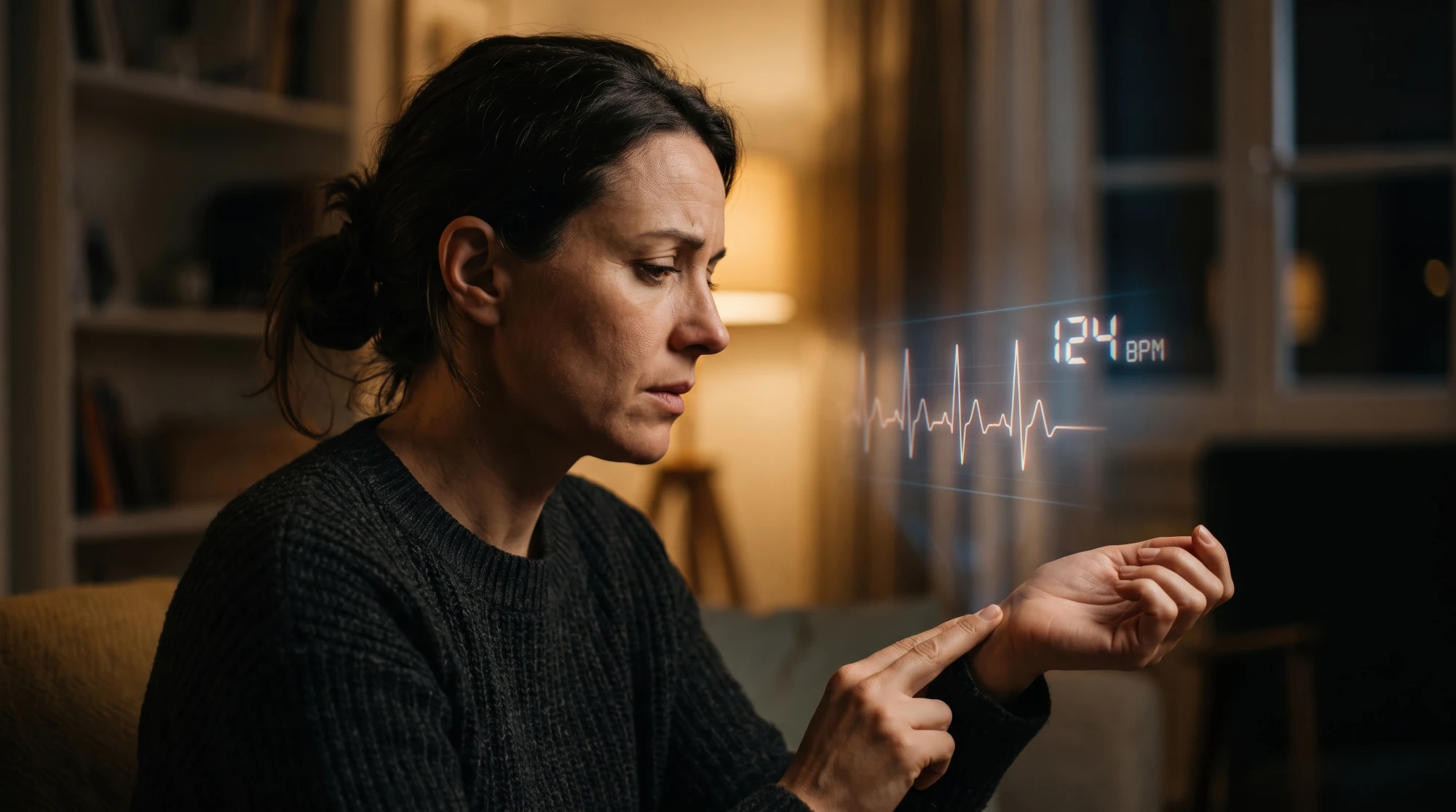
The Hormone Connection: How Your Cycle Changes How Ritalin Feels
Estrogen supports dopamine, the same brain chemical Ritalin works on. When estrogen is high, many women feel their medication working well. When it drops, ADHD symptoms can return, and side effects can feel stronger. Research is still early, but a 2023 study and a growing number of women’s own reports point to the same pattern.
The First Half of Your Cycle
Estrogen rises after your period, and many women find their focus, mood, and medication response at their best.
The Week Before Your Period
Estrogen falls. Inattention, irritability, low mood, and fatigue can spike, and your usual dose may feel like it’s barely working. Women with PMDD may notice this most.
After Giving Birth
Estrogen drops sharply after delivery, and many women report their ADHD symptoms get worse postpartum, right when sleep and support are hardest to come by.
Perimenopause and Menopause
As estrogen declines for good, many women notice more forgetfulness, distraction, and brain fog, sometimes for the first time.
If your medication seems to stop working at certain times of the month, don’t adjust the dose on your own. Track your symptoms for a few cycles and bring the pattern to your prescriber; some women benefit from a cycle-based plan. Taking extra on your own is one of the ways stimulant use slides toward misuse quietly.
Long-Term Side Effects of Ritalin
For many women, Ritalin is safe and helpful over the long run with regular check-ins. Still, the long-term side effects of Ritalin are worth knowing:
- Appetite and weight changes: a steady drop in appetite can lead to skipped meals, weight loss, or poor nutrition, which some women welcome at first and then struggle to reverse.
- Ongoing sleep problems, which can feed anxiety and low mood.
- Heart and blood pressure effects: your prescriber should check your heart rate and blood pressure regularly.
- Cold, numb or color-changing fingers and toes: stimulants can trigger or worsen Raynaud’s phenomenon, which is already more common in women.
- Anxiety and irritability that build over time, especially at higher doses.
- Tolerance: the same dose may feel less effective, which can lead to taking more.
Rarely, stimulants can trigger new psychotic or manic symptoms. Call your prescriber right away about any unusual thoughts, paranoia, or extreme mood changes.
Ritalin Withdrawal Symptoms: What Happens When You Stop
Ritalin isn’t dangerous to stop for most people, but stopping suddenly after regular or high-dose use can feel rough. Common Ritalin withdrawal symptoms include:
- Exhaustion and sleeping much more than usual
- Low mood, sometimes sharp
- Irritability or anxiety
- Increased appetite
- Vivid or unpleasant dreams
- Trouble concentrating, often worse than before you started
- Cravings to take it again
Symptoms usually start within a day or two and ease over one to two weeks, though low mood and fatigue can linger longer after heavy use. Your prescriber can help you taper or plan the timing.
If withdrawal brings thoughts of hopelessness or self-harm, call or text 988 right away.
When Ritalin Use Becomes Misuse
Misuse often starts with good intentions, like taking an extra pill to catch up at work, a higher dose during that hard week before your period, a few borrowed tablets during finals or a busy season. For some women, the appetite loss becomes part of the appeal. Others start using it to push through exhaustion from caregiving and work, then reach for wine or sleep aids to come down at night.
Signs that use is becoming a problem include running out early, taking it in ways it wasn’t prescribed (such as crushing or snorting), getting pills from others, needing it to feel normal, or relying on alcohol or sedatives to balance it out. Stimulants can also mask how drunk you are, which makes that combination especially risky.
If this sounds familiar, you’re not alone. Many women develop prescription drug addiction while trying to keep up with everything expected of them.

How Fullbrook Helps Women Struggling With Stimulants
Stimulant misuse in women rarely happens in a vacuum. It’s often tangled up with untreated ADHD, anxiety, depression, trauma, and the pressure to hold everything together. At The Fullbrook Center, we treat the whole picture in a women-only setting.
Depending on your needs, care can include:
- Residential treatment at our home in Fredericksburg, Texas.
- PHP and an intensive outpatient program in Kerrville, Texas, for women balancing recovery with work or family.
- Trauma-informed care that looks at what’s underneath the substance use.
- Treatment for co-occurring mental health conditions, including ADHD, anxiety, and depression, alongside recovery.
Get Clear on Your Next Step
You don’t have to choose between managing your ADHD and protecting your recovery. If Ritalin or another stimulant has started to feel out of control, a confidential call with our women-only admissions team can help you sort out what’s going on and what kind of support fits your life. When you’re ready, speak with our admissions team.
FAQs About Ritalin Side Effects in Women
Does Ritalin cause weight loss in women?
It can. Reduced appetite is one of the most common Ritalin side effects in women, and some women lose weight, especially early on. Eating a full meal before your morning dose can help. Using Ritalin for weight loss is misuse and carries real risks.
Is Ritalin addictive?
Ritalin has a real potential for misuse and addiction, especially when taken in higher doses or in ways it wasn’t prescribed. Taken as prescribed for ADHD, with regular follow-up, the risk is lower.
Is Ritalin different from Adderall?
Yes. Ritalin is methylphenidate, and Adderall is an amphetamine. Both are stimulants with similar side effects and the same controlled-substance status, but some women respond better to one than the other.
Can I take Ritalin while pregnant or breastfeeding?
Talk with your prescriber and OB before making any changes. Research is limited about the Ritalin side effects in women, and the decision to take it depends on how much ADHD affects your daily life and safety. Don’t stop or restart on your own without a plan.