

Quick Answer: When considering how to quit kratom, the best approach entails a plan made alongside a healthcare provider, who can help you decide whether to taper slowly or stop with medical support, especially if you use daily or take 7-OH. From there, recovery from kratom is more sustainable when you plan ahead for cravings and get care for the pain, stress, or trauma that kratom was helping you manage.

Comprehensive Addiction Treatment Designed for Women
You may have started taking kratom for pain, energy, stress, or simply to get through a difficult period. Now, you might notice you need it more often than you intended, or that going without it feels harder than expected.
Deciding to stop takes courage, and wondering how to quit kratom without your whole life falling apart is completely understandable. The good news is you don’t have to change everything at once, and with the right plan, each step can feel more manageable.
What Are the First Steps to Quitting Kratom?
Quitting tends to go more smoothly when your plan fits around your health, your responsibilities, and the moments when you usually reach for kratom.
You can begin with four practical steps:
1. Agree on a starting point.
Work with your healthcare provider to decide when and how you’ll begin cutting back or stopping. If you use daily or take 7-OH, medically supervised detox can help you get through the first days safely.
2. Plan your follow-up.
Decide how you’ll check in on your progress, and keep a simple record of sleep, mood, cravings, and physical symptoms. An intensive outpatient program can give you that regular support while you keep up with work and family.
3. Notice your usual kratom routines.
Pay attention to when you tend to use it, whether that’s before work, during a stressful afternoon, or at bedtime. Trauma-focused therapy can help you understand what those moments are really asking for.
4. Decide what to do if things get hard.
Know who you’ll call if symptoms worsen or cravings feel overwhelming, and avoid easing them with alcohol, opioids, or sedatives on your own. Our admissions team is available 24/7 if you need someone to talk to.
Expect your plan to shift along the way, since needing more support at some point is part of the process, not a sign that you’ve failed.

How Do You Prepare to Quit Kratom Safely?
Before you stop taking kratom, it helps to give your healthcare provider a clear picture of your current use. Kratom products vary considerably in strength, and understanding what you’ve been taking can help guide decisions about withdrawal management and ongoing care.
If you’re preparing for an appointment about how to quit kratom, consider bringing the following information:
- Products you’re using: Bring the packaging or photos of the labels, including powders, capsules, extracts, and concentrated 7-OH products.
- Your current routine: Share how much you take, how frequently you use it, and how long you’ve been taking it.
- Previous attempts to stop: Describe any withdrawal symptoms, cravings, or difficulties you’ve experienced when cutting back.
- Other medications or substances: Include prescriptions, supplements, alcohol, and other substances that could affect your treatment.
- Why you started using kratom: Whether it was for chronic pain, anxiety, fatigue, or another concern, this context matters when planning what comes next.
How Do You Taper Off Kratom Safely?
Learning how to taper off kratom is less about following a set schedule and more about finding a pace your body can handle. Your provider can consider how much you use, your health history, and how past attempts went. Because products vary so much in strength, they may suggest measuring doses carefully or switching to one consistent product before cutting back.
A plan may also need adjustments along the way. If withdrawal symptoms interfere with sleep or daily functioning, or you’re struggling to follow the agreed reduction, your provider can reassess the approach. For some women, that may mean more frequent monitoring or additional treatment rather than continuing a reduction that has become difficult to manage.
If you’re still weighing gradual reduction against stopping completely, understanding kratom withdrawal symptoms and how they differ between individuals can help you prepare for that discussion.
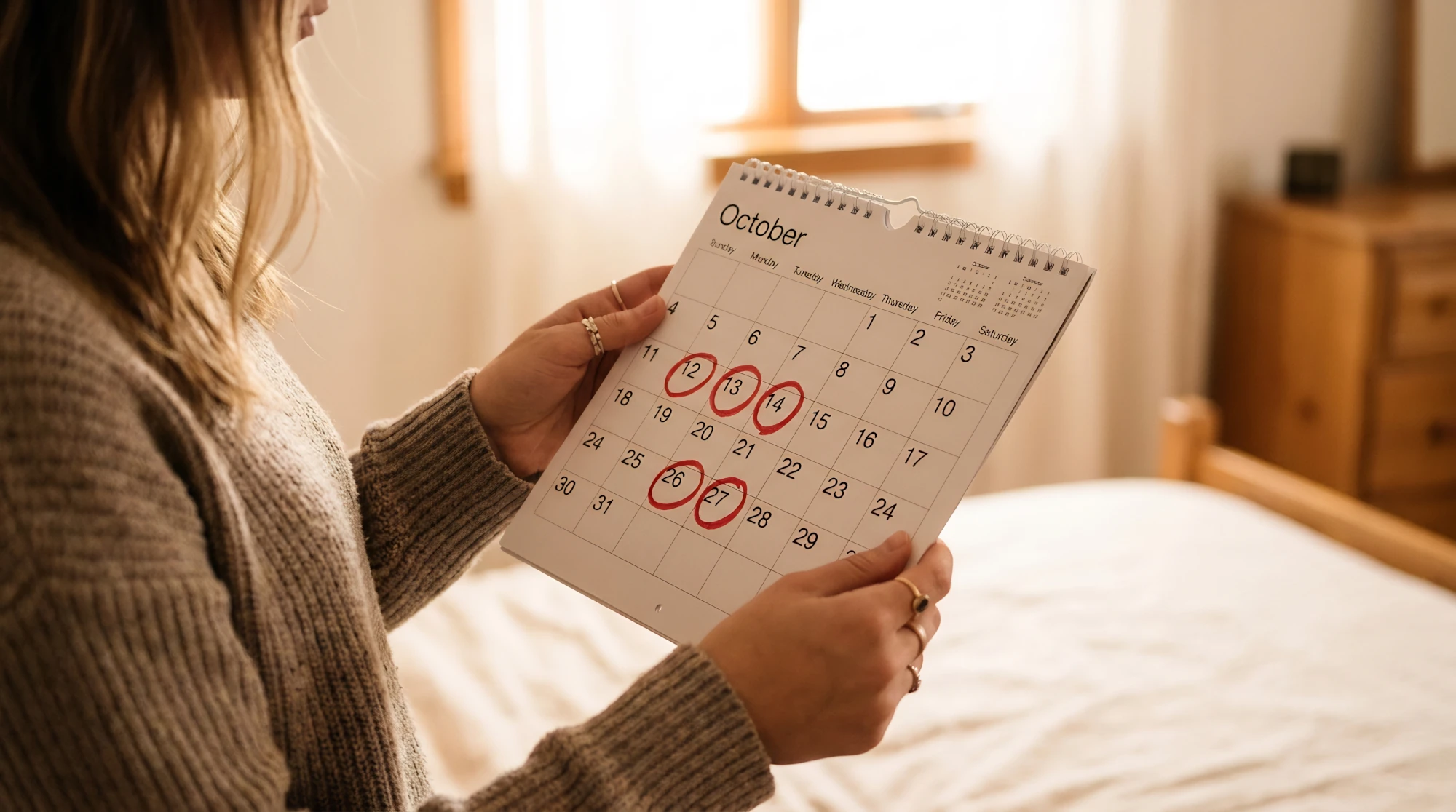
When Do You Need Medical Help to Quit Kratom?
Medical treatment may be helpful when physical dependence is significant, previous attempts have been difficult, or other health concerns complicate stopping. This is especially relevant for women using concentrated 7-hydroxymitragynine (7-OH) products, which can produce stronger opioid-like effects and potentially more difficult withdrawal.
Toxicology experts recommend working with an addiction specialist when stopping 7-OH. While no medication is approved specifically for kratom, some doctors use buprenorphine to ease withdrawal in certain cases, which is a decision you and your care team can make together.
Medical supervision is particularly important if you’re also physically dependent on alcohol or benzodiazepines. Withdrawal from those substances can cause serious complications, including seizures, and may require a different level of care.
How Do You Manage Kratom Cravings After Quitting?
You might go weeks feeling steady, then a hard day at work or a flare of old pain brings a sudden pull toward kratom. Kratom cravings after quitting often work this way, showing up in the moments that kratom used to help you get through.
These moments are easier to navigate when you have a plan in place before the craving appears.
- Notice what happens before the urge: Perhaps cravings become stronger after a difficult conversation, during a long workday, or when you’re struggling to sleep. Recognizing these patterns can help you understand what you’re responding to and prepare for similar situations.
- Give yourself another way to respond: Changing your surroundings, contacting someone you trust, or stepping away from a stressful situation may help you move through an urge. You can also revisit the strategies you’ve discussed with a therapist or recovery professional.
- Review difficult days without judgment: If you experience a particularly strong craving, consider what made that day different. Were you in pain, exhausted, overwhelmed, or feeling isolated? These details can help you and your treatment team identify where your recovery plan may need more support.
What Helps You Stay Off Kratom Long Term?
If kratom was helping you cope with pain, stress, or exhaustion, those feelings don’t disappear when you stop, and for many women, they feel even louder at first. Lasting recovery means giving those needs real care, so you’re healing what’s underneath instead of just going without.
Pain management may involve working with a medical professional to explore other treatments, while ongoing anxiety, depression, or trauma-related symptoms may benefit from counseling or specialized mental health care. When substance use and emotional health concerns overlap, dual diagnosis treatment can help address both.
Recovery may also change as your needs change. A routine that feels manageable during the first month might need adjustments when work becomes stressful or an old source of pain returns. Continuing care, supportive relationships, and an understanding of the connection between trauma and addiction can help you navigate those changes without relying on kratom for relief.
What if You’ve Tried to Quit Kratom Before?
Starting over can feel discouraging, especially when withdrawal, cravings, or returning pain pulled you back last time. Often, it isn’t about willpower but about having the right structure and support around you, and our kratom addiction treatment for women is designed to give you both.
Some women begin with our medically supervised detox in Fredericksburg, while others who need to keep working or caring for family start with day or evening programs at our Kerrville location. Wherever you begin, you’ll be surrounded by women who understand what it takes to keep going.
FAQs About How to Quit Kratom
Should you quit kratom if you're pregnant?
Kratom use during pregnancy is not considered safe, and prenatal exposure has been associated with withdrawal symptoms in newborns. If you’re pregnant and using kratom regularly, speak with your obstetric care team about a medically guided plan to stop rather than attempting abrupt withdrawal on your own.
Can you quit kratom while working full-time?
Yes, many women do. Outpatient programs with daytime or evening sessions let you get structured support while keeping up with work, though a few days off during the hardest part of withdrawal can make the process easier.
Does switching from 7-OH to regular kratom make quitting safer?
Switching from concentrated 7-OH to regular kratom does not guarantee a safer withdrawal process. Both can lead to dependence, and differences in product strength make it difficult to predict the effects of substitution. A professional experienced in substance use treatment can help assess your options.
What should you do if you start using kratom again after quitting?
A slip doesn’t erase your progress, but it may mean your plan needs more support. Be careful about taking your old amount, because your tolerance drops after time away, which raises the risk of overdose, and reach out to your care team to talk about what happened.
Should you tell your family you’re quitting kratom?
If it feels safe, sharing your plan with someone you trust can make a real difference, since they can check in on hard days and help you notice when cravings build. You get to decide how much to share and when.