
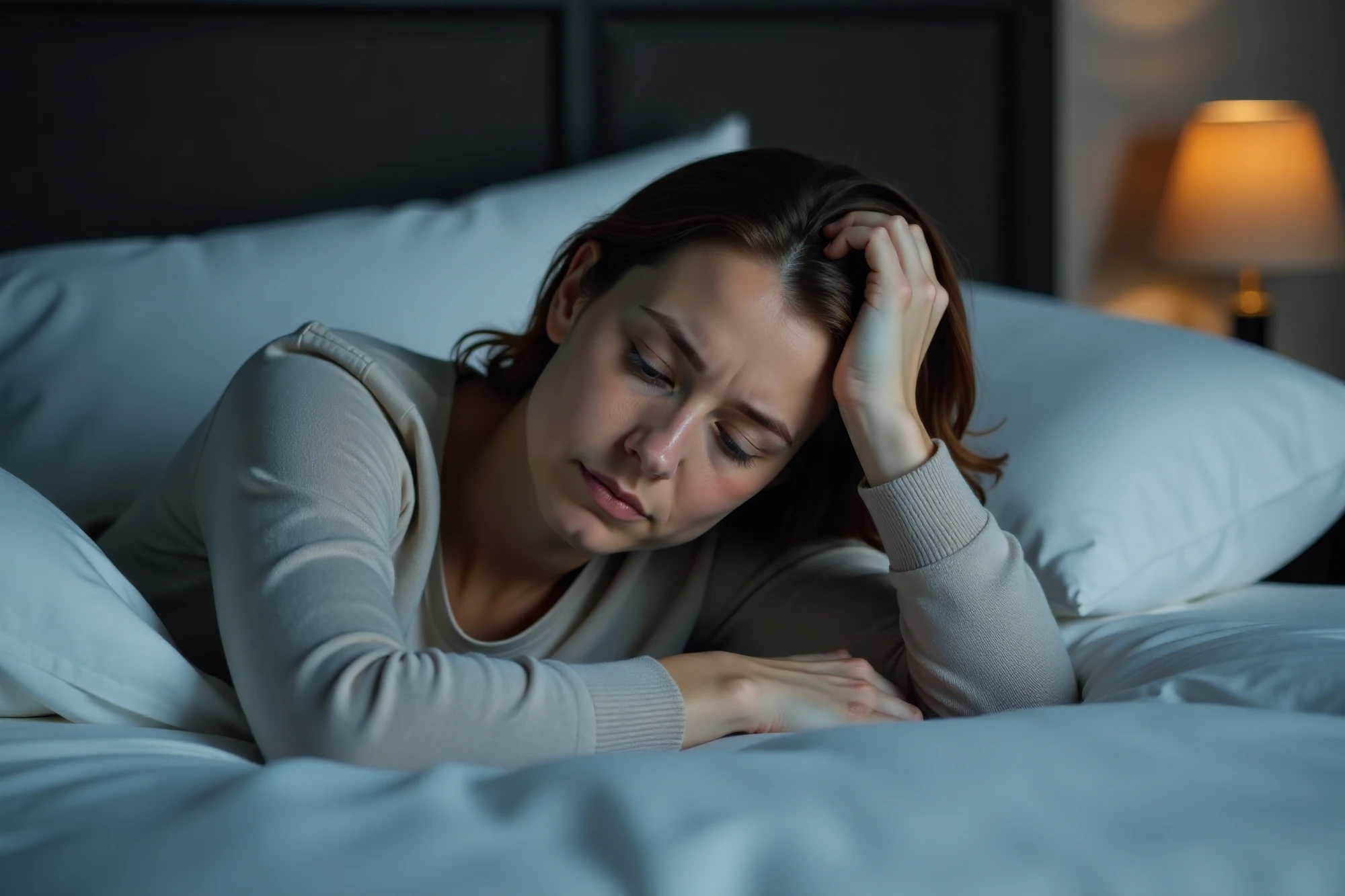
Quick Answer: Common Lunesta side effects include a bitter or metallic taste, headache, dizziness, and next-day grogginess. Less common but serious risks include sleepwalking, sleep-driving, and other complex sleep behaviors, which carry an FDA boxed warning. With regular use, Lunesta can also cause tolerance, dependence, and rebound insomnia when you stop.

Comprehensive Addiction Treatment Designed for Women
What Is Lunesta, and Why Does It Seem “Safer”?
Lunesta is the brand name for eszopiclone, a prescription sleep medication for insomnia. It belongs to a group often called “Z-drugs,” along with zolpidem (Ambien) and zaleplon (Sonata).
Z-drugs were developed as an alternative to benzodiazepines like Xanax, and Lunesta was among the first sleep medications approved without a strict short-term limit. That history gave it a reputation as the “safer” choice. But Lunesta is still a controlled substance with real risks, especially with nightly, long-term use or when it’s mixed with alcohol.
Lunesta Side Effects Most Women Notice
The most common eszopiclone side effects show up within the first few nights:
- A bitter or metallic taste, often lasting into the next day
- Headache
- Next-day drowsiness or grogginess, especially if you didn’t get a full night’s sleep
- Dizziness, which raises the risk of falls if you get up at night
- Dry mouth
Many Lunesta side effects ease as your body adjusts, though the taste often doesn’t. If grogginess lingers into the morning, tell your doctor; a lower dose may help.

The Hidden Risks Most People Don’t Hear About
Complex Sleep Behaviors
Some people walk, drive, cook, make phone calls, or have sex while not fully awake, with no memory of it afterward. These events can happen even after the first dose and have caused serious injuries and deaths, which is why the FDA added a boxed warning. If it happens to you even once, stop taking Lunesta and call your doctor.
Next-morning Impairment
Lunesta can affect driving, memory, and coordination the next day, even when you feel fully awake. For this reason, the FDA lowered the recommended starting dose. Only take it when you can stay in bed for a full 7 to 8 hours.
Memory Gaps
Some people notice missing stretches of the evening or night, particularly if they took Lunesta and stayed up instead of going to bed.
Mood Changes
Sleep medications can worsen depression in some people. Tell your doctor about any new anxiety, agitation, unusual thoughts, or thoughts of self-harm.
Long-Term Side Effects of Lunesta
The long-term side effects of Lunesta often come from one pattern that’s easy to fall into without noticing:
- Sleep improves, and the pill becomes part of your nightly routine.
- Tolerance builds, so the same dose doesn’t work quite as well.
- You take it every night, or reach for a little more on hard nights.
- You try to stop, and rebound insomnia hits: a few nights of sleep worse than before you started.
- You go back to the pill, now convinced you can’t sleep without it.
Along the way, other effects can build up:
- Dependence and withdrawal: Stopping suddenly after regular use can bring anxiety, restlessness, nausea, unusual dreams, and worse sleep. A doctor can help you taper gradually.
- Memory and focus: Ongoing next-day fog can affect concentration, work, and driving.
- Falls: Dizziness and grogginess raise the risk of falls and fractures, especially at night and in older women.
Why Women May Feel the Cost More
Women are more likely than men to struggle with insomnia, and more likely to be prescribed sleep medication. Hormonal shifts around periods, pregnancy, postpartum, and perimenopause can all disrupt sleep. So can the mental load of caregiving and work, and the anxiety, depression, or trauma that so often keeps women awake.
When a sleep pill is the only tool, those underlying causes go untreated, and the pill has to carry more and more of the load.
How Fullbrook Helps Women Break Free From Sleep Medication
At The Fullbrook Center, we see many women whose struggle started with sleep. Sometimes it’s a sleep pill that slowly becomes a nightly habit; often it’s a sleep pill plus wine, or taking extra medication for anxiety. Our prescription drug addiction treatment is designed for exactly that kind of overlap.
Depending on your needs, care can include:
- Medically supervised detox to come off sedatives safely.
- Residential treatment at our home in Fredericksburg, Texas.
- PHP and an intensive outpatient program in Kerrville, Texas, for women balancing treatment with work or family.
- Trauma-informed care that addresses the experiences behind the substance use.
- Treatment for co-occurring mental health conditions like the anxiety and depression that keep so many women awake.
Better Sleep Is Possible Without Leaning on a Pill
Whether you’re concerned about Lunesta side effects, alcohol use for getting to sleep, or another sedative has become the only way you can get through the night, you don’t have to keep going it alone. A confidential call with our women-only admissions team can help you understand your options without pressure or judgment.
FAQs About Lunesta Side Effects
Is Lunesta addictive?
It can be. Lunesta is a controlled substance, and regular use can lead to tolerance and dependence. The risk is higher if you’ve struggled with alcohol or other substances in the past.
Can you drink alcohol while taking Lunesta?
No. Alcohol adds to Lunesta’s sedating effects, can slow breathing, and makes memory gaps and complex sleep behaviors more likely.
Is Lunesta safer than Ambien?
Not necessarily. They’re in the same drug class and carry the same boxed warning about complex sleep behaviors. Lunesta tends to last longer in the body, which can mean more next-morning grogginess for some people. Your doctor can help weigh the options.
How do I stop taking Lunesta safely?
Talk with your doctor before stopping, especially if you’ve taken it nightly. A gradual taper can reduce rebound insomnia and withdrawal. Cognitive behavioral therapy for insomnia (CBT-I) is the recommended first-line treatment for long-term insomnia and can help you sleep without medication.