

Quick Answer: Mirtazapine side effects in elderly women commonly include sleepiness, dizziness, increased appetite, and weight gain. Excessive sedation, confusion, and balance problems deserve particular attention in older adults because they can affect safety and increase the risk of falls.

Comprehensive Addiction Treatment Designed for Women
If your senior mother, partner, or another woman you love seems sleepier, less steady, or more forgetful since starting mirtazapine, it’s reasonable to wonder whether her medication is contributing. Mirtazapine, also known by the brand name Remeron, is prescribed for depression and sometimes used to help with sleep, but certain effects can be harder to manage as we age.
Knowing what to look for can help you support her without taking away her independence. Small changes in everyday routines may be worth discussing with her healthcare provider, particularly if she takes several medications or lives alone.
What Side Effects Can Mirtazapine Cause in Elderly Women?
Every experience is different, and mirtazapine side effects in an elderly woman might differ from another. That said, they can affect physical and cognitive function and tend to be strongest when she first begins treatment. Older adults are often more sensitive to its sedating effects because the body processes medication more slowly with age, especially when kidney function is reduced.
Common mirtazapine side effects in elderly women may include:
- Sleepiness and fatigue: Sleeping longer or feeling unusually tired during the day.
- Dizziness: Feeling lightheaded or unsteady, especially when getting up.
- Increased appetite and weight gain: Feeling hungrier than usual or noticing gradual weight changes.
- Dry mouth and constipation: Discomfort that can affect eating or daily routines.
- Headaches and unusual dreams: Head discomfort or more vivid dreams than usual.
Less commonly, mirtazapine has also been associated with worsening restless legs symptoms, which can make it difficult to settle at night. The evidence for this effect is limited, but it’s worth mentioning if nighttime leg discomfort begins or becomes more noticeable after starting treatment.
Why Does Mirtazapine Make Her So Sleepy?
Mirtazapine has strong sedating effects, which is one reason clinicians sometimes prescribe it off-label for insomnia. A senior woman may sleep more comfortably at night but still feel groggy, unfocused, or unusually tired the next morning.
Research in older adults reflects the same balance. Low doses can improve sleep, but some people stop treatment because the daytime drowsiness or confusion becomes harder to live with than the insomnia was.
If your loved one is sleeping better but seems less alert or engaged, share those observations with her prescriber. How she functions during the day matters as much as how many hours she sleeps.
Can Mirtazapine Make Older Women More Likely to Fall?
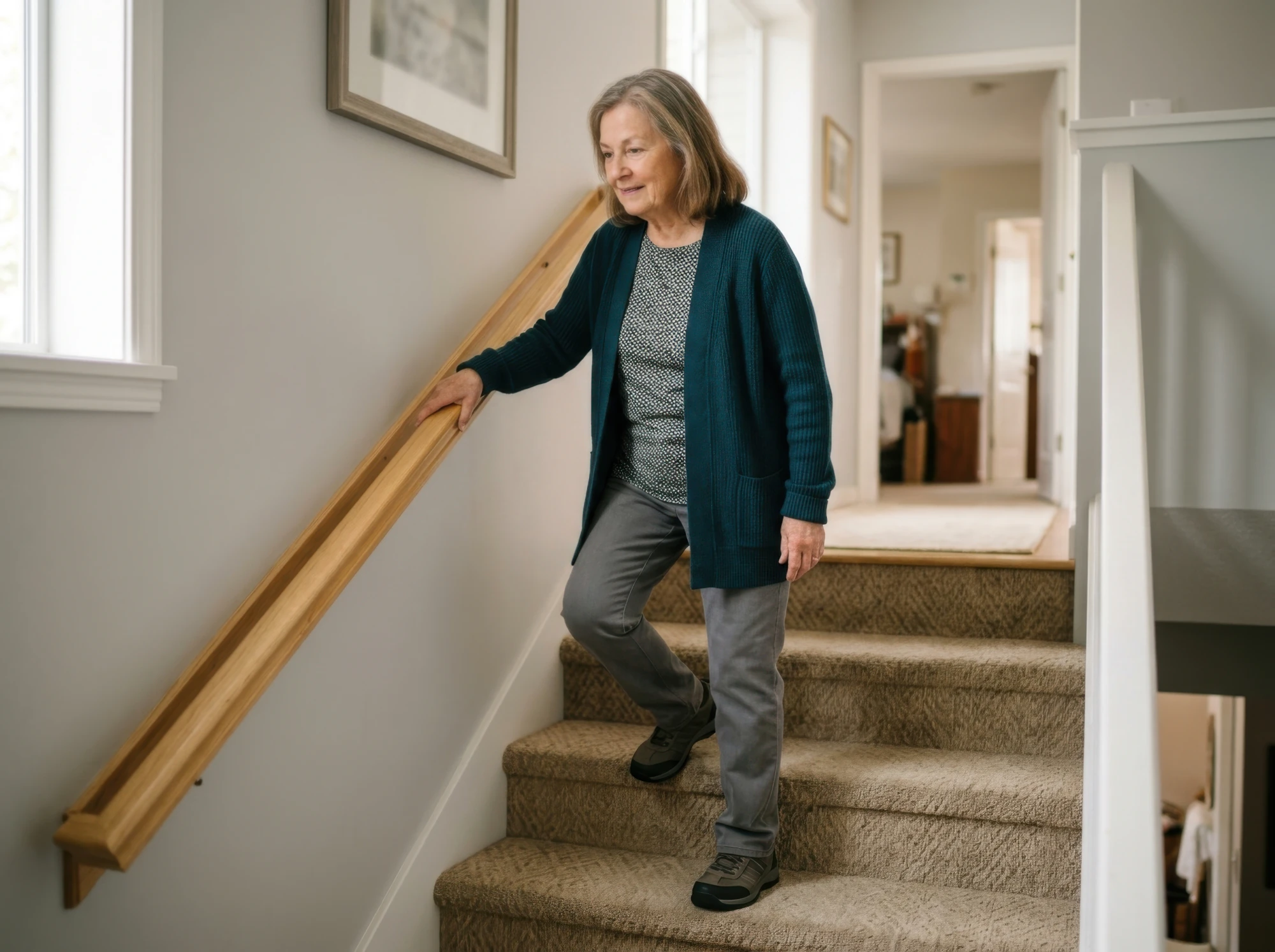
When families ask about mirtazapine and elderly fall risk, the concern usually comes down to how dizziness, drowsiness, or reduced alertness affects her balance. Getting out of bed at night, standing up quickly, or walking to the bathroom may become more difficult, especially for women who already have mobility limitations.
For older women, falls can be particularly serious. Bone density often decreases after menopause, which raises the risk of osteoporosis, and a hip or spinal fracture can affect her ability to stay mobile and independent.
This doesn’t mean mirtazapine will cause someone to fall. The concern is how its effects interact with her existing health, medications, and environment.
You might notice she’s holding onto furniture more often, taking longer to stand, or hesitating on stairs. If she’s comfortable with your involvement, these observations can start a conversation about medication safety and whether additional support at home would help.
Can Mirtazapine Cause Confusion in Elderly Women?
The link between mirtazapine and elderly confusion is often tied to sedation, since a heavily drowsy mind finds it harder to think clearly or stay focused. Family members may notice a loved one losing track of conversations, seeming unusually forgetful, or struggling with familiar routines.
One possible contributor is hyponatremia, or low blood sodium. This can occur during antidepressant treatment and may cause weakness, memory problems, confusion, or unsteadiness. Older adults who take diuretics or are dehydrated may be especially vulnerable.
Reduced kidney function can also slow mirtazapine clearance, potentially increasing its effects. These concerns make a medication review particularly important when an older woman has several health conditions or takes multiple prescriptions.
Still, new confusion shouldn’t automatically be attributed to mirtazapine or aging. Infections, dehydration, strokes, and other medical problems can produce similar symptoms. Sudden confusion or disorientation requires immediate medical evaluation, even if a medication change seems like the likely explanation.
How Does Mirtazapine Affect Appetite and Weight?
Increased appetite and weight gain are recognized effects of mirtazapine. For an older woman who has been eating poorly or losing weight while experiencing depression, feeling hungry again may seem like a welcome change.
However, the effects deserve attention in the context of her overall health. Weight gain may complicate diabetes management, mobility, or joint discomfort, while reduced activity and changes in eating habits can also contribute.
Tracking meaningful changes in weight, eating habits, and daily energy can help her healthcare team assess whether the medication’s benefits outweigh its side effects.
What Should You Avoid Mixing With Mirtazapine?
Alcohol can intensify mirtazapine’s effects on alertness, thinking, and coordination, making an older woman more vulnerable to dizziness and falls. Even if drinking has been part of her usual routine for years, combining alcohol with this medication can create additional safety concerns.
That’s why avoiding alcohol is generally recommended while taking mirtazapine. If you’ve noticed that your mother or another loved one is drinking more often, it may also help to understand the signs of alcoholism in women, particularly when drinking has become tied to sleep, anxiety, or emotional distress.
Other medications deserve attention as well. Sleeping pills, benzodiazepines, and sedating pain medications can add to drowsiness or impaired coordination, as can diuretics, which are covered in the confusion section above.
A medication review with her doctor or pharmacist can help identify potential problems. Bringing a complete list of prescription medications, supplements, and over-the-counter products is especially useful when several providers are involved in her care.

When Should Families Seek Medical Help for Mirtazapine Side Effects?
Changes that affect an older woman’s safety, awareness, or ability to manage daily activities warrant medical attention. Some mirtazapine side effects in elderly women can be addressed through a prompt medication review, while others may signal an urgent medical problem.
Warning signs to take seriously include:
- Sudden confusion or disorientation: A noticeable change in awareness or behavior that requires emergency evaluation.
- Extreme drowsiness: Difficulty waking her normally or keeping her awake.
- A serious fall: Particularly one involving a head injury, significant pain, or difficulty moving.
- Severe headache, weakness, or seizures: Possible signs of dangerously low sodium or another medical emergency.
- Fever or persistent sore throat: Symptoms that may rarely indicate a serious blood-cell problem and require prompt assessment.
- New suicidal thoughts or major behavioral changes: Signs that require immediate clinical support, with emergency care if there’s an immediate risk of harm.
If your loved one is experiencing suicidal thoughts, contact a healthcare professional immediately. In the United States, you can call or text 988 for crisis support. Call 911 for immediate danger or a medical emergency.
Persistent sleepiness, dizziness, appetite changes, or other symptoms affecting her independence also deserve a conversation with her prescriber. When possible, include her in that discussion so her experience and preferences stay central to treatment decisions.
When Mirtazapine and Alcohol Become Part of the Same Struggle
Sometimes the harder question isn’t the medication itself. If an older woman has been leaning on alcohol to ease loneliness, anxiety, or sleepless nights, the drowsiness, confusion, and unsteadiness that families notice may come from both at once. Our guide on how to talk to your mom about addiction and rehab can help you begin that conversation with patience and respect.
At The Fullbrook Center, we provide women-only, trauma-informed care for co-occurring mental health and substance use conditions. Whether we’re the right fit depends on her medical needs and daily functioning, and our admissions team can help you explore that together. When mirtazapine side effects in elderly women overlap with drinking, you don’t have to sort it out alone.
FAQs About Mirtazapine Side Effects in Elderly Women
Is 7.5 mg of mirtazapine safer than 15 mg for older women?
Not necessarily. Lower doses of mirtazapine can actually feel more sedating for some people than higher ones, so even 7.5 mg can cause significant sleepiness or dizziness in older adults. The right dose depends on the condition being treated, kidney function, other medications, and individual response, so follow your prescriber’s guidance when changing the dose.
How long do mirtazapine side effects last?
Some side effects, such as headaches or initial dizziness, may improve within a couple of weeks. Sleepiness, increased appetite, and weight changes can persist longer. If side effects continue affecting her alertness or daily activities, her prescriber should review the treatment.
Can a woman with dementia take mirtazapine?
Sometimes, depending on the condition being treated and her overall health. However, the SYMBAD clinical trial found no benefit for treating agitation associated with dementia and observed more deaths in the mirtazapine group. The study did not establish that the medication caused those deaths, but the finding warrants caution and individualized medical review.
Can mirtazapine increase cholesterol or triglycerides?
Yes. Increased cholesterol and triglycerides have been reported during mirtazapine treatment. Her clinician may recommend monitoring these levels, particularly if she has diabetes, cardiovascular concerns, or a history of elevated cholesterol.
What happens if an older woman stops taking mirtazapine suddenly?
Stopping mirtazapine abruptly can cause dizziness, nausea, anxiety, unusual dreams, or sleep disturbances. If the medication needs to be discontinued, her prescriber can recommend a gradual reduction based on her treatment history and health needs.