
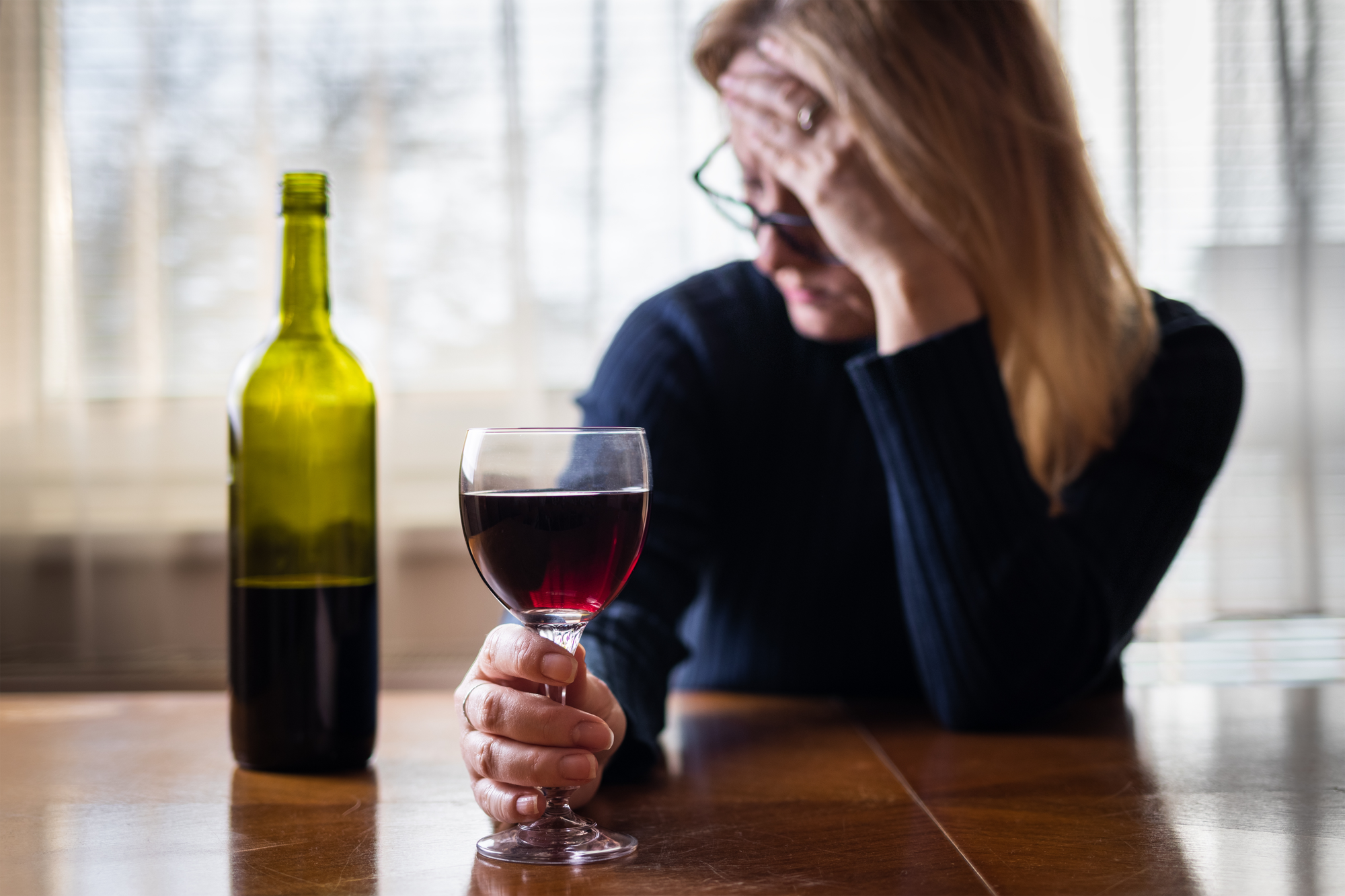
Quick Answer: An alcoholic mom is a mother whose drinking has become difficult to control or continues despite harm to her parenting, health, emotions, relationships, or safety. The clinical term is alcohol use disorder, which ranges from mild to severe and is shaped in mothers by stress, shame, and trauma rather than weakness. Signs may include drinking more than planned, hiding alcohol, needing it to cope, withdrawal symptoms, or repeated failed attempts to cut back. Help can begin before drinking harms a child or a mother’s health.

Comprehensive Addiction Treatment Designed for Women
Many mothers keep their drinking hidden because the shame feels unbearable. They may still love their children deeply and show up for school, work, meals, appointments, and daily responsibilities while privately feeling trapped by alcohol.
The Fullbrook Center takes a compassionate approach to clinical care for struggling mothers. A mom’s drinking problem is often connected to stress, trauma, anxiety, depression, exhaustion, or emotional pain that has been carried for too long.
What Does “Alcoholic Mom” Really Mean?
The phrase “alcoholic mom” is often used when a mother is scared that drinking has crossed a line. It may mean alcohol has become harder to control, easier to hide, or more tied to relief than she wants it to be.
Clinically, many professionals use the term alcohol use disorder. Alcohol use disorder describes a pattern of drinking that causes distress or harm and becomes difficult to stop or manage.
This condition exists on a spectrum. Some mothers still care for their children, go to work, manage the household, and appear steady from the outside while privately feeling dependent on alcohol. Others may already be seeing serious consequences in their health, safety, relationships, or parenting.
What Are the Signs of an Alcoholic Mother Who Still Seems Functional?
The signs of an alcoholic mother can be subtle, especially when a woman is still holding daily life together. Many mothers minimize drinking because they are still meeting responsibilities, but functioning does not erase harm.
A mother may pack lunches, answer emails, attend appointments, and keep the home moving while privately relying on alcohol to calm down, fall asleep, soften resentment, or get through another evening.
Signs of an alcoholic mother may include:
- Drinking more than planned: You intend to have one drink, then keep going.
- Hiding alcohol use: You drink secretly, refill glasses quietly, or downplay how much you had.
- Feeling guilt after drinking: You wake up worried about what you said, did, or forgot.
- Trying to cut back without success: You make rules for yourself, then feel defeated when they do not last.
- Needing alcohol to feel settled: You feel restless, irritable, or emotionally raw when you cannot drink.
- Continuing despite harm: Alcohol keeps affecting your health, mood, relationships, parenting, or safety.
Women can also experience alcohol-related harm at lower levels of drinking than men. That can make socially accepted drinking patterns risky, especially when alcohol has become a regular coping tool.
How Can Shame Keep Mothers From Getting Help?
Shame can make a mother believe she has to hide her drinking until things become impossible to ignore. It can tell her that needing help makes her unsafe, selfish, weak, or unworthy of trust.
Those messages are especially heavy for mothers. Many women already feel pressure to be patient, organized, nurturing, emotionally available, and strong all at once.
Shame often sounds like a quiet running commentary: that good moms do not struggle with this, that asking for help proves she is a bad mother, that she should be able to stop simply because she loves her kids, that no one can know how bad it has gotten, or that she has already caused too much damage.
These thoughts can keep a woman isolated, but they are not the full truth. Alcohol use disorder is treatable, and many mothers begin recovery while also rebuilding safety, trust, and connection with their children over time.
How Does a Mother’s Drinking Affect Her Children?
An alcoholic parent can affect children emotionally, physically, and developmentally, especially when alcohol makes home life feel unpredictable. The effects of a drinking mother are real, but they are not a life sentence, and they often ease with support from a mother.
Some children become watchful. Others become withdrawn, caretaking, angry, anxious, or unusually independent because they are trying to adapt to stress they do not fully understand.
Possible effects can include:
- Emotional anxiety: Children may worry about a parent’s mood, safety, or availability.
- Role reversal: Some children take on adult responsibilities before they are ready.
- Behavior changes: Stress at home may show up as anger, withdrawal, school struggles, or people pleasing.
- Confusion about alcohol: Drinking may begin to look like a normal way to manage stress.
- Future risk: Children of a parent with alcohol use disorder can face a higher risk for mental health concerns and later substance use.
The effects of a parent’s drinking are not fixed. When a mother gets help, becomes more consistent, and receives support for the pain beneath the alcohol use, repair can begin.
How Does Wine Mom Culture Make a Mom Drinking Problem Harder to Notice?
Wine mom culture can make a mom drinking problem harder to identify because in this environment, consuming alcohol feels like a harmless reward for surviving motherhood. A glass after bedtime, jokes about needing wine to parent, or social media posts about “mommy juice” can make drinking for relief seem normal.
For some women, that messaging stays occasional. For others, it can blur the line between relaxation and reliance.
Alcohol may begin as a small ritual, then slowly become the thing you wait for most. You may notice that the drink matters less than the quiet, distance, or emotional relief it promises.
When Should Alcohol Withdrawal Symptoms Be Taken Seriously?
Alcohol withdrawal symptoms should always be taken seriously, especially after heavy or daily drinking, because stopping suddenly can become medically dangerous. Shaking, sweating, anxiety, sleep problems, a racing heart, and in serious cases, confusion, hallucinations, or seizures can all signal that the body needs medical support to stop safely. You can read a fuller breakdown in our guide on whether you may be an alcoholic.
If you are worried about withdrawal, speak with a medical professional before trying to stop on your own. The Fullbrook Center’s detox program helps women begin recovery with monitoring, stabilization, and compassionate support.

How Can Treatment Help a Mother Break the Cycle?
Treatment can help a mother step out of survival mode and begin changing the patterns that alcohol has created in her life, her body, and her family. This process is not about being perfect. It is about becoming safer, steadier, and more supported.
Alcohol use can be linked to family history for some mothers. Genetics can increase the risk of alcohol use disorder, and children may also learn from the emotional patterns they see at home.
Breaking the cycle can include learning how to manage stress without alcohol, addressing trauma, repairing trust, building relapse prevention skills, and practicing new ways of being present with children.
What Can You Do if You Think You Are an Alcoholic Mom?
If you are displaying the signs of an alcoholic mother, or think you have a problem, begin by telling the truth to yourself with as much compassion as you can. You do not have to solve everything in one moment, but you can name what alcohol is doing in your life.
You might ask yourself when you drink, what you feel before drinking, what happens afterward, and what your children may be experiencing when alcohol is part of the day or evening.
A few grounding questions may help:
- Do I feel anxious when I cannot drink?
- Have I tried to stop and felt unable to follow through?
- Have my children seen me intoxicated, unavailable, angry, unsafe, or emotionally distant because of alcohol?
- Would I be scared or embarrassed if someone knew the full truth about my drinking?
- Is alcohol affecting the kind of mother I want to be?
If these questions feel familiar, support may help you move from fear into a safer plan. Treatment can help you understand whether detox, residential care, IOP, PHP, therapy, or another level of care may fit your needs.
What Support Does Fullbrook Offer Mothers With Alcohol Use Disorder?
The Fullbrook Center helps women heal from substance abuse, alcohol use disorder, trauma, and co-occurring mental health concerns in a safe, women-only environment. For mothers, this kind of care offers space to stabilize, understand the deeper roots of alcohol use, and begin rebuilding life with support.
Treatment is tailored to each woman’s needs. Depending on her situation, care may begin with medically supported detox or residential treatment, then progress to a partial hospitalization program or intensive outpatient program as recovery continues. Throughout every stage, women receive trauma-informed care and support for co-occurring mental health conditions such as anxiety, depression, or PTSD.
The Fullbrook Center provides thoughtful care that is built around dignity, privacy, and emotional safety. If alcohol has started to affect your parenting, your health, or your sense of who you are, a private conversation can help you understand what support may look like.
FAQs About Alcoholic Moms and Getting Help
Am I an alcoholic mom if I drink every night?
Drinking every night does not automatically mean you have alcohol use disorder, but it can be a warning sign if alcohol feels hard to skip, affects your parenting, causes guilt, or leads to withdrawal symptoms when you stop. The pattern matters more than one label.
How do I talk to my kids about my drinking and recovery?
Honest, age-appropriate conversations work best. Younger children need simple reassurance that they are safe and loved and that you are getting help, while older children may need space to share how your drinking affected them. A family therapist can guide these talks so they rebuild trust rather than add guilt.
How can I help an alcoholic parent?
If you are worried about an alcoholic parent, try to speak from concern rather than blame, choose a calm moment, and encourage professional support. If there is immediate danger, medical risk, violence, neglect, or unsafe caregiving, outside help may be needed quickly.
Can drinking run in families?
Yes, genetics accounts for a large share of the risk for alcohol use disorder, and children who grow up around heavy drinking may learn to see it as a normal way to cope. Many mothers seek treatment specifically to break that cycle, so their children grow up with healthier patterns and more stability.
Can a mom recover from alcohol use disorder?
Yes. Mothers can recover from alcohol use disorder with treatment, support, accountability, and care for underlying trauma or mental health concerns. Recovery can also help mothers rebuild trust and become more emotionally present with their children.